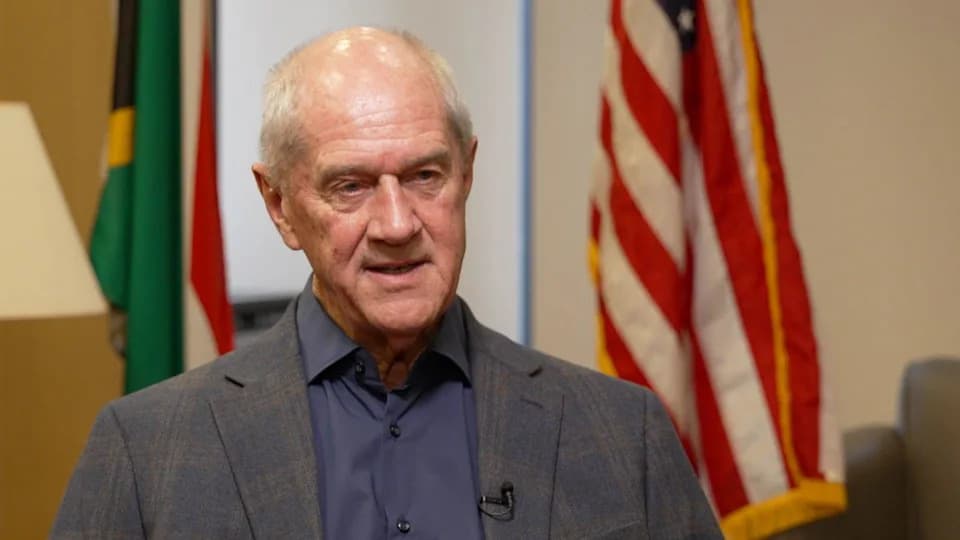
Roelf Meyer, South Africa’s new ambassador to the US and a born Afrikaner, has dismissed claims that white Afrikaners are suffering a genocide, calling the allegation a distortion of facts. While nearly 13,000 people have been resettled to the US under a Trump-era refugee pathway, South African politicians and many experts say farm attacks and crime do not amount to state-led persecution. Meyer urges Washington to revoke the executive order enabling the refugee route and to collaborate on practical measures to tackle crime across South Africa.
South African Ambassador Rejects 'White Genocide' Claims and Urges US-South Africa Cooperation on Crime
[BBC]
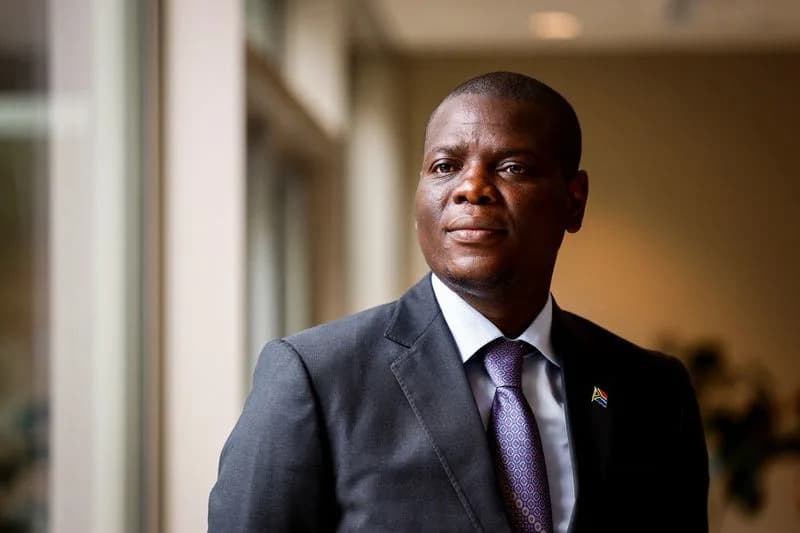
Roelf Meyer, South Africa’s newly appointed ambassador to the United States and a born Afrikaner, has strongly rejected claims that white Afrikaners are the targets of an organised genocide. Speaking to the BBC, Meyer said the allegation is a misrepresentation of the facts and stressed his background gives him the credibility to speak directly on the issue.
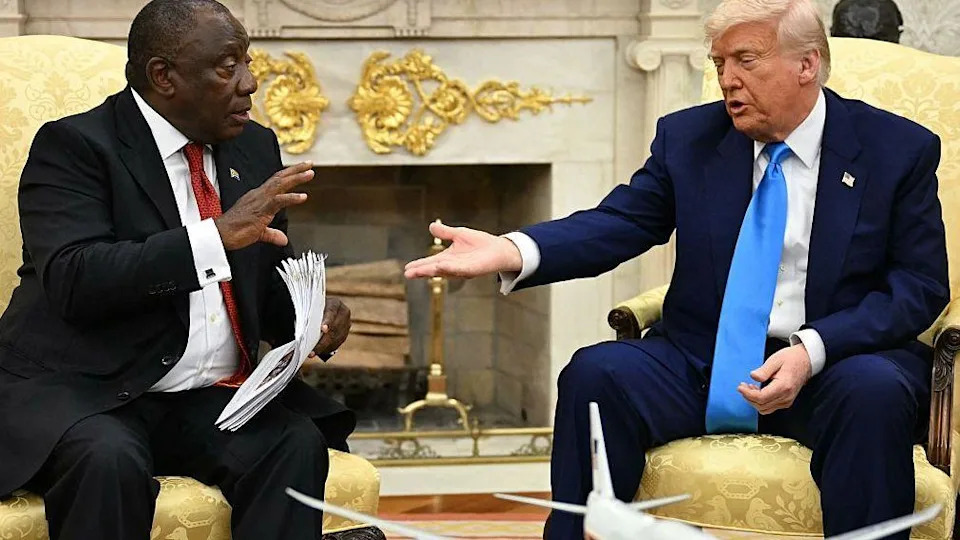
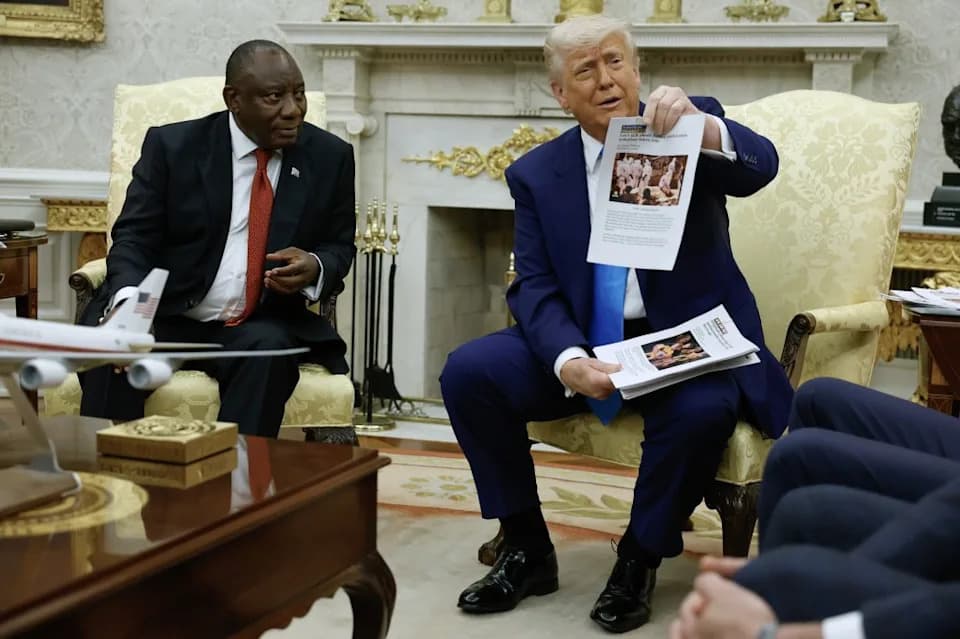
Donald Trump confronted South African counterpart Cyril Ramaphosa over widely discredited claims that genocide was being committed against white people [AFP via Getty Images]
Context and Controversy
Last year, former US President Donald Trump raised the allegation during a meeting with South African President Cyril Ramaphosa and subsequently set up a US refugee pathway aimed largely at Afrikaners. Since the programme began, nearly 13,000 people have been resettled to the US under this route, and a notice to Congress indicated the US planned to allow up to 17,500 more Afrikaners to enter as refugees over the following year.
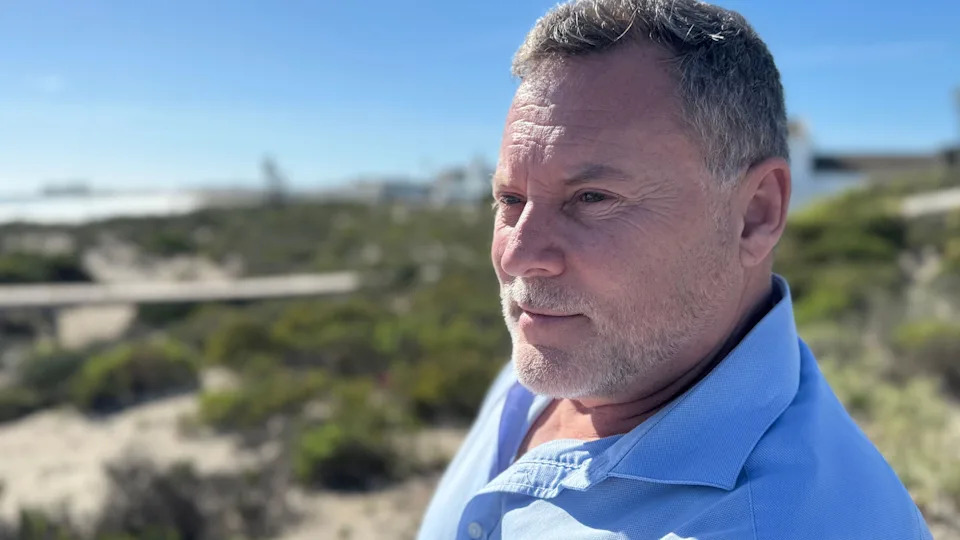
SJ Du Venage, who lives on South Africa's west coast, alleges there's a "political drive towards killing white people" [BBC]
On-the-Ground Reality
Meyer — who helped negotiate the end of apartheid in the 1990s — said that while crime, including violent incidents on some farms, is a real problem in South Africa, it does not amount to a systematic campaign of persecution against white people. He noted police data showing the majority of crime victims in South Africa are black and emphasised that farm violence, though serious, represents a small portion of the country’s total homicides.
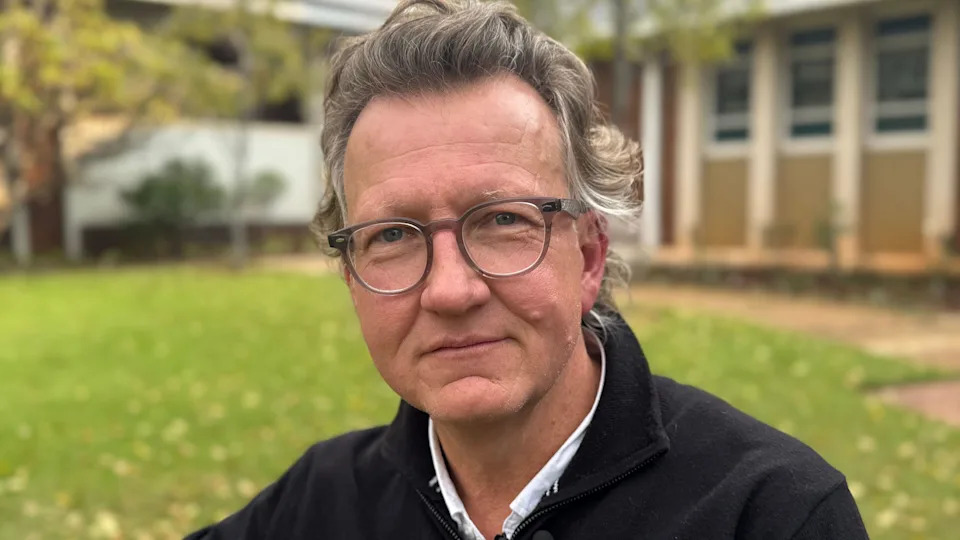
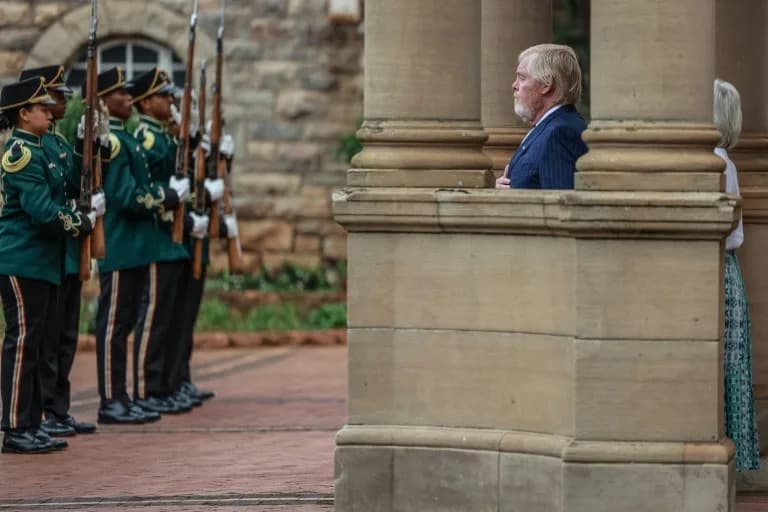
Rudi Swanepoel says it is not persecution but a "loss of privilege" that is causing some Afrikaners to feel aggrieved [BBC]
"It's a problem all around. It's not rural. It's not farm attacks only," Meyer said, urging international partners to focus on helping South Africa reduce crime across the board.
Responses, Concerns and Criticism
Some Afrikaners who accepted the US offer describe feeling threatened and say the move has improved their sense of safety. At the same time, political parties across South Africa — including voices representing Afrikaners — have rejected the genocide claims. Critics of the US programme, including some Afrikaner commentators, argue the policy risks diverting scarce refugee resources from people who meet the legal definition of refugee, such as those fleeing war or ethnic cleansing.
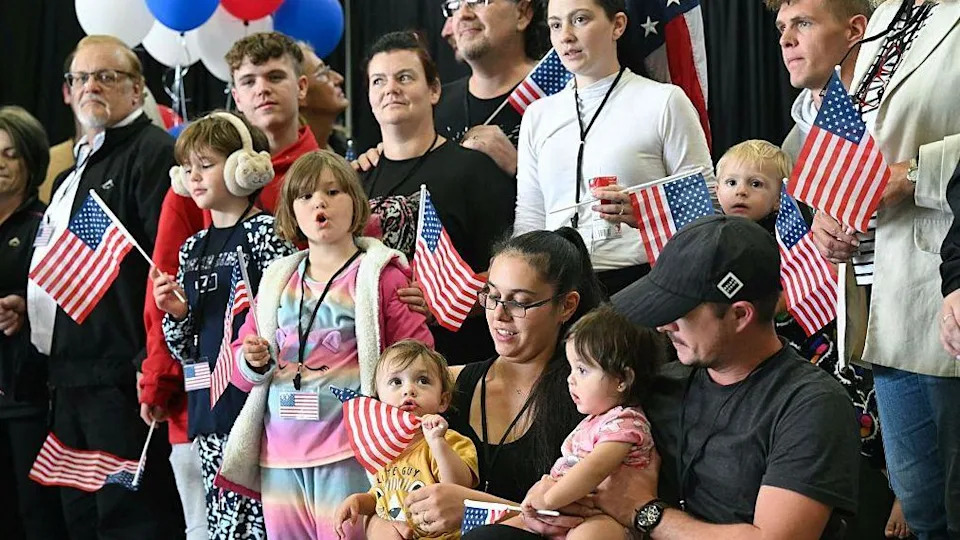
The first group of Afrikaners from South Africa arrived for resettlement last year [Getty Images]
Larry Bartlett, former director of the US Refugee Assistance Programme, warned that using refugee resettlement for groups who do not meet legal refugee criteria could be unlawful and would take opportunities from more vulnerable populations. Johannesburg pastor Rudi Swanepoel told the BBC that much of the Afrikaner grievance stems from a perceived "loss of privilege" since the end of apartheid, rather than targeted state persecution.
What Meyer Wants
Meyer asked the US to revoke the executive order that underpins the refugee pathway and instead to partner with South Africa on practical crime-fighting measures, such as improving policing resources and response times. He also urged Afrikaners protesting abroad to combine international advocacy with concrete efforts inside South Africa to address safety concerns.
Bottom line: The ambassador calls for sober, evidence-based diplomacy and cooperation to reduce crime, rather than escalating international political gestures based on disputed claims.
Help us improve.