Chromeornis funkyi, a newly named sparrow-sized fossil bird from China, was found with more than 800 small stones packed into its throat. CT scans and microscopic study show the pebbles were swallowed in life but differ from typical gizzard grit, suggesting abnormal behavior or illness. Researchers propose the bird choked after a failed regurgitation attempt. The specimen, an enantiornithine, sheds light on early bird biology and on why some ancient bird groups later went extinct.
Tiny Sparrow-Sized Dinosaur Found With 800+ Stones in Its Throat — Named After Funk Duo Chromeo
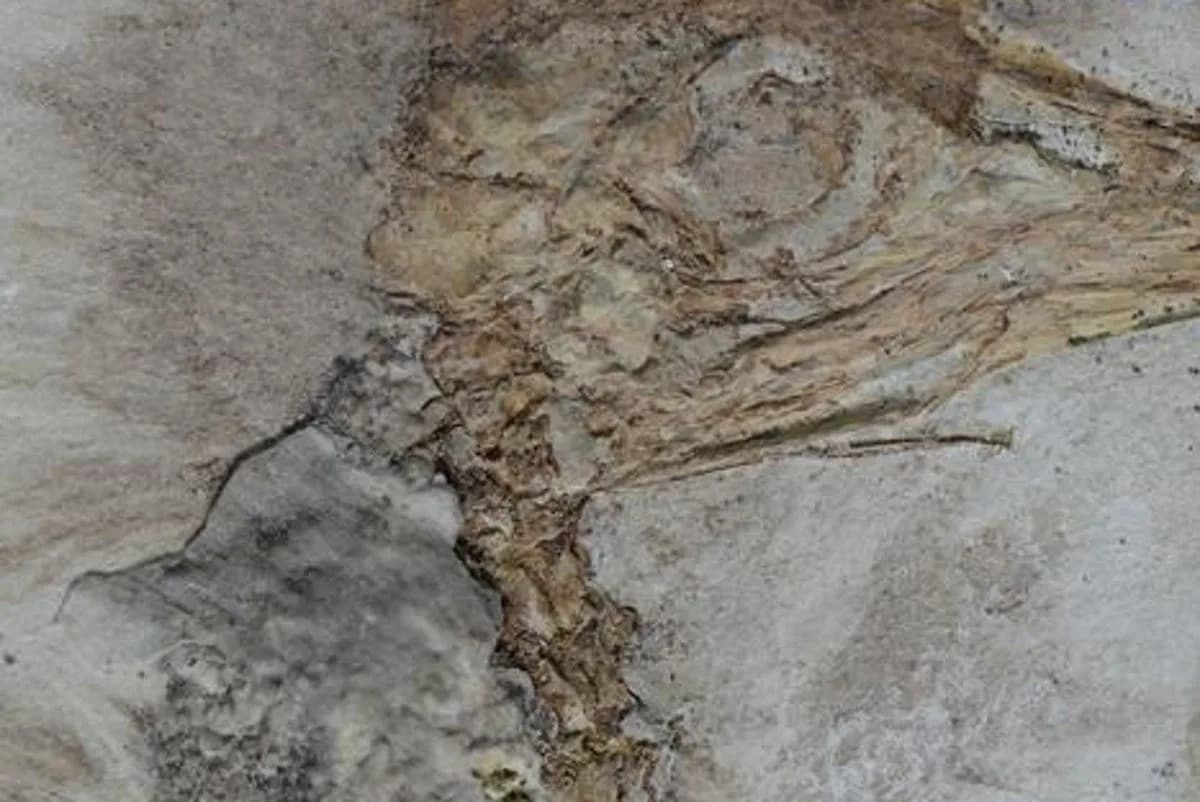
Strange dinosaur species found with hundreds of stones in its throat named after funk band
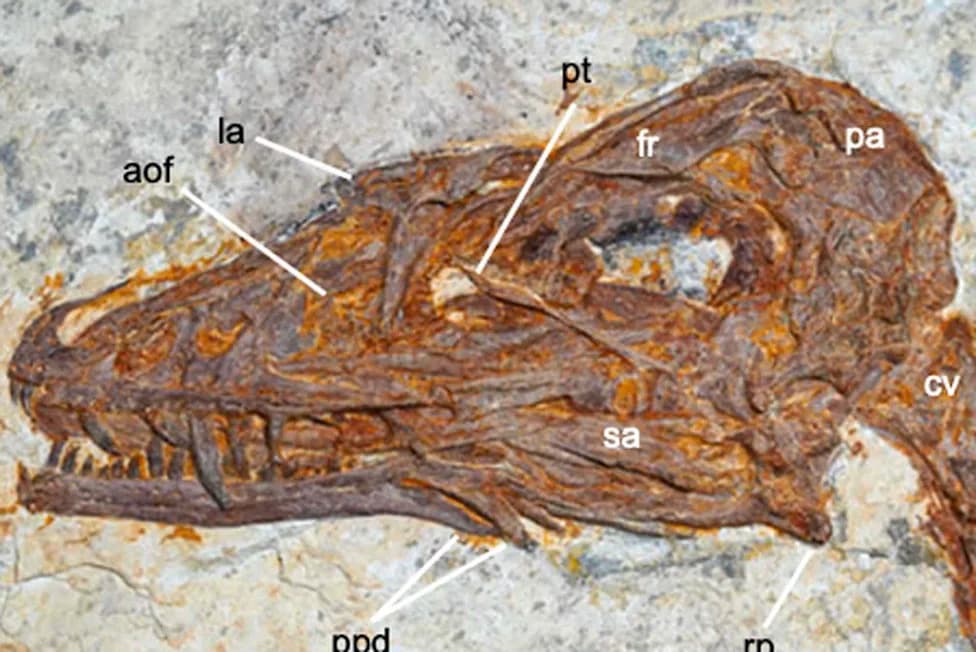
Scientists have identified a tiny, sparrow-sized fossil bird-dinosaur that was preserved with more than 800 small stones lodged in its throat. The new species, Chromeornis funkyi, was named in homage to the techno-funk duo Chromeo and is helping researchers probe how some ancient bird lineages lived — and why some later died out.
Unexpected Find in a Chinese Museum
The specimen is housed at the Shandong Tianyu Museum of Nature in China and was described in a paper published in Palaeontologica Electronica. Paleontologist Jingmai O’Connor, a study co-author, says the fossil "jumped out" during a visit to the collection because of its unusual throat contents.
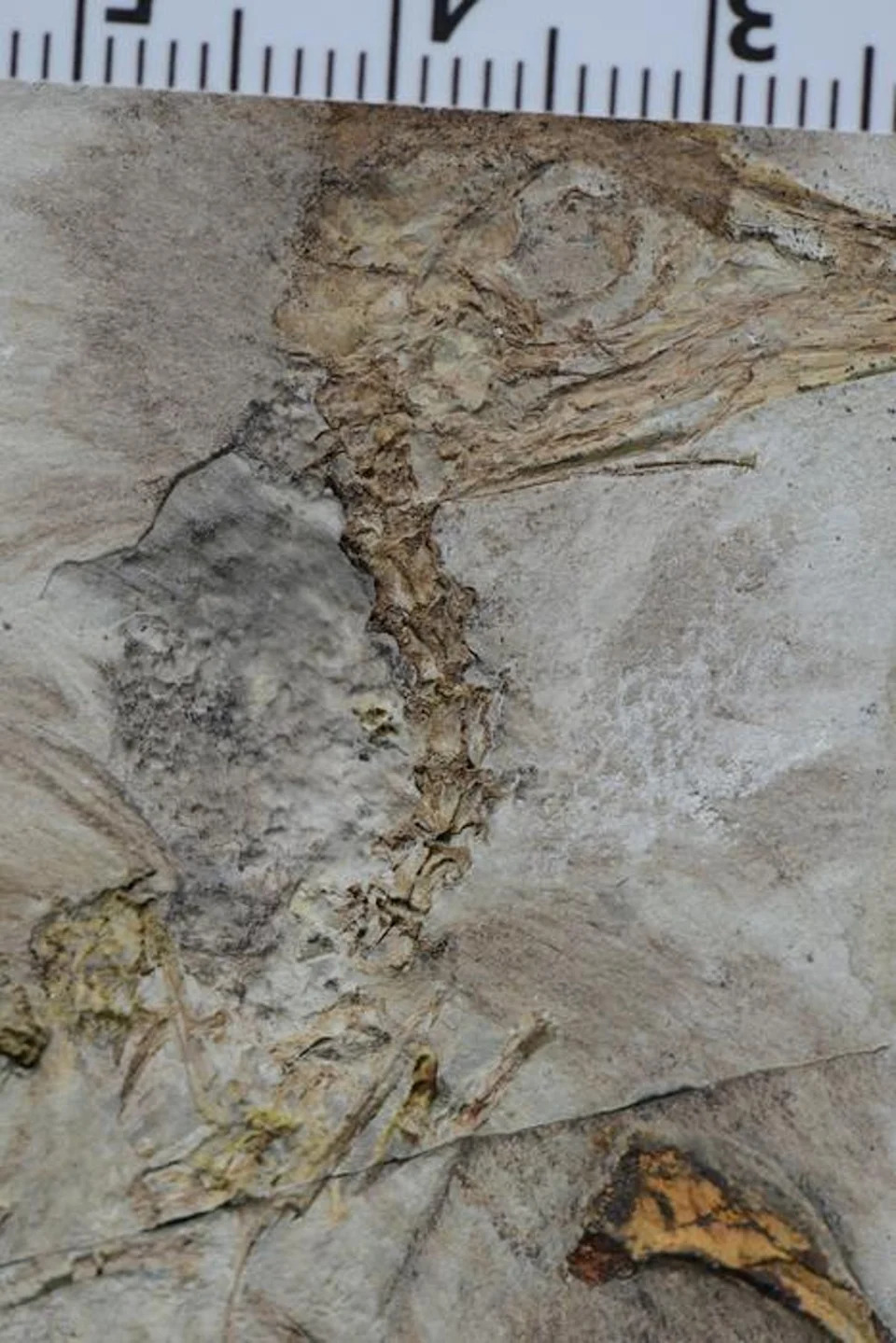
Mass of rocks in the throat of Chromeornis (Jingmai O'Connor)
What the Stones Tell Us
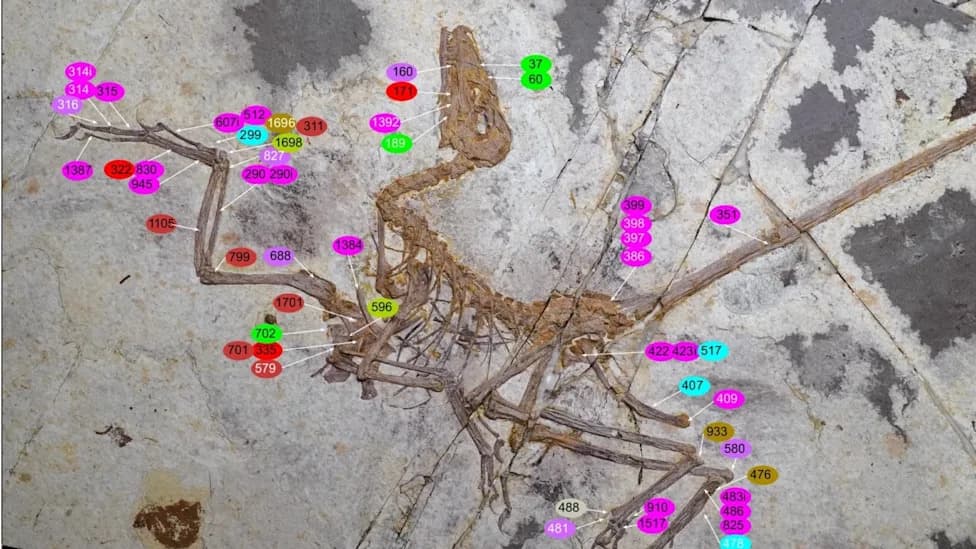
High-resolution microscopy and computed tomography (CT) scans revealed that the throat area contained more than 800 tiny pebbles, some resembling clay balls rather than typical grit. These pebbles were clearly ingested during the animal's life rather than deposited around the skeleton after death.
“I noticed that it had this really weird mass of stones in its oesophagus, right up against the neck bones,” Dr. O’Connor said. “This is really weird, because in all of the fossils that I know of, no one has ever found a mass of stones inside the throat of an animal.”
While many modern birds swallow grit that accumulates in a muscular stomach called a gizzard to help grind food, the material in Chromeornis funkyi does not match typical gizzard stones. The researchers therefore conclude the stones probably had a different origin or purpose.

Chromeo member P-Thugg, paleontologist Jingmai O’Connor, and Chromeo member Dave 1, posing with a picture of Chromeornis funkyi (Jason Peterson)
Likely Cause Of Death
The team suggests the bird may have been sick or behaving abnormally when it ingested the pebbles. Their working hypothesis is that it swallowed an excessive number of small objects, attempted to regurgitate them in a single mass, and that mass became lodged in the oesophagus, causing fatal choking.
“It swallowed too many, and it tried to regurgitate them in one big mass. But the mass of stones was too big, and it got lodged in the oesophagus,” Dr. O’Connor said.
Broader Significance
Chromeornis funkyi belongs to the enantiornithines, a diverse and widespread group of Cretaceous birds. Enantiornithines were among the most successful avian lineages before the end-Cretaceous mass extinction but disappeared from the fossil record after the asteroid impact around 66 million years ago. Studying unusual specimens like this one helps scientists understand both the life histories and vulnerabilities of extinct bird groups and may offer context for why some lineages survive mass environmental change while others do not.
Future work: Researchers plan further chemical and microscopic analysis of the stones and surrounding tissues to refine their interpretation and to search museum collections for similar cases that might offer comparative data.
Help us improve.