
Sen. Lindsey Graham told Fox News on March 8 that the fall of Iran’s regime would create a "new Mideast" and yield significant economic benefits for the United States, linking potential action to global oil reserves. He warned of intensified military pressure and vowed to secure the Strait of Hormuz. Iran’s Foreign Ministry accused the U.S. of seeking to seize its oil resources. Reports about internal leadership changes in Iran remained unverified at the time.
Lindsey Graham: ‘We’ll Make a Ton of Money’ If Iran’s Regime Falls — Tehran Condemns U.S. Motives
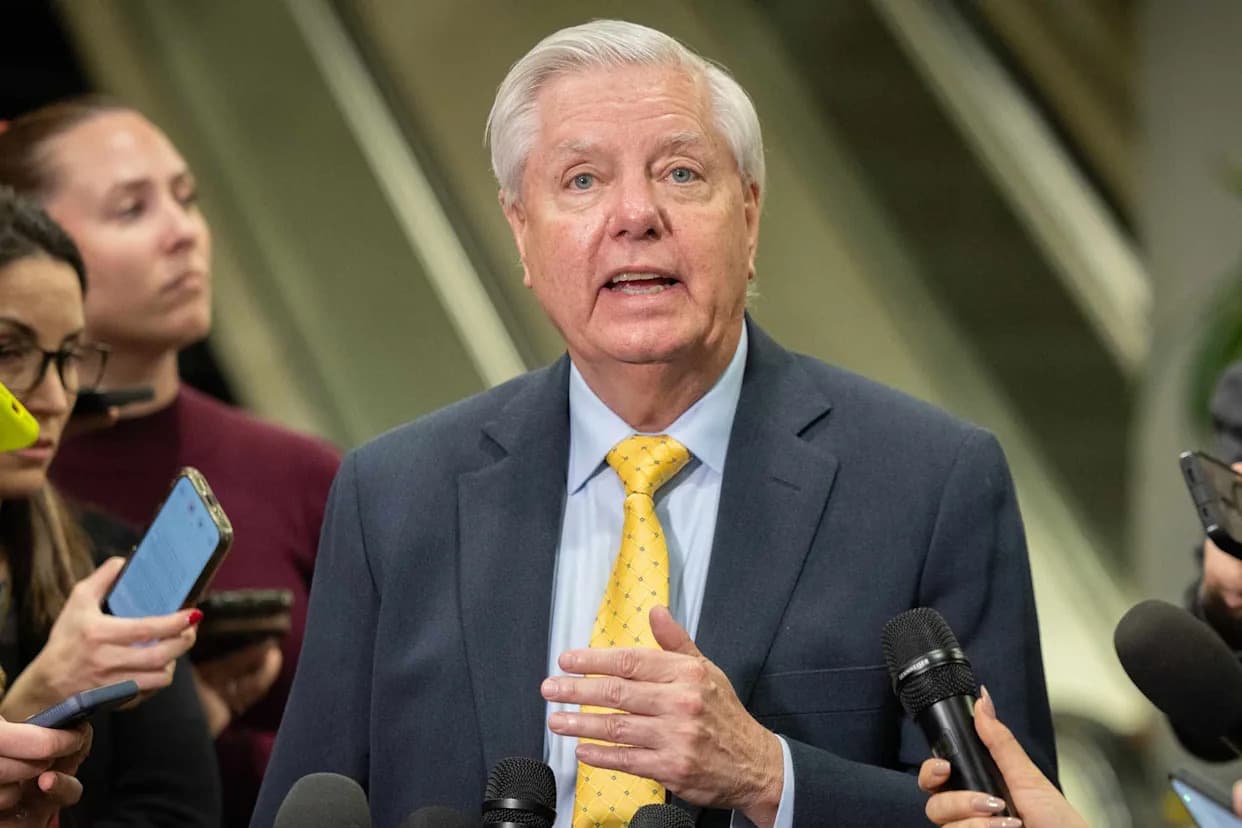
Credit: Nathan Posner/Anadolu via Getty
Republican Sen. Lindsey Graham told Fox News on March 8 that the collapse of Iran’s government would reshape the Middle East and create substantial economic opportunities for the United States. His remarks, which linked potential military action to access to oil resources, drew swift condemnation from Iranian officials.
Graham, a hawkish senator from South Carolina, said the fall of Tehran’s leadership would produce a "new Mideast" and predicted financial benefits for the U.S. He framed those remarks in the context of global energy supplies and geopolitical competition.
“When this regime goes down, we are going to have a new Mideast, and we are going to make a ton of money,” Graham said on Fox News.
He also referenced Venezuela and Iran together when discussing global oil reserves, saying that the two countries account for roughly 31% of the world’s known reserves. Graham suggested that closer U.S. ties or influence over those resources would be strategically and economically significant.
“Venezuela and Iran have 31% of the world’s oil reserves. We’re going to have a partnership with 31% of the known reserves. This is China’s nightmare. This is a good investment,” he said.
The senator further warned that military pressure could intensify. “We’re going to blow the hell out of these people,” Graham said, adding that he expected the United States to secure freedom of navigation in the Strait of Hormuz.
“Nobody will threaten [the U.S.] in the Strait of Hormuz again,” he added.
Iran’s Foreign Ministry responded angrily to the comments. Spokesman Esmaeil Baghaei accused Washington of seeking to seize Iran’s oil resources and of undermining Iranian sovereignty.
“Their design is clear, their enterprise is quite obvious — they aim at partitioning our country to take illegal possession of our oil riches,” Baghaei said, adding that the objective was to violate Iran’s sovereignty and harm its people.
Separately, some reports mentioned internal succession discussions in Iran and referenced Mojtaba Khamenei, son of Supreme Leader Ayatollah Ali Khamenei. Claims about immediate leadership changes were not independently verified at the time of reporting; U.S. figures, including former President Donald Trump in an earlier interview, have offered dismissive comments about potential successors. These developments remain fluid and disputed in international coverage.
Context: Graham’s comments come amid heightened tensions over Iran’s nuclear program, regional security in the Middle East, and global energy markets. Political rhetoric linking military objectives to economic gains is likely to fuel debate in Washington and Tehran and could have diplomatic and market repercussions.
Help us improve.





















