Yale SOM and SEAS are strengthening collaborations to produce graduates who both build and manage technology-driven ventures. New programs include a selective MBA/MS (launched Fall 2024) and a one-year Master’s in Technology Management (launched 2023), plus cross-listed courses in AI and software engineering. Yale committed $150 million to AI initiatives and invested in shared computing infrastructure. Entrepreneurship hubs like Tsai CITY and funds such as the Roberts Innovation Fund help teams commercialize lab research; students like Austin Zheng are already leveraging these resources to build startups such as Artopath.
Yale SOM Strengthens Engineering Partnership to Train Tech-Savvy Business Leaders
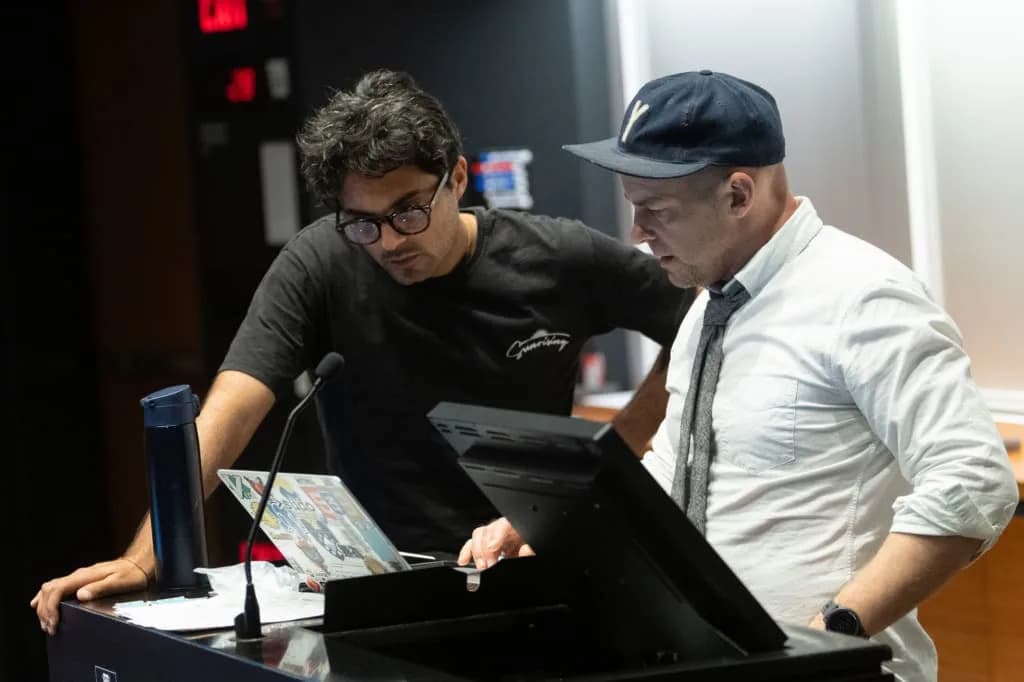
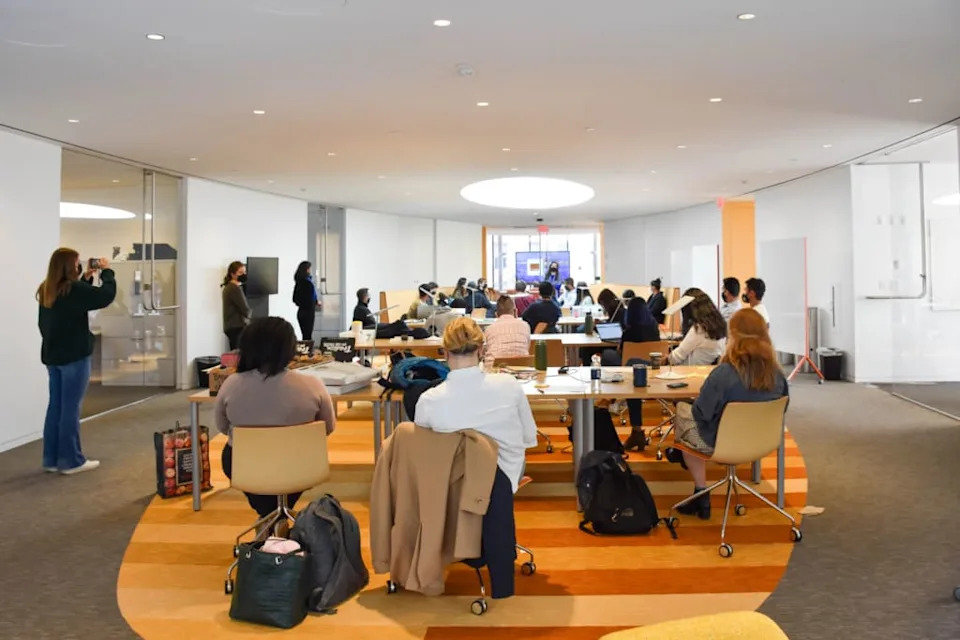
When Professor Kyle Jensen handed a stopwatch to roughly 75 students in a Yale School of Management software development class, his challenge was simple and dramatic: build a functioning website with AI in 20 minutes after just four lectures. The exercise — and the surprising results — capture a broader shift at Yale: the School of Management (SOM) and the School of Engineering & Applied Science (SEAS) are intentionally tightening ties so graduates can both build technology and lead organizations that use it.

SEAS Autonomy Spurs Deeper Collaboration
SEAS became an independent school in July 2022, giving it clearer authority to set priorities and pursue partnerships across Yale. That autonomy accelerated strategic planning focused on entrepreneurship, industry collaboration, and external engagement — opening the door to closer work with professional schools, including SOM.

Jeffrey Brock, SEAS dean: “A major element of our strategic vision was to increase entrepreneurship and industrial collaboration, and to let students and faculty think about the impact of their work.”
New Joint Degrees and Programs
One tangible outcome is a new MBA/MS joint degree launched in Fall 2024. The small, selective program (capped at about 20 students) lets candidates earn an MBA and an MS in fields like computer science, biomedical engineering, applied physics, or chemical and environmental engineering in two years. Students typically spend year one in SOM and year two taking advanced SEAS courses.
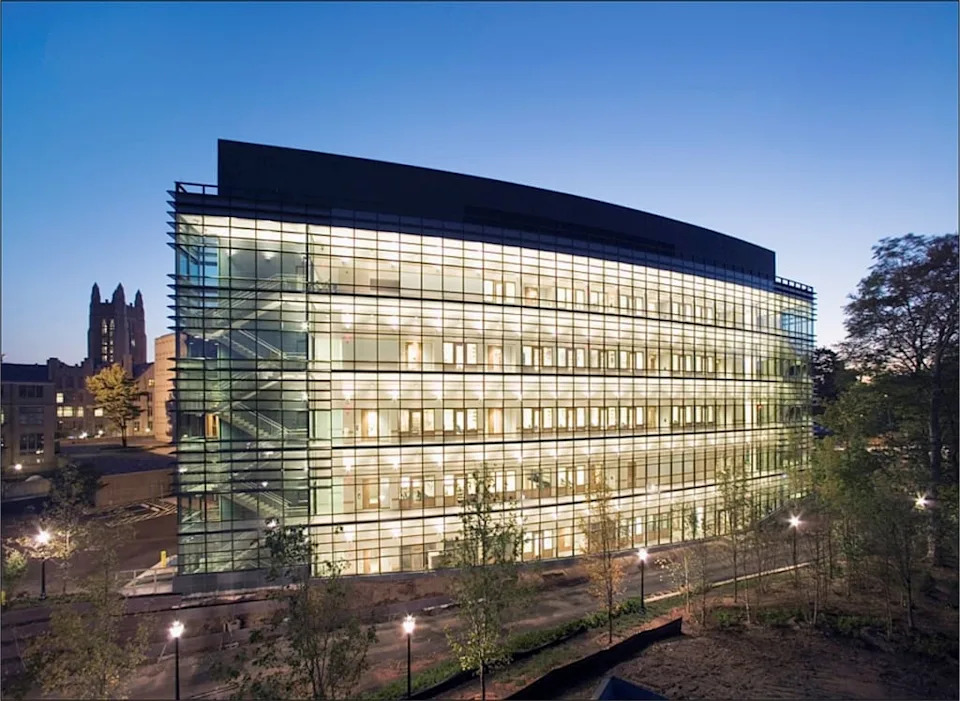
SOM also introduced a one-year Master’s in Technology Management in 2023, aimed primarily at SEAS undergraduates who want to add leadership and business fluency to their technical training. Both degrees are designed to produce graduates who are neither only managers nor only engineers, but a new class of technically fluent leaders.
Curriculum, AI, and Shared Infrastructure
Faculty are updating syllabi across the curriculum rather than adopting a blanket “AI-first” label. New and cross-listed offerings — such as a Large Language Models course (fall 2023) and Software Engineering II — teach students how generative systems work and how to build production-quality tools. Quantitative courses increasingly incorporate generative tools for data manipulation and modeling.
Yale committed $150 million over five years to AI initiatives, funding computing infrastructure that serves both faculty research and startup teams. SOM is also recruiting more technically fluent faculty and weaving AI across programs.
Entrepreneurship: The Practical Bridge
Entrepreneurship programs are where the SOM–SEAS partnership often plays out in practice. SOM’s Program on Entrepreneurship, the university-wide Tsai Center for Innovative Thinking (Tsai CITY), Launchpad programming, and venture matchmaking events deliberately mix business, engineering, and computer science students to form cross-disciplinary founding teams.
On the funding side, SEAS’s Roberts Innovation Fund — which expected 10 applications in its first year but received 40 — provides early-stage support for faculty technologies emerging from labs. Equally important, SOM provides the commercialization know-how: entrepreneurs-in-residence, mentors, and business-trained students help technical teams identify markets and craft investor pitches.
Jeffrey Brock: “These people are very smart and develop great ideas, but they often need help understanding their market and how to pitch to funders.”
Student Spotlight: Artopath
Austin Zheng, a Master of Management student (Class of 2026), illustrates the new builder culture. After Jensen’s stopwatch challenge, Zheng felt the barrier to building collapse. He’s now developing Artopath, an app that maps users’ cultural interests in film and art onto real-world locations. Users can scan artwork or search a film to generate provenance-backed profiles and confidence metrics; saved works populate a map highlighting filming locations, museums, and studios for what Zheng calls “set-jetting.”
Zheng credits multiple Yale resources: Jensen’s LLM course for generative AI mechanics, Management of Software Development for a shipping mindset, the Empirical Strategy Lab for access to high-performance computing, and cross-listed computer science courses for robust system design. He aims for an MVP by Startup Yale 2026.
Why It Matters
Yale’s evolving approach reflects a larger trend in higher education: training leaders who combine technical fluency with managerial judgment. By aligning degrees, courses, infrastructure, and startup support, SOM and SEAS are positioning graduates to move ideas from lab benches to market-ready products — and to lead organizations that use those products responsibly.
Help us improve.