Chinese universities have restructured large portions of their undergraduate offerings, closing or pausing about 12,200 programmes and launching roughly 10,200 new ones from 2021–2025. Arts, humanities and language majors were among the hardest hit, though many programmes were merged into related disciplines rather than wholly eliminated. Institutions are introducing AI-focused and hybrid degrees, and employers increasingly seek graduates who combine creative skills with technical competence.
China Rewrites University Degrees for an AI Future — Arts and Language Programs Reshaped

Credit: Getty Images / Surasak Suwanmake
Chinese universities are reshaping their course offerings as artificial intelligence and related technologies reshape labour-market priorities. Between 2021 and 2025, institutions closed or paused roughly 12,200 undergraduate programmes while introducing about 10,200 new ones — changes that affected more than 30% of undergraduate offerings nationwide.
What Is Changing
Arts, humanities and language programmes have absorbed the heaviest reductions. Several high-profile schools, including the Central Academy of Fine Arts, have moved away from standalone degrees in illustration, photography and translation, saying these disciplines are less cost-effective in an era of powerful AI tools. Fashion design degrees have also been scaled back in some places, as universities emphasize collaboration between human creators and machine systems.
Numbers And Policy Drivers
The shift follows a state-led push to steer students toward sectors the government deems strategically important — such as semiconductors, robotics and artificial intelligence. A survey of 70 institutions reported cuts to multiple language programmes, including five translation majors and several Japanese and German degree tracks.

Google logo on a black background next to text reading 'Click to follow TechRadar'
How Programs Are Being Reorganized
Not all affected majors have been outright eliminated. Some were merged into broader or related fields: the Communication University of China said visual communication, comics and photography were folded into other disciplines, with photography subsumed under film and television photography rather than simply erased.
New Courses And Emerging Roles
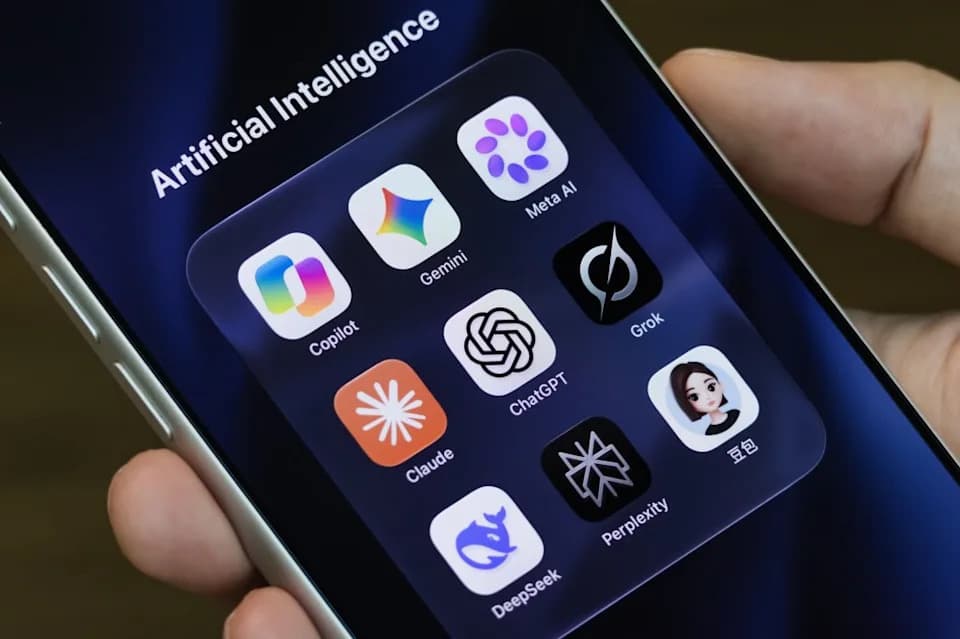
While some traditional degrees are scaled back, new AI-focused and hybrid programmes are emerging. Universities now offer degrees such as Intelligent Imaging Art, Intelligent Audiovisual Engineering and Intelligent Engineering and Creative Design. New job titles — including prompt engineer and AI animator — are appearing in animation and film, reflecting demand for different technical skills in creative workflows.
"There's still that personal style that's always been essential in translation," said Alex Shi, who trained in translation and interpretation. She warned that cuts risk overlooking broader skills — communication, judgment and cultural sensitivity — that go beyond literal translation.
Implications For Students And Employers
Employers increasingly expect graduates to combine creative talent with technical know-how to work alongside automated systems. For students, that means traditional qualifications may need to be supplemented with practical AI, data or engineering skills to remain competitive in changing fields like translation, design, photography and film production.
The result is a higher education landscape where familiar degrees may disappear or be reconfigured, while AI-focused and technology-oriented programmes expand to match a rapidly evolving job market.
Help us improve.