South Sudan’s health system has collapsed under persistent corruption, low public investment and renewed conflict, forcing government officials to seek care abroad. More than 80% of medical services are provided by NGOs such as the ICRC and MSF, while government salaries have not been paid and only 1% of the national budget is devoted to health. The UN reports 5,100+ civilian deaths and massive displacement as the country edges toward all-out civil war, and key health indicators—life expectancy, maternal mortality and child survival—remain among the worst globally.
Dead on Arrival: How Corruption and Conflict Crippled South Sudan’s Health System
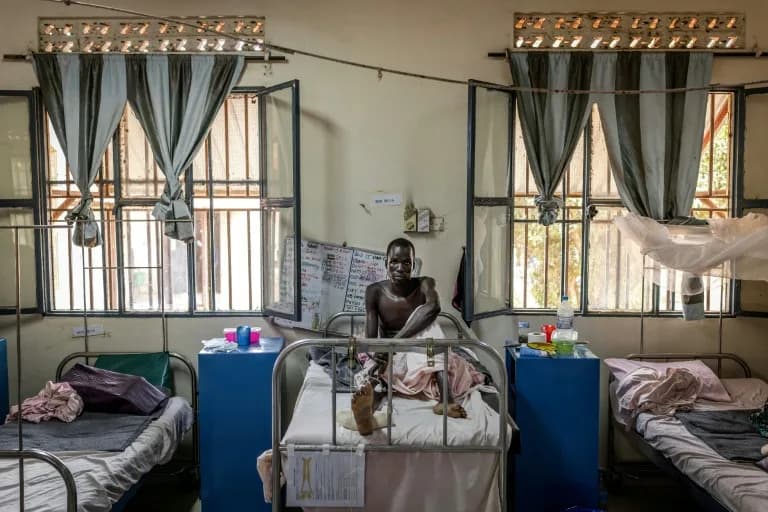
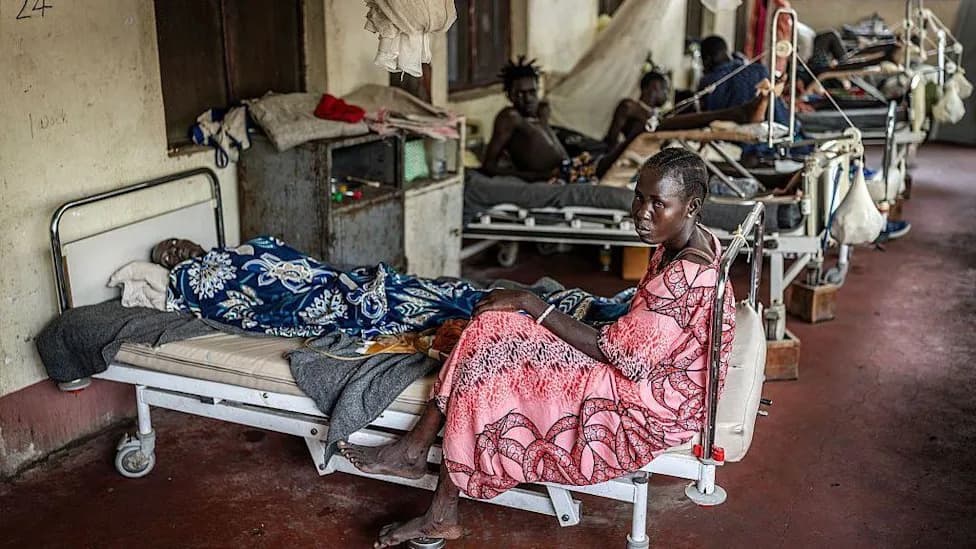
Health outcomes have worsened in South Sudan since independence despite billions of dollars in oil revenues (Luis TATO)(Luis TATO/AFP/AFP)
South Sudan’s health system has been decimated by years of corruption, chronic underinvestment and renewed conflict. Even senior officials, including Jonglei governor Riek Gai Kok, have been forced to travel to Kenya for routine care because local services are dysfunctional.
Humanitarians say the country’s elite have allowed public services to collapse. More than 80% of medical care is now delivered by international NGOs such as the International Committee of the Red Cross (ICRC) and Médecins Sans Frontières (MSF), while government-run services struggle to operate without regular salaries or supplies.
Frontline Human Impact
At Juba Military Hospital, wounded patients lie on the floor with blood-stained bandages; one man shot in the neck was struggling to breathe. Ajuong Deng, 33, who was wounded in the leg, said, "When I was shot, I thought I was dead." It was the ICRC—not the army or state services—that evacuated and treated him.
"If we don't pay them then no one stays here," an anonymous health worker said of the NGO "incentives" used to retain staff embedded in government facilities. Official monthly salaries—typically $10–50—have not been paid for months.
Cycle Of Violence And Limited Access
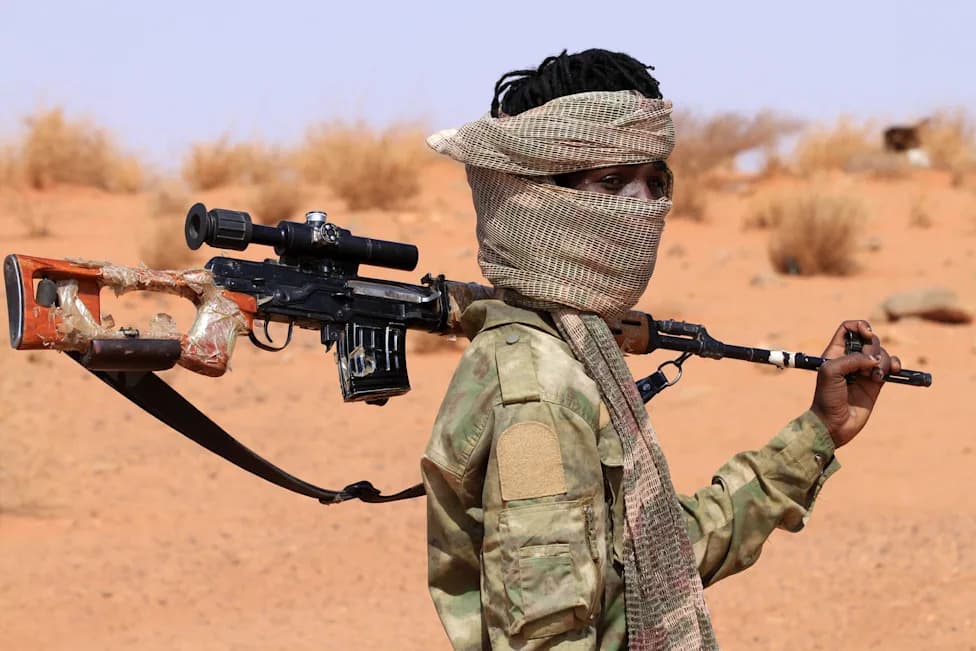
Clinicians warn that many injured patients are drawn back into recurring cycles of violence—fighting between government and opposition factions in the north, and attacks by ethnic militias and cattle raiders in rural areas. With only about 300 kilometres of paved roads—many impassable in the rainy season—wounds often become infected before victims reach care, increasing amputation rates and long-term disability.
"I have actually had one patient who came back four times," said Angeth Jervas Majok, ICRC chief physiotherapist. "On the fifth time, unfortunately we lost him." Amputees also face deep social stigma that can prevent them from returning to their communities.
Alarmingly Poor Health Indicators
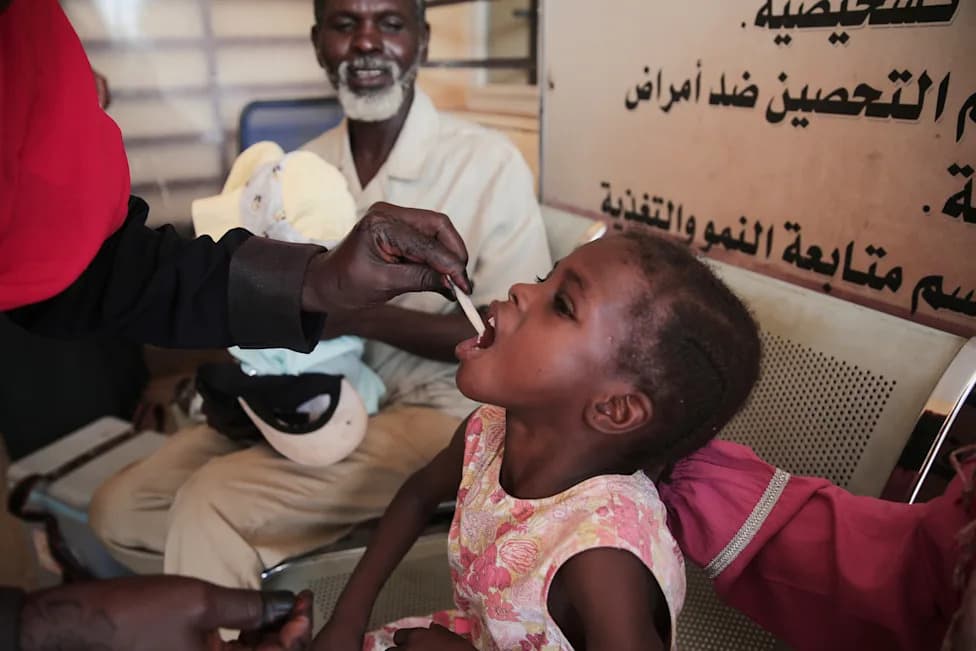
Despite receiving an estimated $1.4 billion in foreign aid in 2024—the largest amount worldwide as a share of GDP—health outcomes have not improved. Life expectancy remains about 58 years, maternal mortality is reported at 1,223 deaths per 100,000 births, and UNICEF estimates one in 10 children dies before age five. Although oil revenues have exceeded $25 billion since independence in 2011, only 1% of this year’s budget was allocated to health.
The UN reports more than 5,100 civilian deaths and hundreds of thousands displaced amid escalating violence, warning the country is on the brink of "all-out civil war." The UN and other agencies have said that substantial parts of funding and revenue never reach health services or patients.
Security And The Shrinking Humanitarian Footprint
South Sudan is one of the most dangerous countries for health workers. MSF facilities were attacked 11 times in the past year. The ICRC surgical unit in Juba has installed blast doors and stores food and water next to medical supplies in case of siege. Facing security risks, funding cuts and governance concerns, some donors and NGOs are scaling back operations; the ICRC has said it plans to "draw down progressively" in at least one facility while attempting to bolster local capacity.
Information Minister Ateny Wek Ateny acknowledged liquidity "difficulties" but said the government is working to address them and rejected Transparency International’s ranking of South Sudan as the world’s most corrupt country, questioning its methodology.
The result: a health system overwhelmed by clinical need, underfunded by the state, and heavily dependent on international aid—at grave risk if donors withdraw or security deteriorates further.
Help us improve.