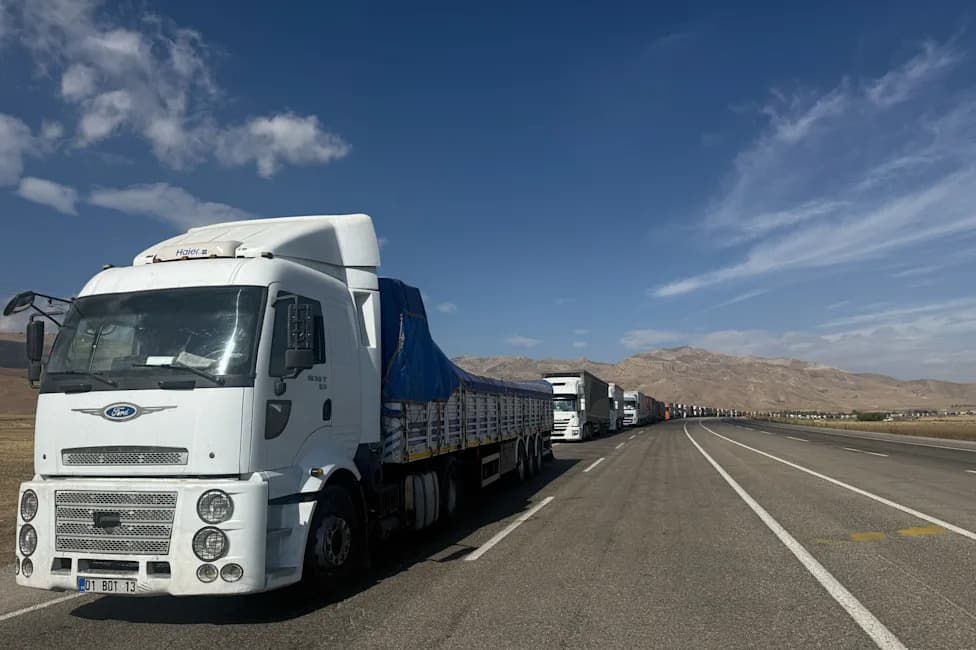
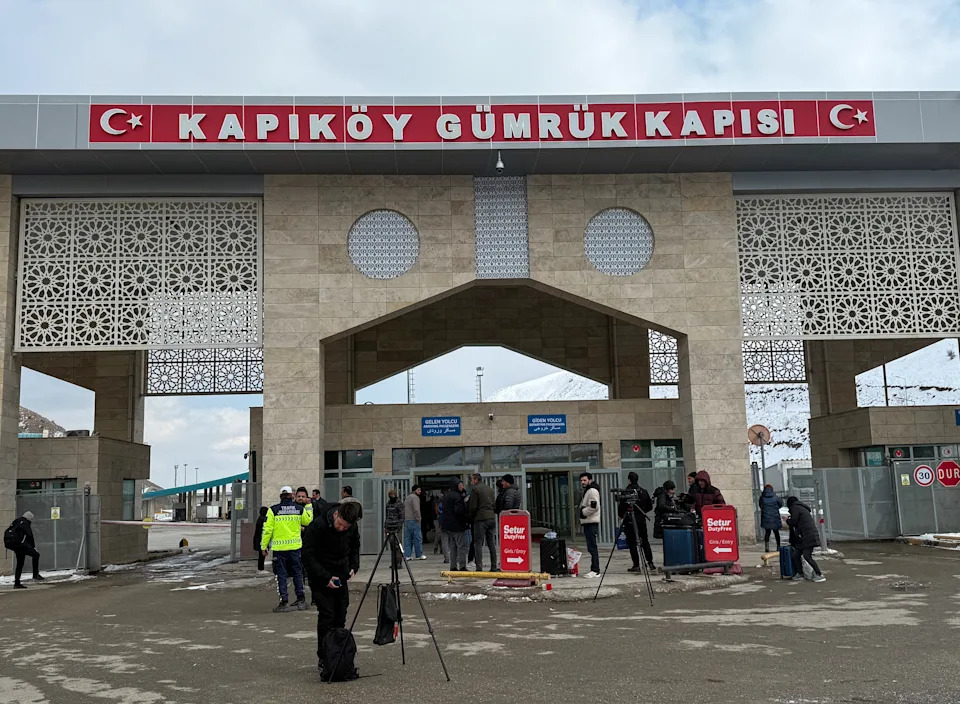
The Kapıköy crossing near Van remains one of the few overland routes available to Iranians after Iran shut its airspace following strikes that heightened regional tensions. Most people using the gate are transiting for work, family or onward travel rather than seeking permanent refuge; only a small number say they plan to stay in Turkey. Turkish authorities reported roughly 2,032 entries and 1,966 departures on a recent day and have strengthened border defenses and contingency plans in case of a larger outflow.
Kapıköy Crossing Remains Key Overland Route for Iranians After Airspace Closure — Few Plan to Stay
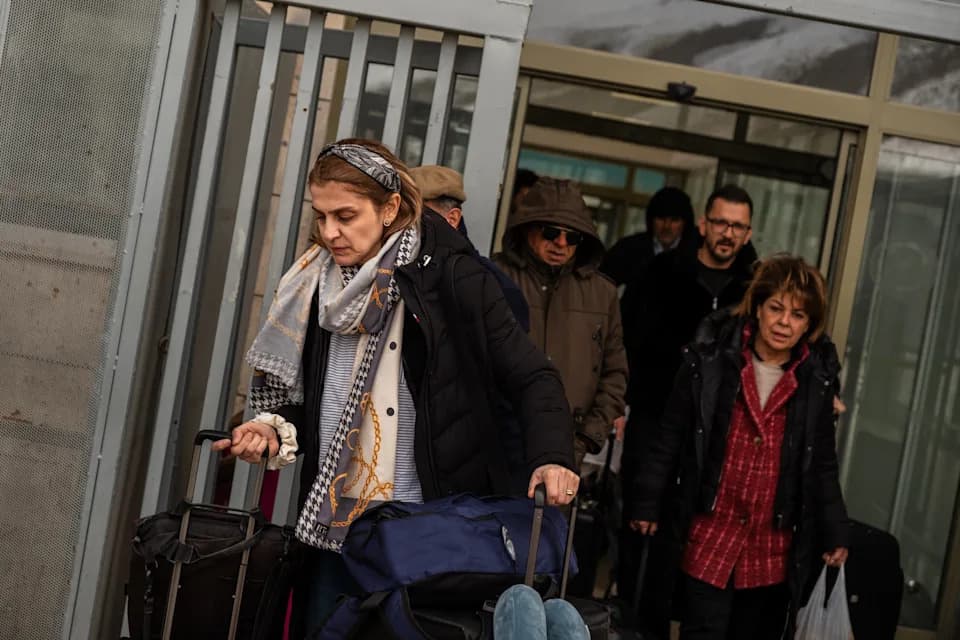
People, mostly Iranians who crossed from Iran at the Kapikoy border crossing, pull luggage in Turkey's eastern Van province, Friday, March 6, 2026. (AP Photo/Murat Kocabas)(ASSOCIATED PRESS)
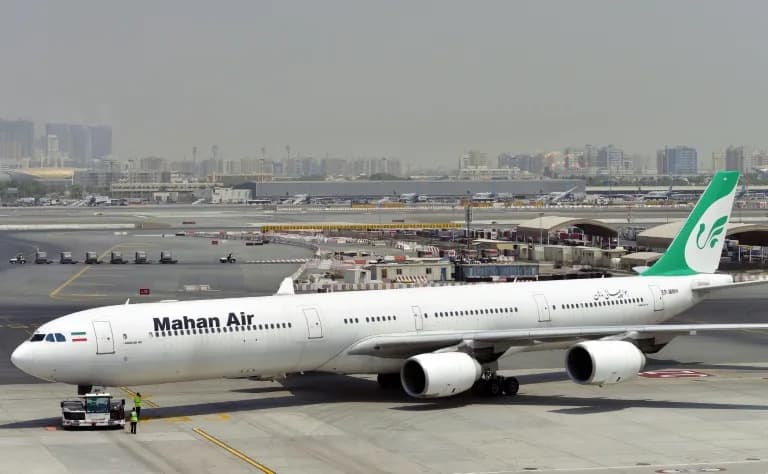
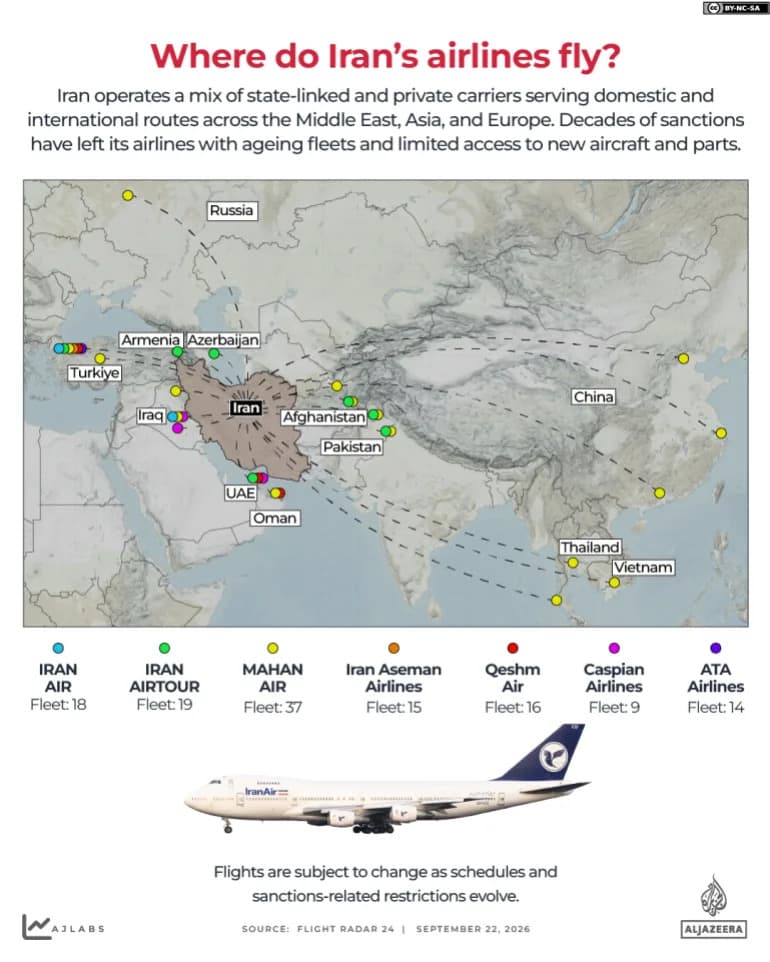
The Kapıköy land crossing near Turkey’s eastern Van province has become one of the few practical overland routes for Iranians seeking to leave the country after Iran closed its airspace following U.S. and Israeli strikes on Tehran that escalated tensions across the Middle East. While the gate is open, most travelers use it as a temporary transit point rather than as an avenue for permanent asylum.
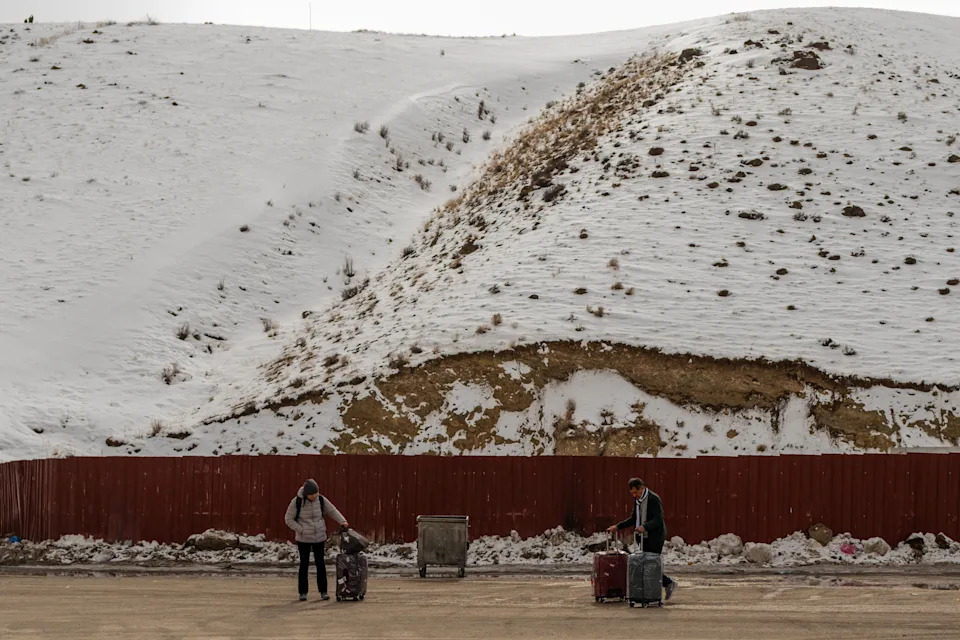
People, mostly Iranians who crossed from Iran through the Kapikoy border crossing, stand with luggage in Turkey's eastern Van province, Friday, March 6, 2026. (AP Photo/Murat Kocabas)(ASSOCIATED PRESS)
Who Is Crossing—and Why
In recent days the majority of people at Kapıköy have been transiting for work, family visits, or onward travel. Many have preexisting ties to Turkey or hold residency or citizenship in third countries and are using the crossing to reach flights out of Van or to connect onward through Turkey.
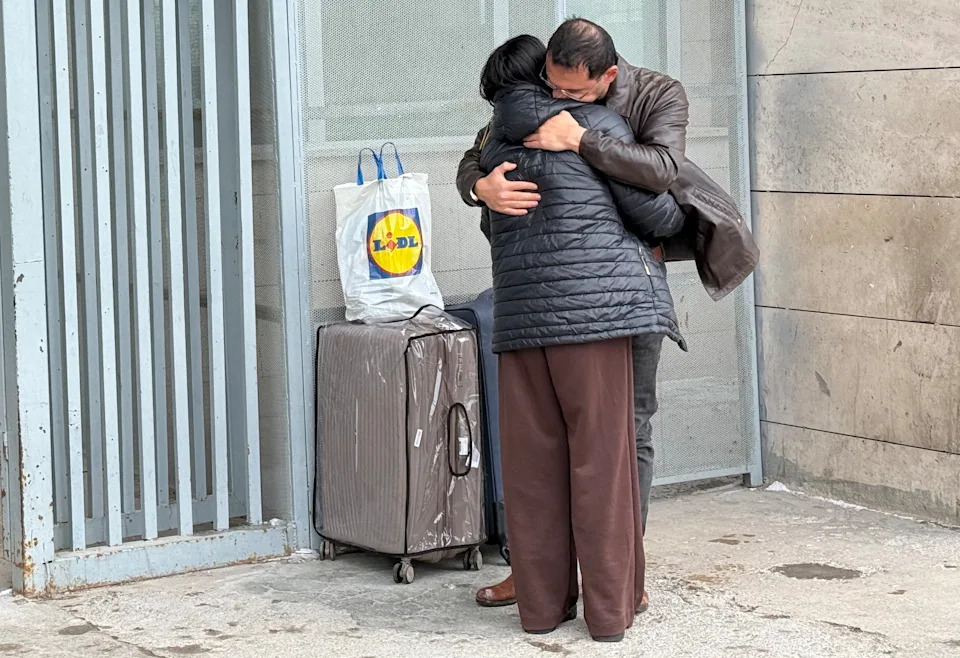
A man welcomes a woman who crossed from Iran to Turkey at the Kapikoy Border Gate in eastern Van province, Turkey, Thursday, March 5, 2026. (AP Photo/Serra Yedikardes)(ASSOCIATED PRESS)
On-the-Ground Conditions
The crossing and nearby Van airport have seen steady, but not mass, movement. Turkey’s Interior Minister Mustafa Çiftçi reported that on a recent Wednesday 2,032 travelers entered Turkey from Iran and 1,966 returned the same day. Travelers generally described calm scenes at the border: it was not overcrowded, and many Iranians remained in their homes rather than attempting to leave.
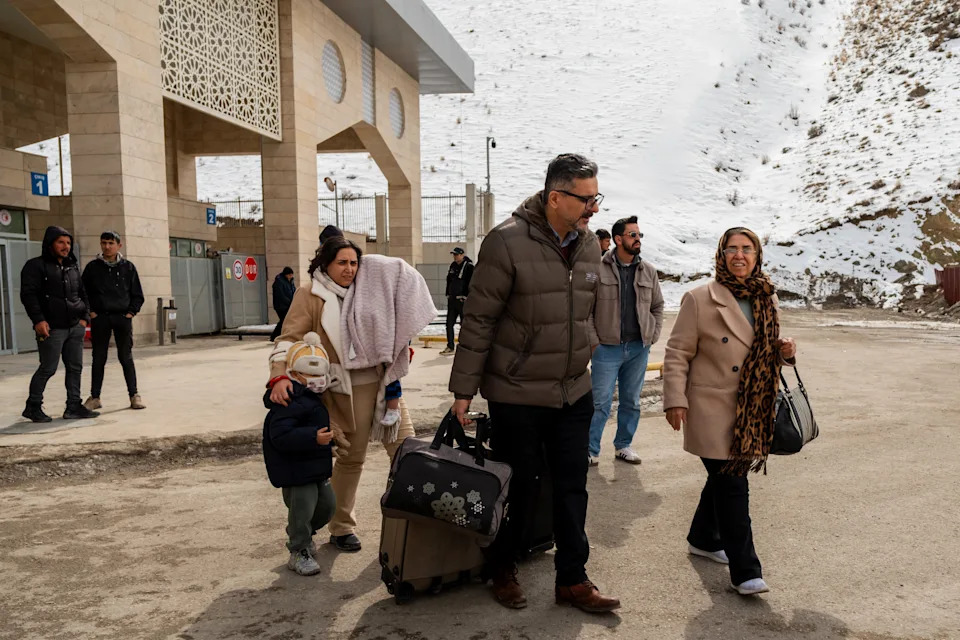
People, mostly Iranians who crossed from Iran at the Kapikoy border crossing, pull luggage in Turkey's eastern Van province, Friday, March 6, 2026. (AP Photo/Murat Kocabas)(ASSOCIATED PRESS)
Personal Stories
Reza Gol, a 38-year-old plastic surgeon, traveled from Urmia to Istanbul to see patients and said the conflict was only one factor in his trip. “It’s not clear whether we will leave Iran for good, but I can clear my head a little bit in the meantime,” he said, noting the crossing appeared calm.
People, mostly Iranians, wait after crossing from Iran at the Kapikoy border crossing in eastern Van province, Turkey, Thursday, March 5, 2026. (AP Photo/Serra Yedikardes)(ASSOCIATED PRESS)
Pooneh Asghari and her husband, Iranian-Canadian citizens, reluctantly prepared to fly to Canada despite having lived and worked in Iran for years. “We’ve been living in Iran for over the last five years. All our life is there,” Asghari said.
“People are very poor now. So they are staying at home, and they are scared.” — Fariba, who requested only her first name
Many travelers described limited means or strong ties at home, which helps explain why there has been no large-scale exodus through Kapıköy.
Travel Disruptions and Local Impact
Some transit passengers are facing additional challenges such as weather-related flight cancellations. Students and others relying on nonrefundable connecting tickets reported anxiety about missing onward flights. Van — a 1.5-hour drive from the border — serves as a regional hub and typically benefits from Nowruz tourism. Local hotel owners expect a downturn as fewer visitors travel during the unrest.
Turkey’s Preparations
Turkey has strengthened border defenses and prepared contingency plans in case of a larger influx. The defense ministry said earlier this year that roughly 380 kilometers of concrete barriers, 203 optical towers and 43 elevator-equipped towers have been deployed along the 560-kilometer border with Iran. Interior Ministry plans include tent camps and buffer zones should significant numbers seek refuge; so far, such an influx has not materialized.
Outlook
For now, Kapıköy functions largely as a temporary escape valve: an accessible route for those with connections abroad or urgent travel needs, rather than as the start of a mass migration out of Iran. Many who cross hope to return once the immediate danger subsides.
Help us improve.