North Korea publicly condemned the U.S.–Israel campaign in Iran but omitted reports of Ayatollah Khamenei’s death, likely to avoid normalizing a leader’s vulnerability. Kim Jong Un and his security circle are closely studying the crisis and weighing whether to engage U.S. leader Donald Trump to manage his unpredictability. Factors shaping that choice include recent missile tests, robust leader-protection measures, North Korea’s claimed nuclear arsenal, painful memories from the failed Hanoi summit, and strengthened ties with Russia. The core dilemma: pursue talks to reduce immediate risk or rely on deterrence and alliances — each option carries significant risks.
After Iran and Venezuela, Kim Jong Un Faces a Risky Choice: Call Trump Or Rely On Deterrence?
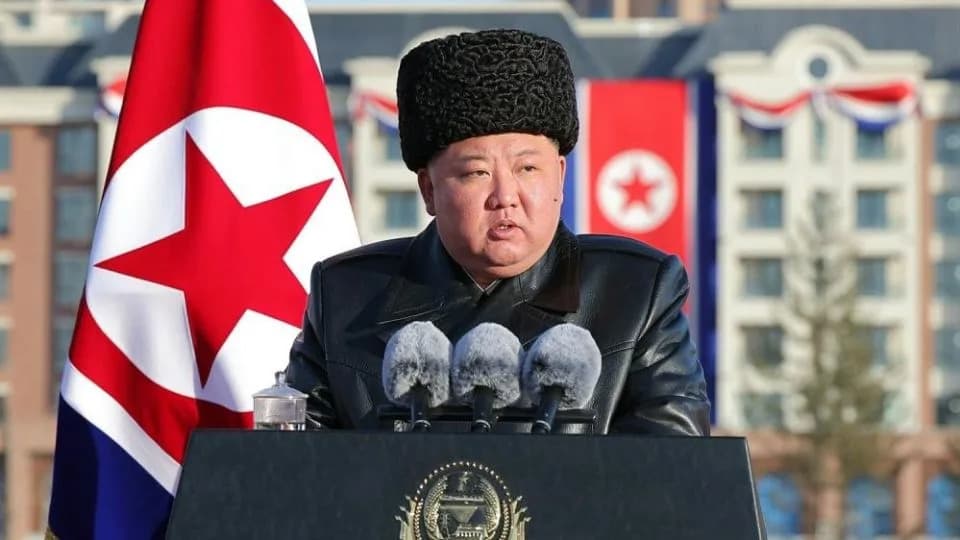
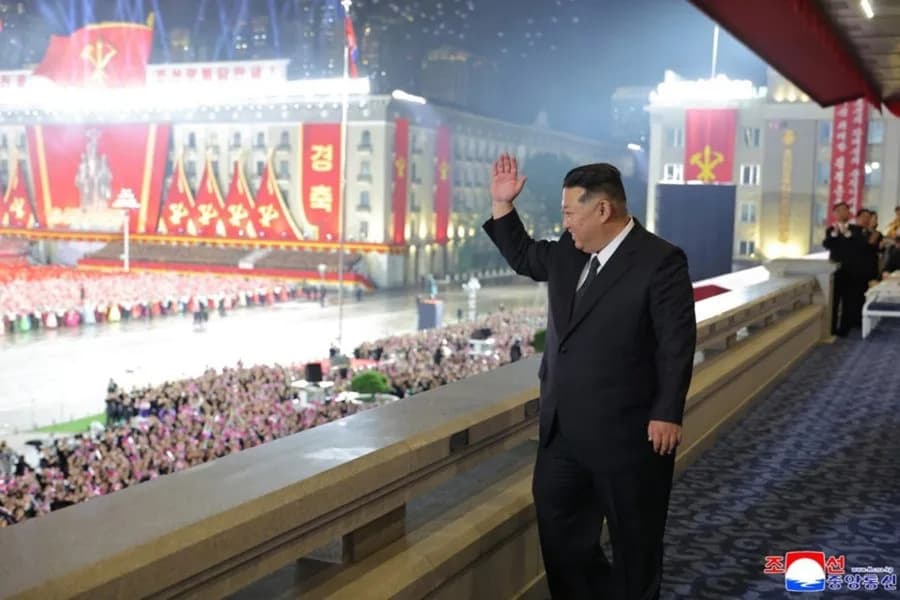
Kim Jong Un in Pyongyang, North Korea, on February 16, 2026. - Rodong Sinmun/KCNA
Last weekend, North Korean state media denounced the United States and Israel for waging a “war of aggression” against Iran but conspicuously omitted any mention of reports that Ayatollah Ali Khamenei and other senior Iranian leaders had been killed. That omission appears deliberate: publicizing the violent removal of another country's supreme leader would undermine the carefully cultivated image of the North Korean leader as invulnerable.
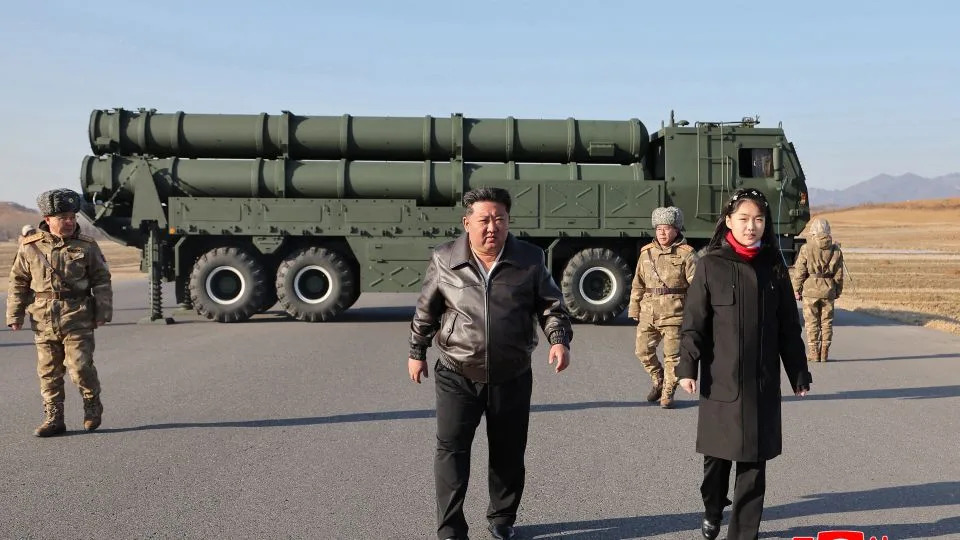
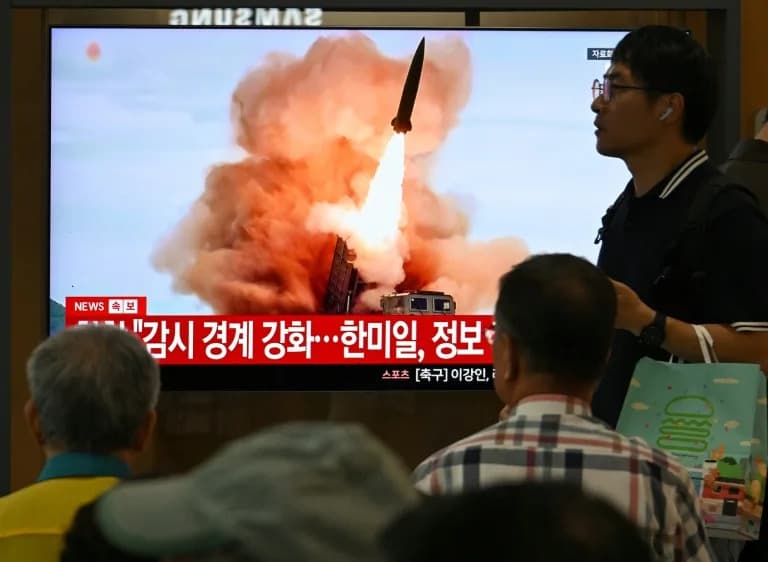
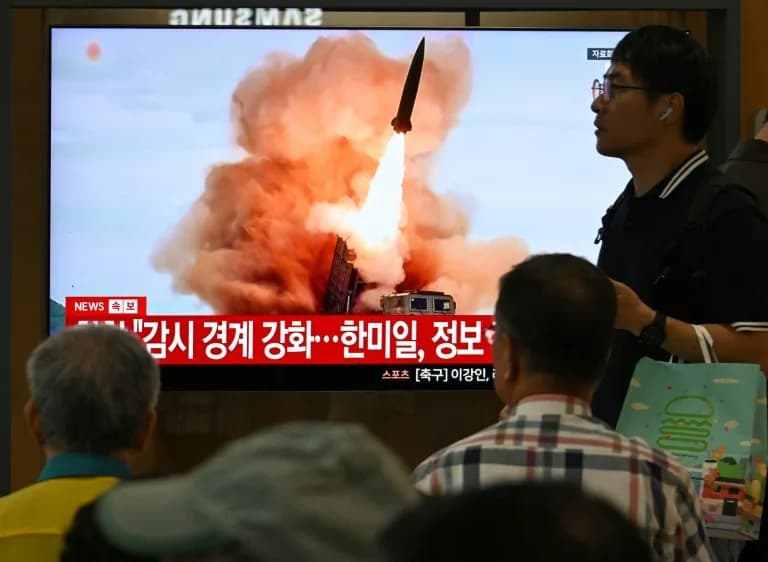
Kim Jong Un and his daughter Kim Ju Ae inspecting a test firing of the renewed large-caliber rocket launcher system, at an undisclosed location in North Korea, on on January 27, 2026. - KCNA/KNS/AFP/ Getty Image
Why The Omission Matters
Pyongyang’s political system rests on a near-mythic portrayal of its leader’s authority and security. Acknowledging that a rival supreme leader was tracked and eliminated would introduce a dangerous precedent at home — reminding citizens that even the highest office can be targeted. For that reason, officials and state media are likely to avoid relaying such details.
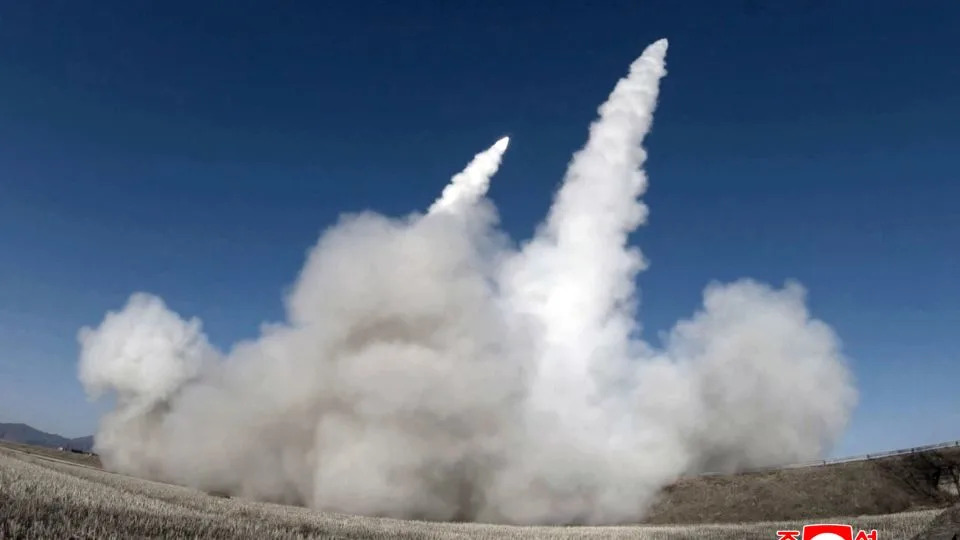
A test firing of the renewed large-caliber rocket launcher system, at an undisclosed location in North Korea, on on January 27, 2026. - KCNA/KNS/AFP/ Getty Image
Kim’s Calculus: Dialogue, Deterrence Or Both?
Kim Jong Un and the small group of party and security officials who oversee national defense are almost certainly dissecting every aspect of the US–Israel campaign in the Middle East. One key question is whether Kim should reach out to U.S. leader Donald Trump to manage his unpredictability, or instead rely on North Korea’s hardened protection measures, nuclear deterrent and strategic partnerships.

North Korean leader Kim Jong Un waves before his special train leaves Vietnam's Dong Dang station on March 2, 2019. - Kyodo News/Getty Images
Chad O’Carroll, founder and CEO of Korea Risk Group, argues that even a superficial engagement could help Pyongyang manage Trump’s tendency to pivot rapidly between diplomacy and force.
Recent Signals: Tests, Security, And Memory
North Korea has continued to show military capability. Analysts linked earlier missile activity to dramatic international events — for example, Pyongyang reacted quickly after reports of Venezuelan President Nicolás Maduro’s capture — and this week Kim oversaw a cruise missile test launched from the navy’s new Choe Hyon destroyer ahead of its commissioning. Whether these tests are directly tied to the Iran crisis is unclear, but they serve as a signal of readiness.
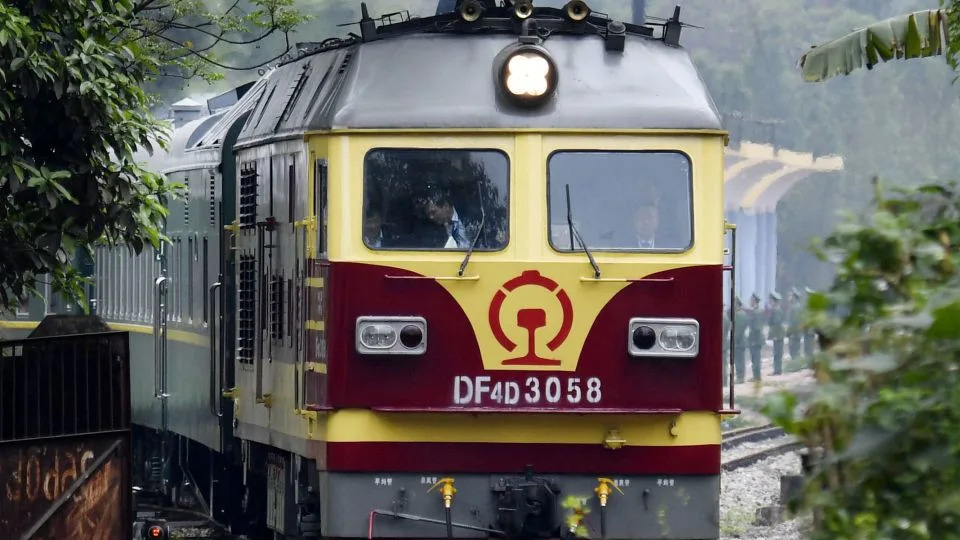
A special train carrying North Korean leader Kim Jong Un leaves Vietnam's Dong Dang station on March 2, 2019. - Kyodo News/Getty Images
Domestically, leader-protection is an obsession. South Korean and U.S. intelligence assessments describe Pyongyang’s Guard Command and internal security organs as among the world’s most elaborate: clustered security details, ballistic briefcases that can become shields, decoy motorcades, last-minute venue changes, and rumored underground command facilities beneath Pyongyang and in remote mountains designed to preserve leadership continuity.
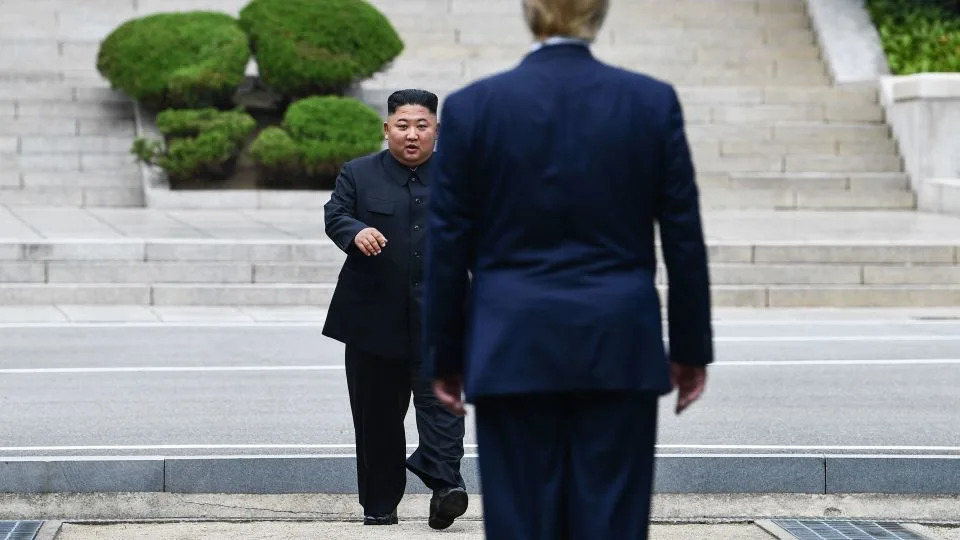
North Korea's leader Kim Jong Un walks to greet US President Donald Trump at the Military Demarcation Line that divides North and South Korea, in the Joint Security Area (JSA) of Panmunjom in the Demilitarized zone (DMZ) on June 30, 2019. - Brendan Smialowski/AFP/Getty Images
Nuclear Deterrence Changes The Equation — But Doesn’t Eliminate Risk
North Korea is widely believed to have assembled dozens of nuclear warheads and delivery systems that it claims could reach the U.S. mainland, and it has codified a right to preemptive nuclear use in law. Those capabilities significantly alter adversaries’ risk calculations. Yet modern intelligence and precision strike capabilities have repeatedly demonstrated the ability to penetrate defenses, disrupt communications, and target leadership with speed, meaning deterrence does not guarantee immunity.
Lessons From Hanoi And The Limits Of Alliances
The failed Hanoi summit of 2019 remains a fresh lesson for Kim. The summit collapsed unexpectedly and Kim returned to Pyongyang without concessions he and domestic propaganda had anticipated. Unverified reporting at the time suggested covert intelligence activity around the talks, underscoring that diplomacy does not suspend clandestine operations or contingency planning.
Kim’s recent pivot toward Moscow — including reported arms shipments, deployment of personnel, and deliveries of food, fuel and possibly military technology — has strengthened ties with Russia. Yet Iran’s recent experience shows that even close relationships with China or Russia may not prevent a crisis from escalating without direct military intervention from those partners.
The Immediate Dilemma
At the Ninth Workers’ Party Congress in February, Kim left a modest opening for talks, conditioning engagement on U.S. recognition of North Korea’s nuclear status and an end to Washington’s so-called “hostile policy.” The White House, according to Seoul, has reiterated openness to dialogue without preconditions. With recent events in the Middle East and elsewhere highlighting both the reach of intelligence operations and the speed at which diplomacy can turn to force, Kim must weigh which option carries greater risk: initiating contact with Trump to manage unpredictability, or doubling down on deterrence and strategic partnerships while staying silent.
Bottom line: Pyongyang’s reaction will be shaped by an evolving assessment of threat, deterrent strength, diplomatic opportunity and the lessons of recent history. Whichever path Kim chooses, the stakes remain high for regional and global stability.
Help us improve.