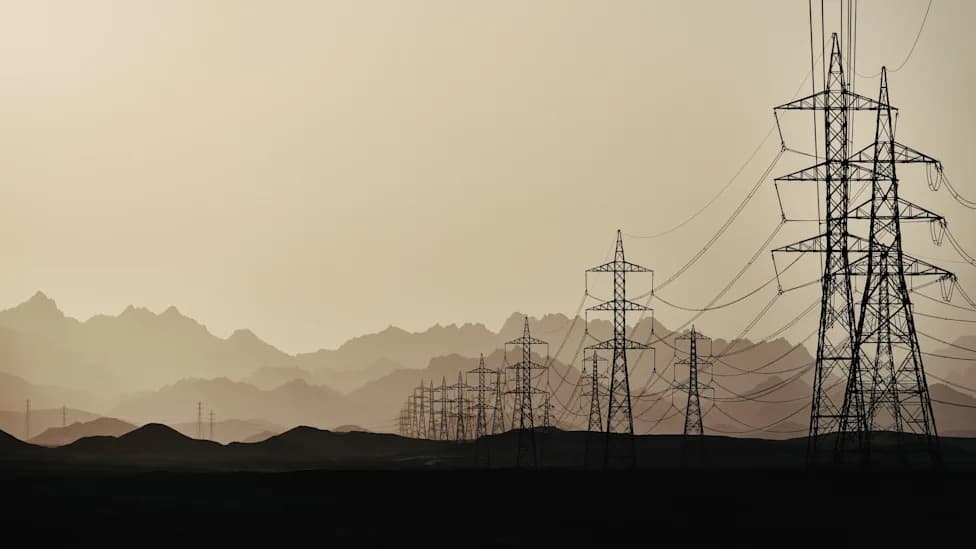
The rapid growth of AI-driven data centers is prompting utilities to plan long, high-voltage transmission lines to move large amounts of electricity across regions. These projects — including a proposed 500-kV line that could cross a 40-acre Pennsylvania farm — are drawing fierce local opposition over land use, environmental impacts and property values. Utilities say expanded transmission strengthens grid reliability for all customers, while critics warn the burden falls on local communities and question who benefits most. The debate is playing out across multiple regions, from Pennsylvania and West Virginia to Texas and the Midwest.
AI Boom Is Driving Giant High‑Voltage Power Lines — And Landowners Are Fighting Back
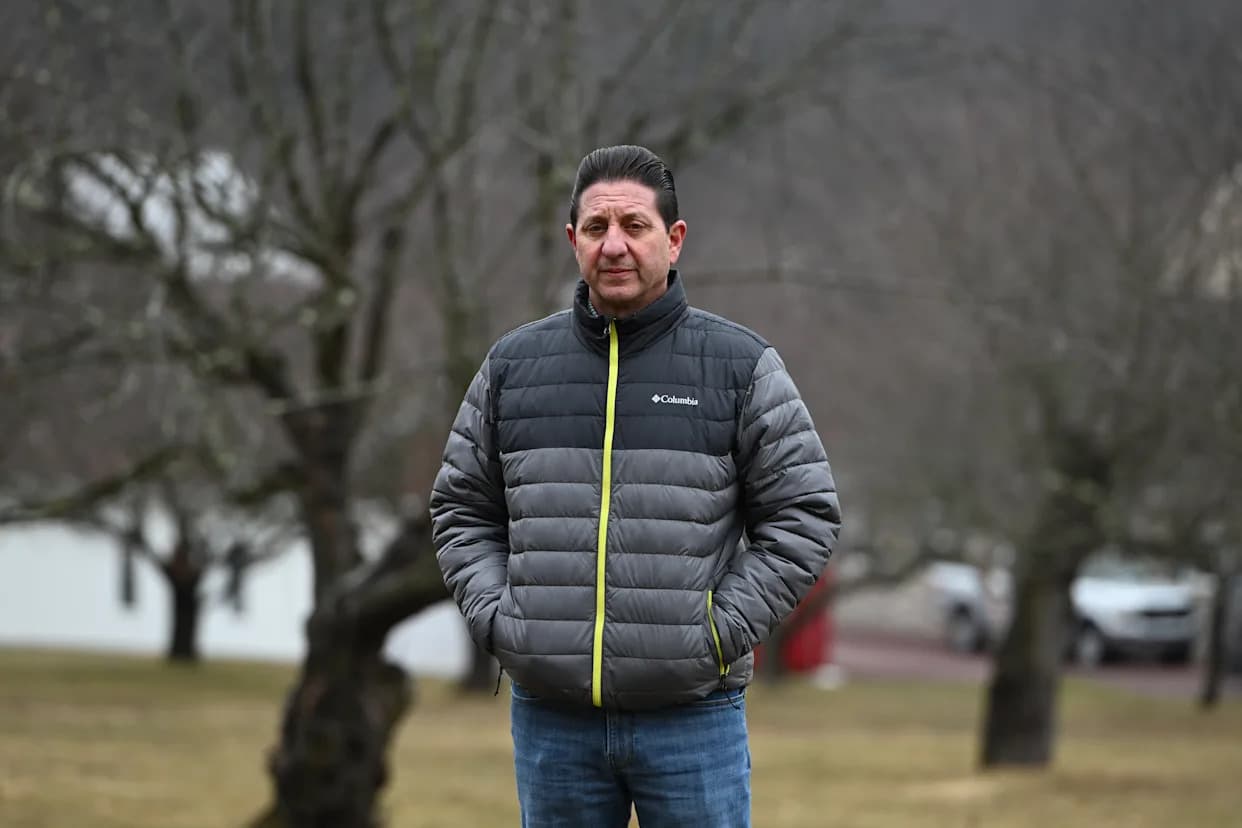
John Zola stands in an apple tree grove on his property on a spot where he says the local electric utility wants to build a 500-kilovolt line across his land, March 4, 2026, in Sugarloaf, Pa. (AP Photo/Marc Levy)
John Zola once called his 40-acre farm in northern Pennsylvania a small paradise: apple orchards, a barn, meadows and room for four houses — one for him and his wife and one for each of his three adult children. Since late 2024, however, life there has been "hell," he says, after a contractor for the local utility notified him of plans to run a 500-kilovolt transmission line across his property.
The Local Impact
The proposed steel towers would rise roughly 240 feet — about 10 times the height of Zola's century-old apple trees — and loom over homes, a basketball court and the pool where his grandchildren play. The line would require a broad corridor in some places and could pass within about 100 feet of rooms where family members sleep.
“They don’t look at whose lives they are destroying, whose property they are destroying,” Zola said.
Why Utilities Say Transmission Is Needed
Many utilities and grid operators say the surge in demand for electricity from massive data centers — driven in large part by advances in artificial intelligence — requires long-distance, high-voltage transmission lines to move power efficiently across regions. They argue that new transmission capacity increases grid reliability and resilience and benefits all customers, even if the immediate impetus is corporate demand.
Where The Controversy Is Playing Out
Projects proposing lines at 500 kV and higher are drawing pushback from landowners, conservation groups, local officials and some state agencies across the country. Examples include the 12-mile Sugarloaf project in eastern Pennsylvania, a set of west‑east 765-kV corridors in Texas’ Hill Country, multistate fights over a roughly $22 billion Midwest package, and proposed links from West Virginia generation to northern Virginia’s “data center alley.”
Main Points Of Tension
Opponents say transmission lines intrude on private property, threaten farms and sensitive ecosystems, depress property values and risk harm to waterways. Critics also question whether the primary beneficiaries will be distant corporate customers rather than local communities. Utilities counter that decades of relatively flat demand masked underlying grid weaknesses and that upgrades are needed to avoid blackouts on extreme-weather days.
Policy, Permitting And Alternatives
The debate extends to policy: some lawmakers seek to streamline permitting for certain projects, while some tech companies are exploring on-site generation or siting data centers near power plants to avoid long transmission battles. Utilities plan large investments: industry forecasts suggest transmission spending could nearly double to about $50 billion a year by 2028 compared with 2019 levels.
What’s Next
As utilities ramp up proposals, citizens and regional regulators are pushing back — negotiating route changes, demanding stronger environmental review, and in some cases urging federal regulators to block projects. Property owners worry about eminent domain and whether cash offers truly compensate for permanent changes to their land and communities.
Why It Matters: The clash highlights a broader tension at the intersection of modern technology, climate and energy policy, private property rights and local community impacts — a conflict likely to shape the U.S. energy landscape for years to come.
Help us improve.