China publicly rejects the notion of a U.S.-China "G2" running world affairs, with Foreign Minister Wang Yi saying more than 190 countries must shape the future together. Wang insisted China "will never seek hegemony or expansion" and called for an "equal and orderly multipolar world." He urged careful preparation for a busy 2026 of high-level exchanges between Beijing and Washington and warned that conflicts, including strikes in Iran, risk disrupting bilateral ties.
China Rejects 'G2' Idea — Wang Yi Says World Can't Be Run By The U.S. And China Alone
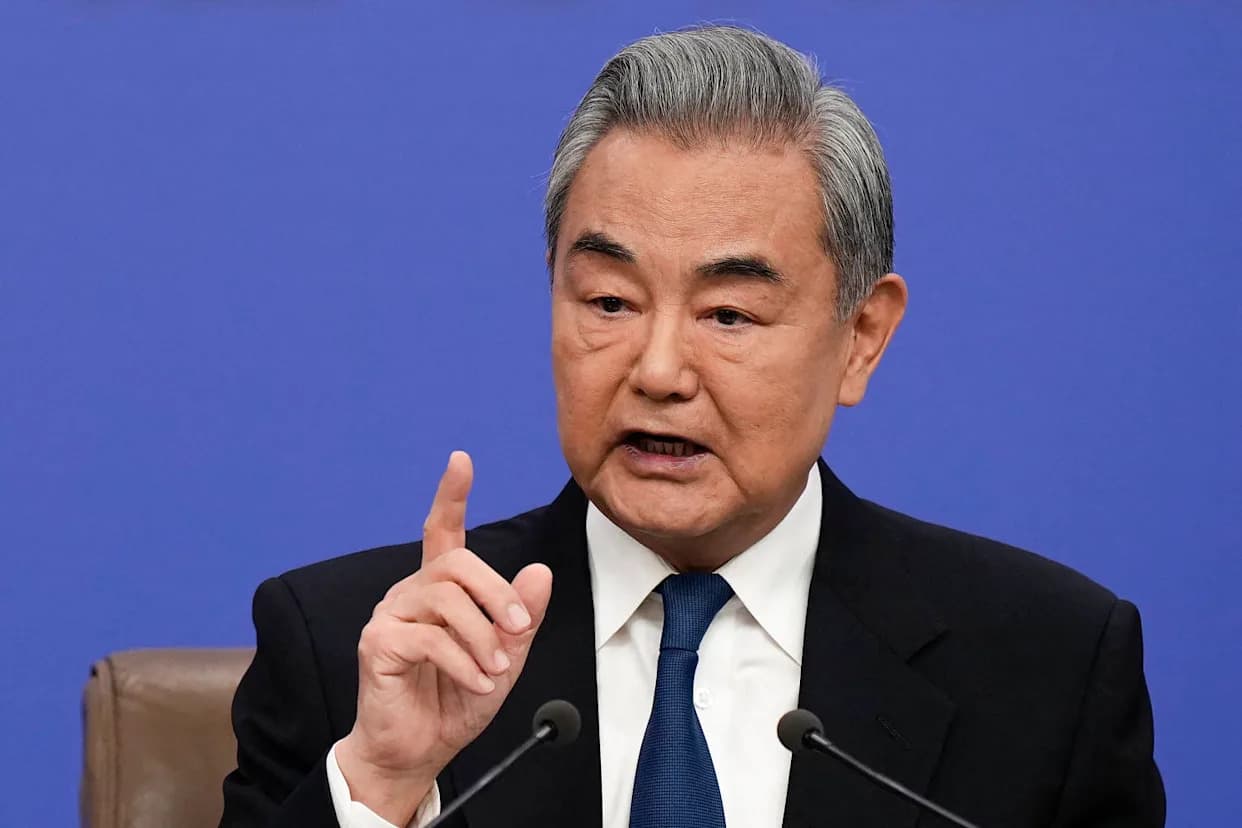
Chinese Foreign Minister Wang Yi at a news conference in Beijing on Sunday on the sidelines of China’s annual legislative session. (IORI SAGISAWA / AFP - Getty Images)(IORI SAGISAWA)
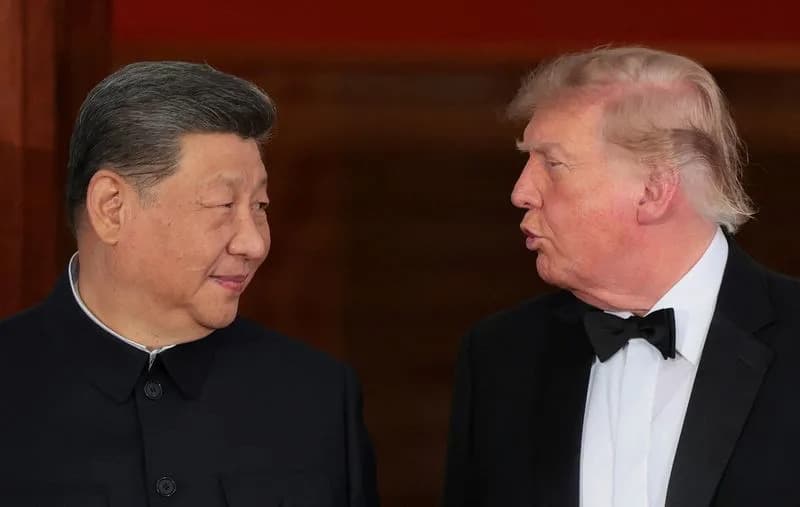
Beijing has publicly rebuffed the idea that the United States and China should jointly run global affairs under a so-called "G2" arrangement. The proposal, revived recently by former President Donald Trump, suggests a special partnership between the world’s two largest economies. Chinese officials say they prefer a broader, multipolar approach to international governance and reject any arrangement that sidelines other nations.
What Is The "G2"?
The "G2" concept dates to 2005, when economist C. Fred Bergsten proposed a closer strategic dialogue between the world’s two largest economies as a complement to forums such as the G7 or G20. While the idea appealed to some policymakers initially, it fell out of favor amid rising tensions between Washington and Beijing—especially during Trump’s first term.
Wang Yi’s Response
At a news conference on the sidelines of China’s annual legislative session in Beijing, Chinese Foreign Minister Wang Yi sought to allay worries that the U.S. and China might cut other countries out of key decisions. Asked about the "G2" concept, Wang acknowledged the global influence of both countries but emphasized that the planet comprises more than 190 nations.
"There is no doubt that China and the U.S. have a significant impact on the world. But we should not forget there are more than 190 countries on our planet," Wang said. "World history has always been written by many countries together, and the future of humanity will be forged through the collective efforts of all nations."
Wang reiterated Beijing’s longstanding policy line that China "will never seek hegemony or expansion" and that it seeks to build "an equal and orderly multipolar world." He warned that repeated patterns of great-power rivalry and bloc confrontation had "invariably inflicted disaster and pain on humanity."
Why Beijing Opposes A Bilateral Rule
China’s resistance to a G2 arrangement reflects several factors: its diplomatic emphasis on the Global South and on the sovereignty of smaller states; its reluctance to take on burdens that could pull it into distant conflicts; and the political sensitivity of appearing to displace traditional multilateral institutions. Wang also highlighted the risks of misperception and miscalculation if the two powers "turn their backs" on one another.
Implications For U.S.-China Ties
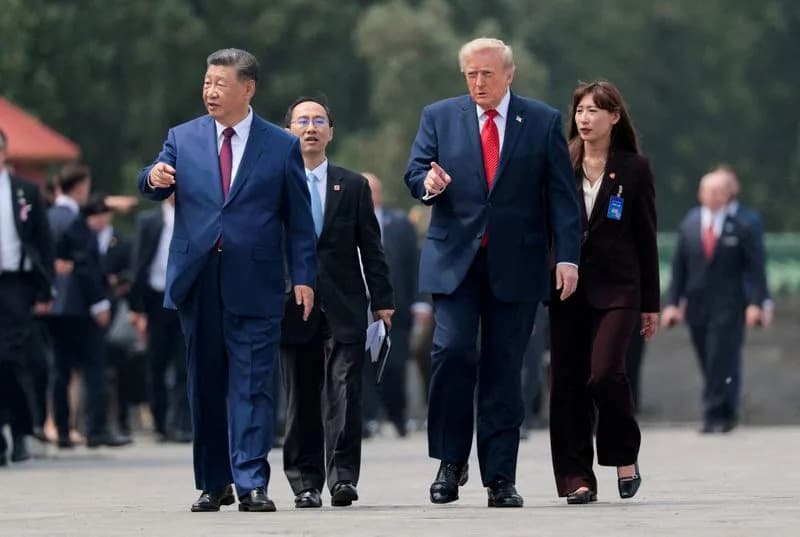
Despite trade frictions and previous rounds of tariffs, Wang described recent high-level interactions between President Trump and President Xi Jinping as "heartening," saying frequent contact at the top has helped stabilize the relationship. U.S. and Chinese officials have said Trump and Xi could meet up to four times this year, beginning with a three-day trip to China by Trump scheduled to start March 31. Xi may make a reciprocal visit to the U.S., attend the G20 summit in Miami in December, and host APEC in Shenzhen, where Trump could attend in November.
Wang called 2026 a "big year" for bilateral ties and urged both sides to prepare thoroughly, manage risks, and "remove unnecessary disruptions." One such potential disruption, he noted, is the ongoing U.S.-Israeli strikes in Iran—an issue that could complicate summit preparations given Tehran’s ties with Beijing. Wang reiterated calls for an immediate halt to military action, a return to dialogue, and respect for international law, warning that "the law of the jungle must not return and rule the world."
While the annual press conference is carefully scripted, Wang’s remarks provide a clear snapshot of how Beijing wants to frame its global role: influential but opposed to bilateral domination of world affairs, and committed publicly to a multipolar order that includes the voices of many nations.
Help us improve.