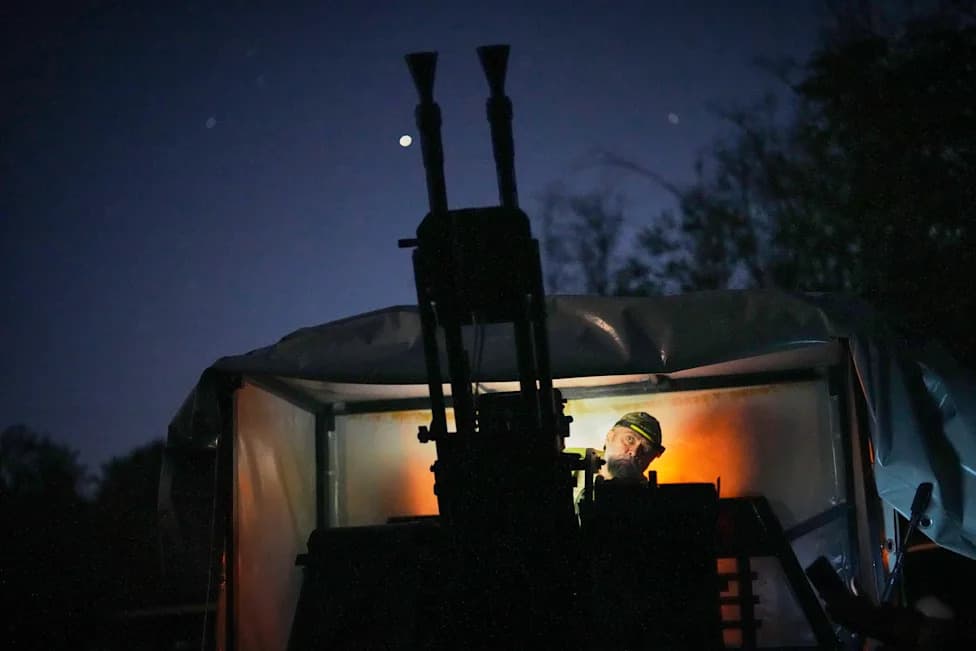
Key Takeaway: A Fox News segment misidentified footage of a Ukrainian STING interceptor, highlighting Ukraine's advanced counter‑drone experience. Kyiv has offered to share four years of lessons with the U.S. and Gulf partners, but experts stress there is no quick, off‑the‑shelf fix. Cost imbalances (roughly $10–12M PAC‑3 Patriots vs. ~$50k Shahed drones) and the need to build layered, networked defenses mean training and integration will take time.
Ukraine Offers Drone-Defense Expertise to U.S. and Gulf Allies — But Real Solutions Will Take Time
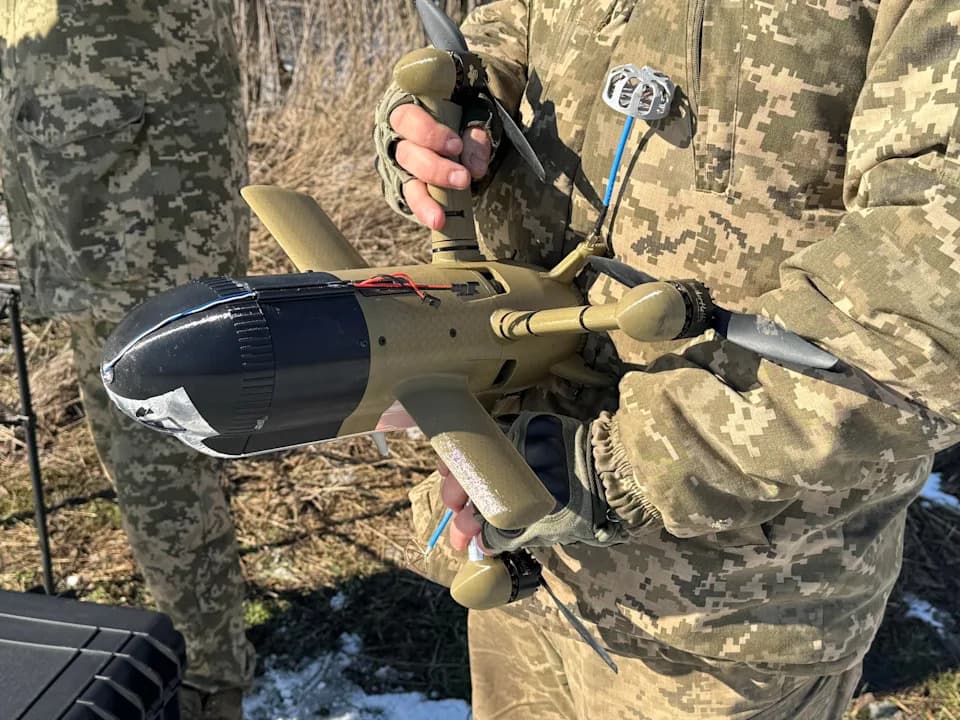
A Ukrainian soldier holds a Sting interceptor drone before a test flight on Feb. 22, 2026 ,in Dnipropetrovsk Oblast, Ukraine. The interceptor can be controlled using VR glasses or a small ground station. / Credit: Alex Nikitenko/Global Images Ukraine via Getty Images(Alex Nikitenko/Global Images Ukraine via Getty Images)
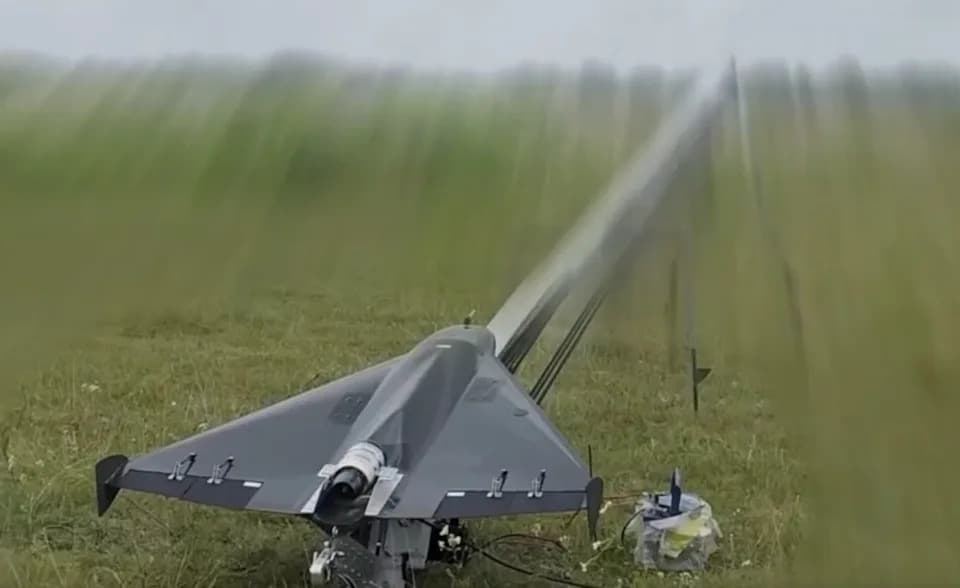
A Fox News segment this week mistakenly showed footage of a Ukrainian STING interceptor while discussing American drone-defense systems, drawing fresh attention to Ukraine's growing reputation for practical counter-drone know‑how and to gaps in regional air-defense readiness as interceptor stocks run low.
Footage Misidentified, Ukrainian Firm Clarifies
Wild Hornets, a Kyiv-based drone company, corrected the broadcast on X, saying the clip showed STING — a Ukrainian interceptor drone designed by Wild Hornets engineers and used by Ukrainian air‑defense units to destroy Shahed-type drones. The error underscored how much battlefield experience Kyiv has accumulated during four years of fighting and prompted U.S. and Gulf interest in that expertise.
Why Ukraine's Experience Matters
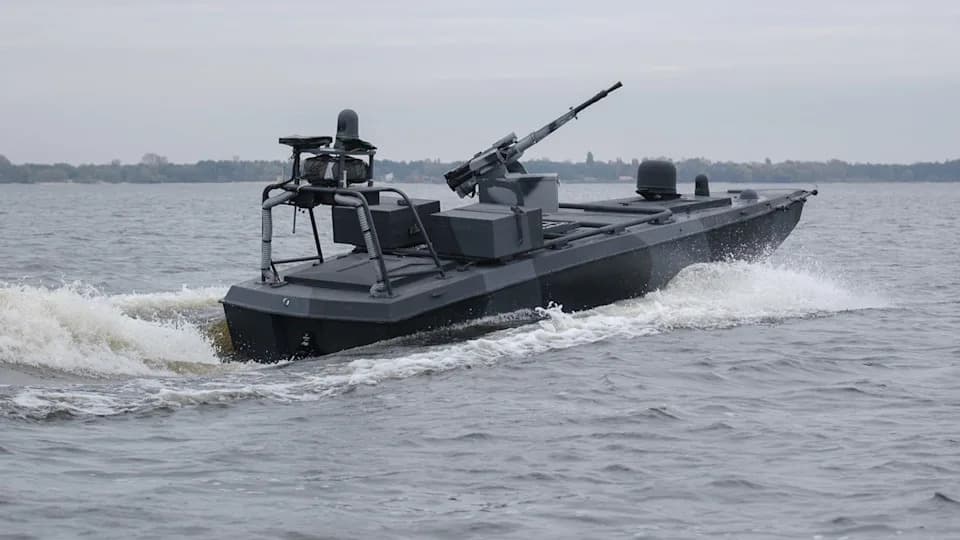
Ukraine has relied less on costly Western systems and more on a layered, cost-conscious approach that combines missile interceptors, low-cost interceptor drones, heavy machine guns, tactical aircraft and integrated radar and command networks. That approach has produced high interception rates but required years of adaptation and sustained operational learning.
"It has taken Ukraine an extremely long time to get their high interception rates. There is no off‑the‑shelf solution that you can just buy," said Robert Tollast of the Royal United Services Institute. "Building a layered system of air defense is resource‑intensive, and it takes time to build that technology into your security forces."
Cost Mismatch Drives Urgency
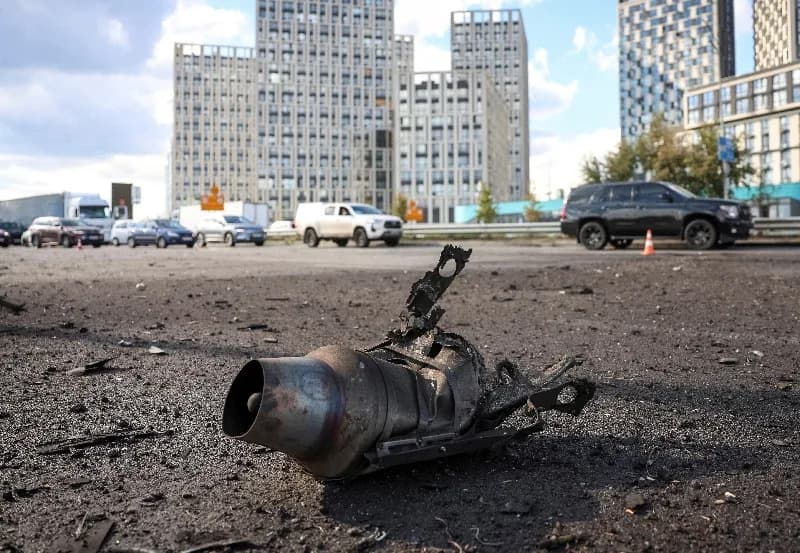
Regional officials told CBS News that Gulf states were quickly running down interceptor inventory after recent strikes. The imbalance is stark: a PAC‑3 Patriot interceptor costs on the order of $10–12 million to produce, while Iranian Shahed attack drones are estimated at roughly $50,000 each. That dynamic has prompted U.S. and Gulf requests for Ukrainian guidance on cheaper, scalable countermeasures.
What Kyiv Can Offer — And What It Can’t
President Volodymyr Zelenskyy said Kyiv will work with the Pentagon and Gulf partners to share lessons from the conflict. Wild Hornets has confirmed it is prepared to support partner nations. But Ukrainian and outside experts emphasize that assistance will be a long‑term partnership rather than a plug‑and‑play remedy.
"We can train an experienced pilot on our drones in three days," Alex Roslin of Wild Hornets told CBS News. "But that does not mean a pilot will be immediately effective. It is about building teams and creating an integrated network of air defense — working with tactical radar units and other teams."
Wild Hornets' STING system is reported to cost as little as about $2,500 per interceptor — a fraction of traditional anti‑air missiles — and the company has claimed that STINGs have helped bring down roughly 3,900 drones over Ukraine since May 2025. Even so, experts warn that transferring doctrine, tactics and networked operations is more complex and time‑consuming than shipping hardware.
Bottom Line
Ukraine's practical counter‑drone experience is in demand, and Kyiv and its manufacturers say they are ready to assist. Policymakers and militaries should expect training, doctrine sharing, and systems integration to take months to years rather than days. The most sustainable path will combine lower-cost interceptors with layered defenses, tactical radars, and sustained operational learning.
Help us improve.