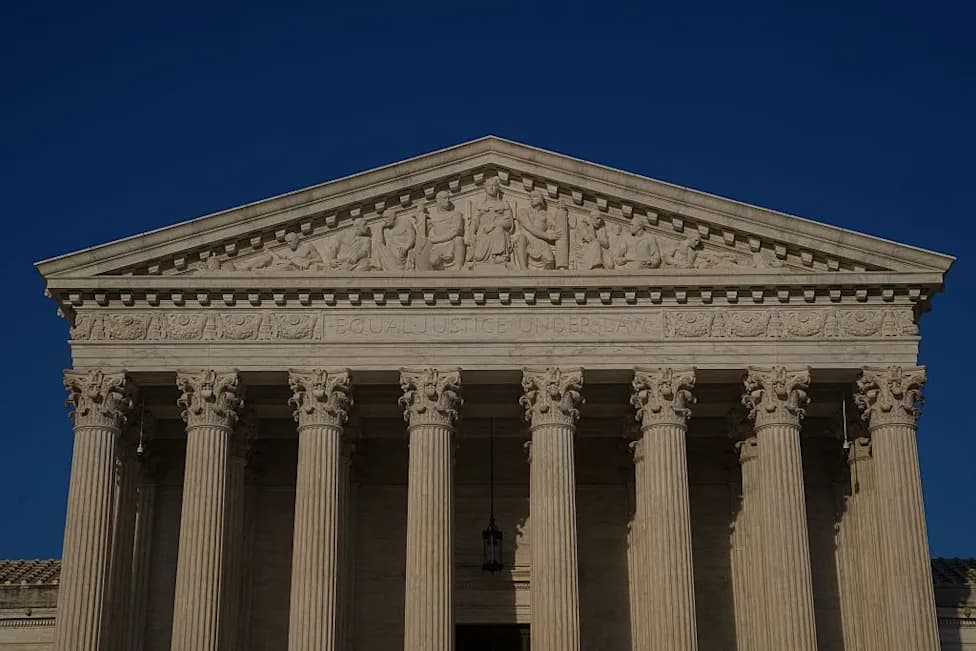
The DOJ has asked the 1st Circuit to pause Judge Brian Murphy's injunction blocking third‑country deportations, arguing the order could disrupt diplomatic coordination and affect "thousands" of removals. Murphy's 81‑page decision said the government's reliance on undisclosed diplomatic "assurances" fails due process. The Supreme Court previously stayed Murphy's initial injunction in a 6–3 emergency order and later ruled 7–2 that enforcement against six detainees to South Sudan would violate that stay. DOJ has asked for expedited appellate review and signaled it may return to the Supreme Court.
DOJ Asks 1st Circuit To Pause Biden‑Appointed Judge’s Block On Third‑Country Deportations After Two Supreme Court Interventions

New U.S. District Judge Brian Murphy speaks during his Investiture Ceremony at the federal courthouse in Boston, Massachusetts, on Sept. 17, 2025.(Reuters)
The Department of Justice has asked the U.S. Court of Appeals for the First Circuit to temporarily pause a broad injunction issued by U.S. District Judge Brian Murphy that blocks the federal government from deporting noncitizens to third countries not listed on their travel documents. DOJ attorneys told the appeals court the order risks disrupting sensitive diplomatic arrangements and could affect potentially "thousands" of deportations.
In an expedited filing, Justice Department lawyers argued Judge Murphy's injunction creates an "unworkable scheme" that "materially impairs the ability of the government to enforce the immigration laws" and would cause "massive operational disruption" in operations that often require precise timing and diplomatic coordination.
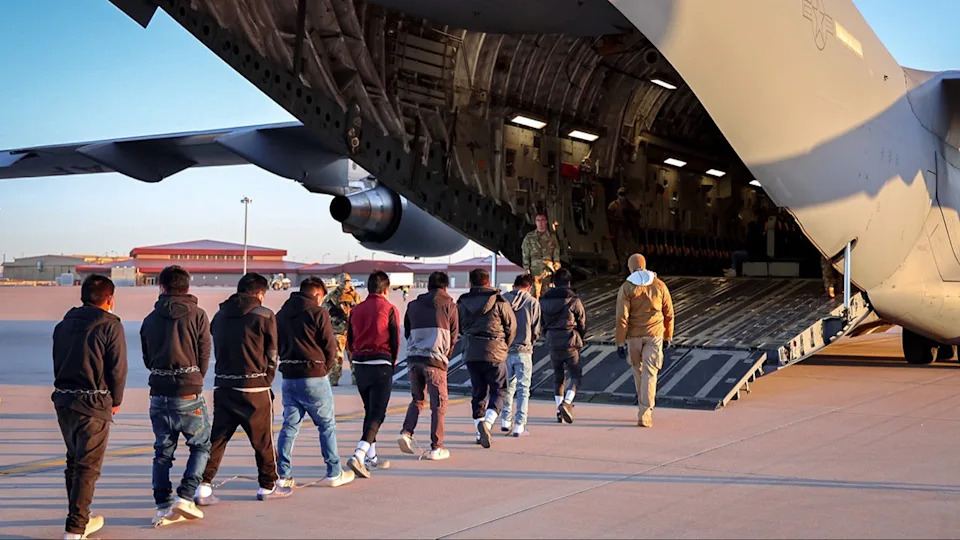
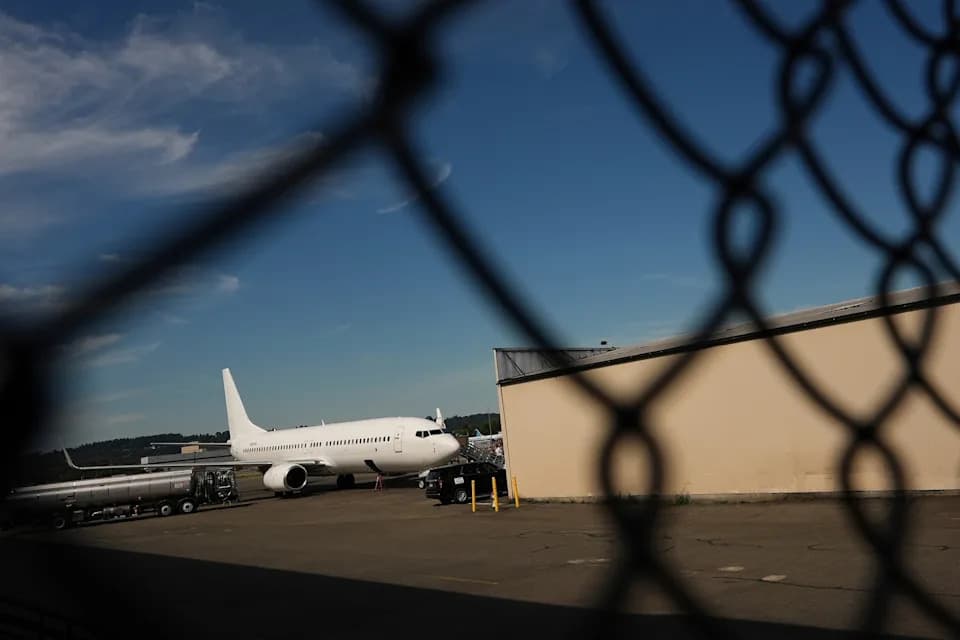
Migrants are seen boarding a U.S. military aircraft.
The lawsuit was brought by several immigrants in Massachusetts with final removal orders. They contend the Department of Homeland Security failed to provide adequate notice to allow them to raise claims—including fear of torture—about being sent to a third country. The plaintiffs say the government relied on undisclosed "assurances" from the destination countries, leaving deportees unable to test whether those assurances truly protect them.
Judge Murphy wrote: "Whom do they cover? What do they cover? Why has the Government deemed them credible? How can anyone even know for certain that they exist? These are basic questions that the Constitution permits a person to ask before the Government takes away their last and only lifeline."
DOJ defended the policy, saying removals to third countries are often based on diplomatic assurances and foreign-policy judgments that the judicial branch is ill-suited to second-guess. The department urged the appeals court to act quickly—requesting action within one week—and signaled it would seek relief from the Supreme Court if necessary.
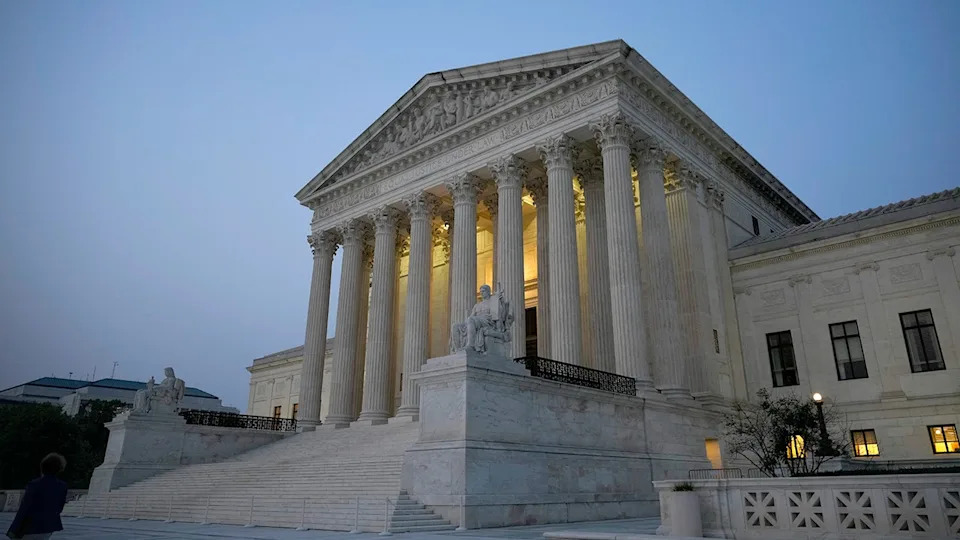
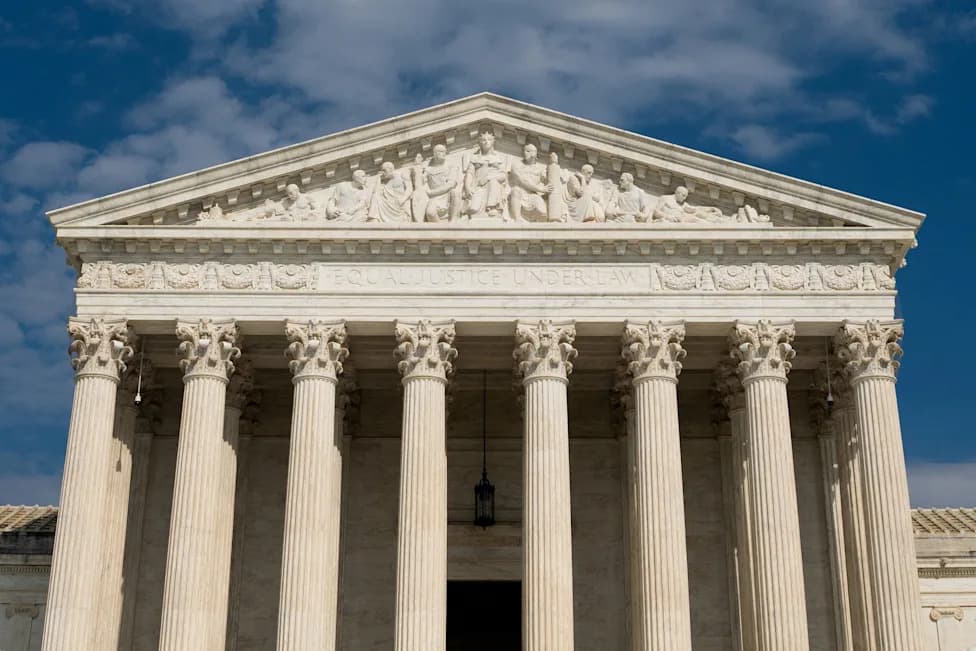
The facade of the Supreme Court building at dusk is shown in this file photo.
The injunction follows an earlier order by Murphy that the Supreme Court stayed in an emergency decision last year by a 6–3 vote. The justices later issued a clarification, concluding 7–2 that Judge Murphy had attempted to enforce the injunction against six detainees bound for South Sudan in a way that violated the Court's stay. With the appeals court now asked to intervene, the dispute could return to the Supreme Court.
Potential Implications
If the appeals court grants DOJ's request, deportations to certain third countries could resume while litigation continues. If the injunction remains in place, the government says its removal operations and diplomatic arrangements could face substantial disruption. The case raises broader separation-of-powers questions about how much courts may review executive-branch assurances in the context of foreign policy and removals.
What To Watch
- Whether the 1st Circuit issues an expedited stay of Murphy's injunction.
- Whether DOJ returns to the Supreme Court if the appeals court declines immediate relief.
- How courts balance due-process protections for deportees against executive foreign-policy prerogatives.
Help us improve.