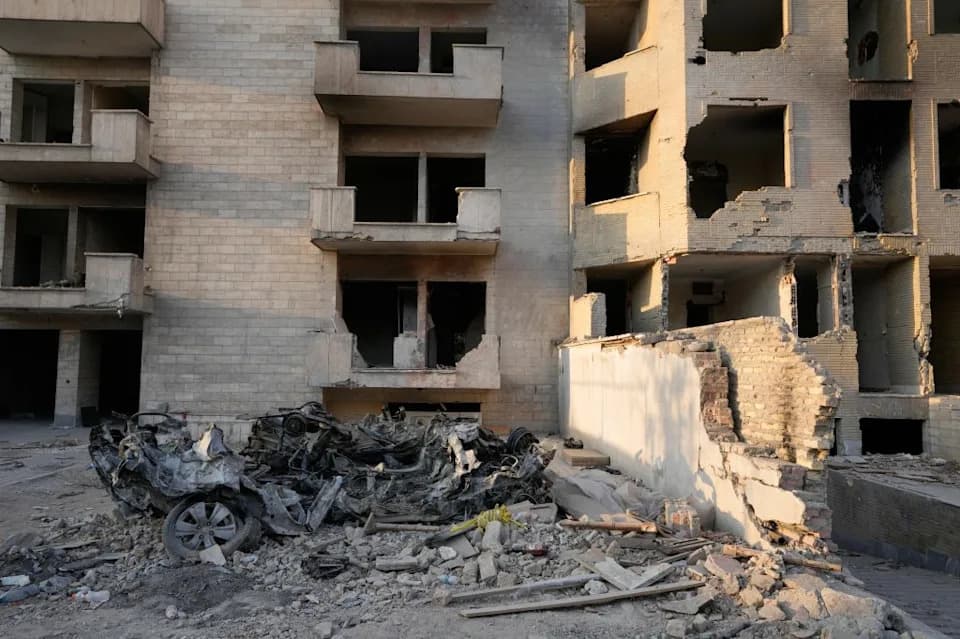
Federal, state and local authorities across the US have increased security measures after a US‑Israel strike on Iran amid fears of retaliatory actions by Iran or Iran‑aligned groups. Law enforcement has placed counterterrorism and intelligence teams on high alert and boosted patrols around vulnerable sites in major cities. Experts warn of both physical attacks and disruptive cyber campaigns targeting banks, energy systems and election infrastructure. Officials stress vigilance and coordination while advising the public not to panic.
US Boosts Domestic Security Amid Fears Of Iranian Retaliation After US‑Israel Strike
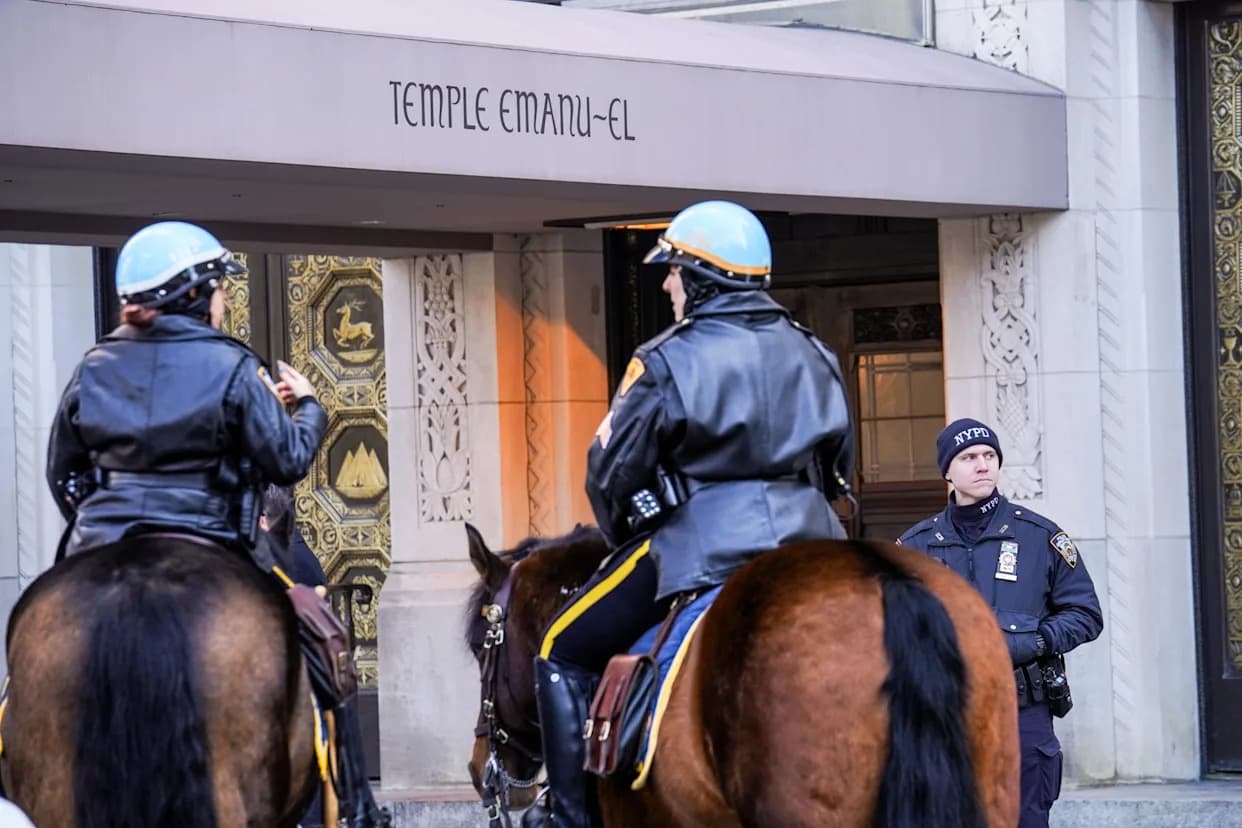
NYPD officers stand guard outside of Temple Emanu-El in February 2026 in New York.Photograph: Ryan Murphy/Getty Images(Photograph: Ryan Murphy/Getty Images)
Federal, state and local authorities across the United States have stepped up security measures amid concerns that Iran or Iran‑aligned groups could carry out retaliatory attacks after a recent US‑Israel strike on Iranian targets.
Officials said law enforcement agencies have increased patrols and protective deployments around vulnerable sites — including places of worship, cultural centers, schools and critical infrastructure — and have placed counterterrorism and intelligence teams on heightened alert.
— Matthew Levitt, director of the counter‑terrorism program at the Washington Institute for Near East Policy.“If there were ever a time when Iran would want to put into place all the different capabilities it’s built up over these years as off‑the‑shelf operational planning … now would be it,”
Following strikes on Iran on 28 February, senior law‑enforcement officials posted on social media and issued internal guidance emphasizing increased readiness and coordination with federal, state and local partners. Public officials in major cities — including Los Angeles, Miami and New York — confirmed enhanced security deployments around sensitive locations.
Rebecca Weiner, deputy commissioner for intelligence and counterterrorism at the NYPD, said New York has been in a “heightened threat environment” since June when the US aided Israel in operations against Iran’s nuclear facilities, and described the recent strikes as “definitely an escalation.” She said the city was using enhanced patrols, specialized resources and partner agencies.
Retired FBI agent Richard Frankel, now an ABC News contributor, noted authorities are deliberately vague about precise deployments to avoid revealing tactics to potential attackers.
Security experts warn of two broad categories of risk: directed, state‑sponsored operations or proxy attacks, and attacks by inspired lone actors or hired operatives. Law enforcement is investigating whether the recent conflict helped motivate the gunman in an Austin, Texas, bar shooting that left two people dead and 14 injured.
Levitt recalled a 2016 case in which an individual claiming to be a sleeper agent for a Hezbollah‑linked group told the FBI that a US‑Iran conflict could activate clandestine networks. "Iran could attack through operatives that they have here of their own, or guns for hire from crew organizations, or just by inspiring people to carry out acts of terrorism," he said.
Cyber Threats
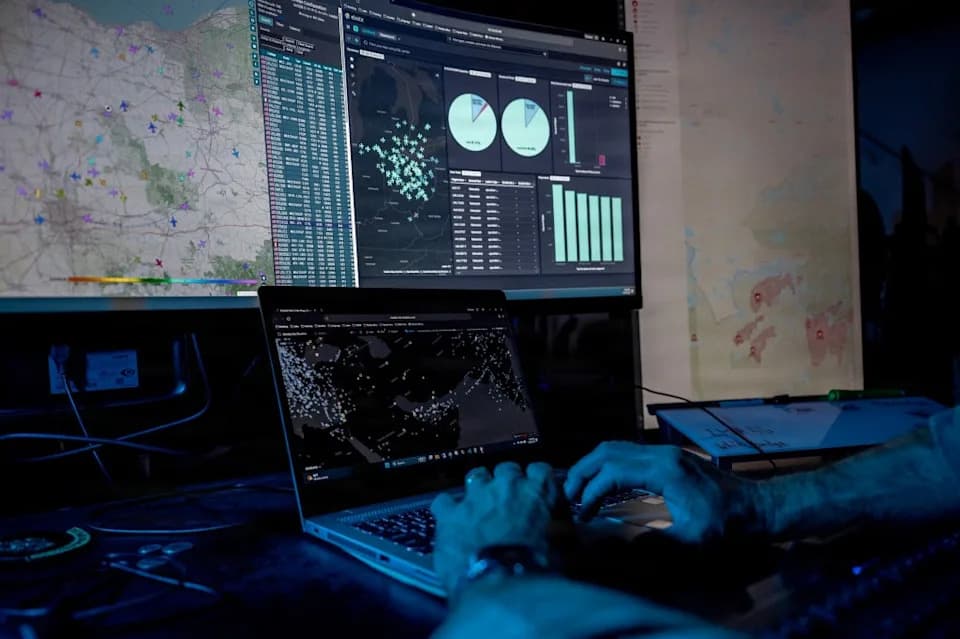
Experts also emphasize significant cyber risks. Iran has previously conducted distributed denial of service (DDoS) attacks against US banks in retaliation for cyber operations such as Stuxnet. Jake Braun, executive director of the Cyber Policy Initiative at the University of Chicago, warned that renewed cyberattacks could disrupt online banking, spread disinformation during elections, and target critical infrastructure such as water and energy systems.
"We could see campaigns that affect energy markets or other parts of critical infrastructure," Braun said, noting that civilian utilities and many private-sector entities often lack the same defensive support given to military or federal systems.
Capacity Concerns
Some analysts cautioned that recent personnel and organizational changes in federal agencies could complicate the response. Reporting has indicated that agents and staff have been reassigned or reduced in certain counterintelligence and field units, potentially eroding institutional experience and resources devoted to cybercrime, terrorism and other threats. Experts said that while the US retains substantial capabilities, counterterrorism work requires sustained attention: defenders must be right every time, while attackers need succeed only once.
What Officials Are Saying
Despite the heightened precautions, officials have not urged public alarm. Authorities encourage vigilance and routine precautions. As Frankel put it: "You don't need to change everything you do, but be aware of your surroundings — and if you see something, say something."
Reporting cites public statements and contemporaneous media reports. Some social‑media attributions in early coverage were inconsistent; this article relies on official agency statements and multiple news reports for verification where possible.
Help us improve.