Key takeaway: CSIS estimates the US share of the US–Israeli campaign against Iran cost about $3.7 billion in the first 100 hours — roughly $891.4 million per day — with approximately $3.5 billion unbudgeted. The report says more than 2,000 munitions were expended (replenishment estimated at $3.1 billion), and warns the Pentagon may need supplemental funding, a move likely to spark political debate amid mounting civilian casualties.
CSIS: US Share of US–Israeli Campaign Cost $3.7bn in First 100 Hours, Most Unbudgeted
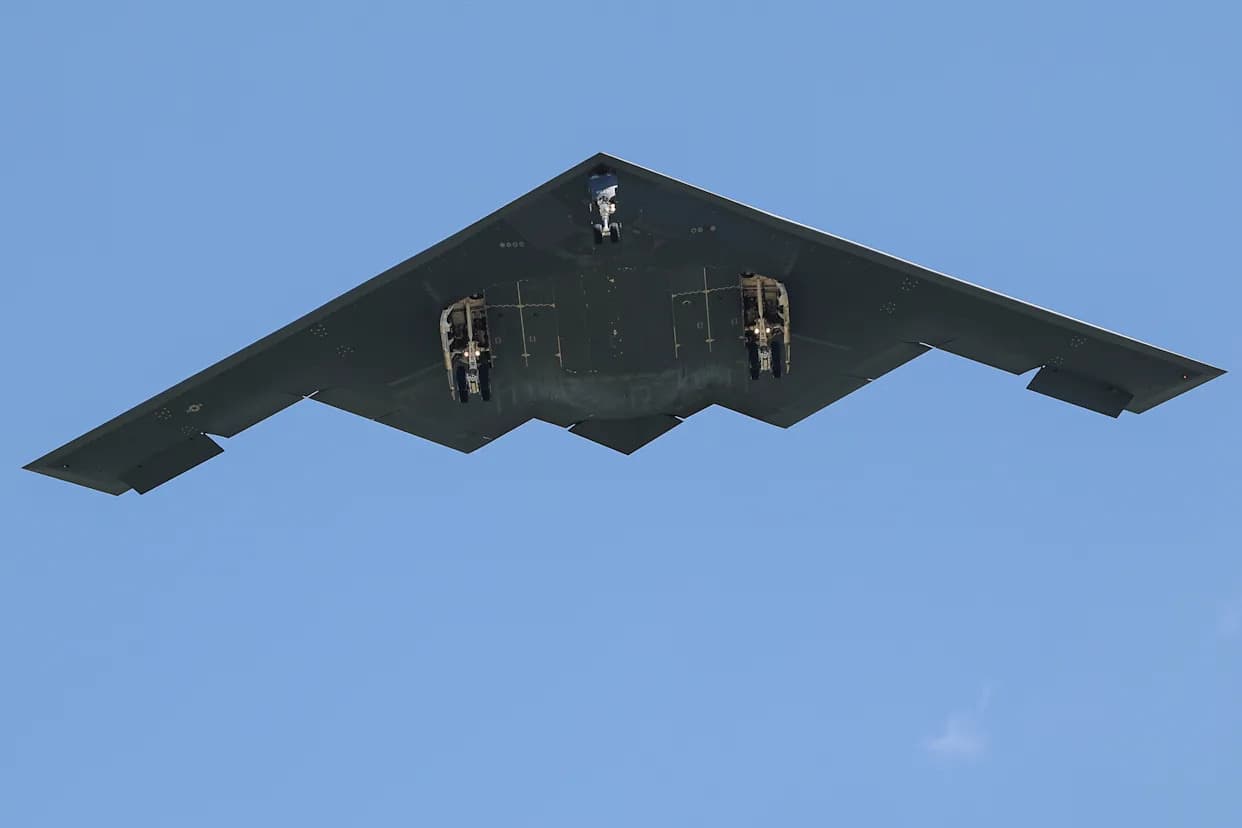
A US B-2 bomber, like those used in the ongoing attacks in Iran, returns from a massive strike on Iranian nuclear sites last year [File: David Smith/AP]
The Center for Strategic and International Studies (CSIS) estimates that the United States' share of the US–Israeli campaign against Iran cost roughly $3.7 billion in the first 100 hours — about $891.4 million per day — driven largely by heavy munitions use and intensified air operations.
Cost Breakdown and Methodology
CSIS researchers Mark Cancian and Chris Park calculated the figure by drawing on Congressional Budget Office (CBO) operations-and-support cost estimates, adjusting for inflation and unit size, and adding a 10% premium to reflect a higher operational tempo. Their analysis finds most early costs were not previously budgeted: about $3.5 billion of the $3.7 billion estimate is unbudgeted, leaving roughly $200 million already accounted for in existing budgets.
Munitions Use and Replenishment Needs
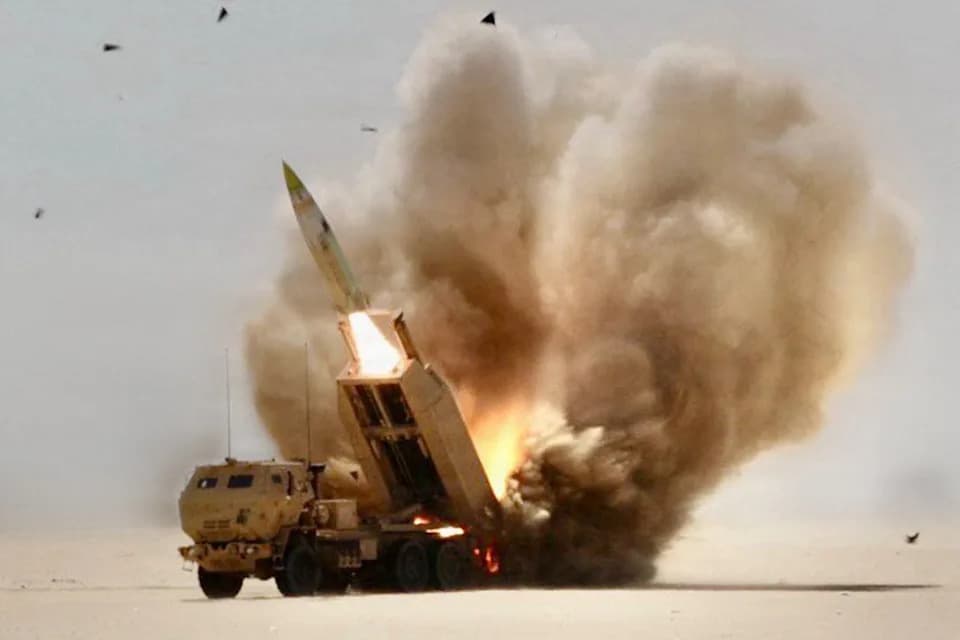
The analysis estimates US forces expended more than 2,000 munitions of various types during the opening 100 hours. Replenishing those stocks on a like-for-like basis would cost an estimated $3.1 billion, with resupply needs rising by approximately $758.1 million per day if the pace of operations continues.
Budget Implications and Political Fallout
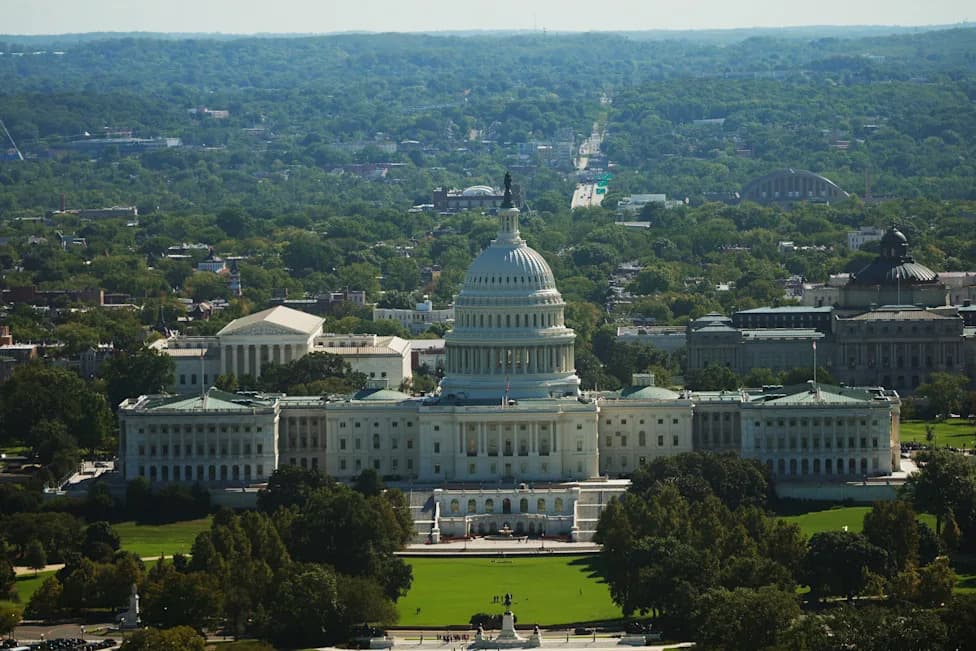
Because much of the cost is unbudgeted, CSIS says the Pentagon will likely seek additional funding soon. That could take the form of a supplemental appropriation — a politically sensitive move that historically has drawn strong public and congressional debate (the George W. Bush administration sought supplemental war funding early in the Iraq and Afghanistan conflicts).
"Any funding action will become a focal point for opposition to the war," the CSIS report warns, noting that seeking supplemental funds may sharpen domestic political divisions amid concerns about inflation, living costs and rising fuel prices tied to the conflict.
Operational Outlook
CSIS notes that air campaigns often slow after an intense opening period, but cautions that even a reduced tempo will continue to produce substantial unbudgeted costs. Pentagon officials quoted in media have warned that operations could expand with more squadrons, defensive capabilities and bomber sorties if the campaign intensifies.
Human Toll
The report also highlights the humanitarian consequences. Iranian authorities and the Iranian Red Crescent say more than 1,332 people have been killed in Iran since the bombardment began, including at least 181 children according to UNICEF. In Lebanon, the Ministry of Public Health reports at least 123 deaths in recent strikes. CSIS also notes military casualties reported across the region: at least six US service members, 11 people in Israel, and nine fatalities in Gulf Arab countries have been reported.
What This Means: The CSIS analysis signals a substantial and largely unplanned fiscal burden from the early days of the campaign. Policymakers will face trade-offs between funding operations, domestic priorities and the political costs of requesting supplemental appropriations.
Help us improve.