
Gulf Arab states warn they are running dangerously low on missile interceptors and have asked the U.S. to speed up deliveries, while Washington says munitions stocks are sufficient. Hundreds of Iranian-launched drones have further strained defenses, and some officials suspect Tehran may be trying to pressure Gulf governments to influence U.S. policy. Diplomatic gaps—many ambassadorial posts unfilled and lean staffing at the NSC and State—are hampering coordination. Arrests in Qatar and concerns about sleeper cells, Shiite radicalization and potential Kurdish involvement add to regional instability.
Gulf States Warn of Critical Interceptor Shortage as Iran Attacks Escalate
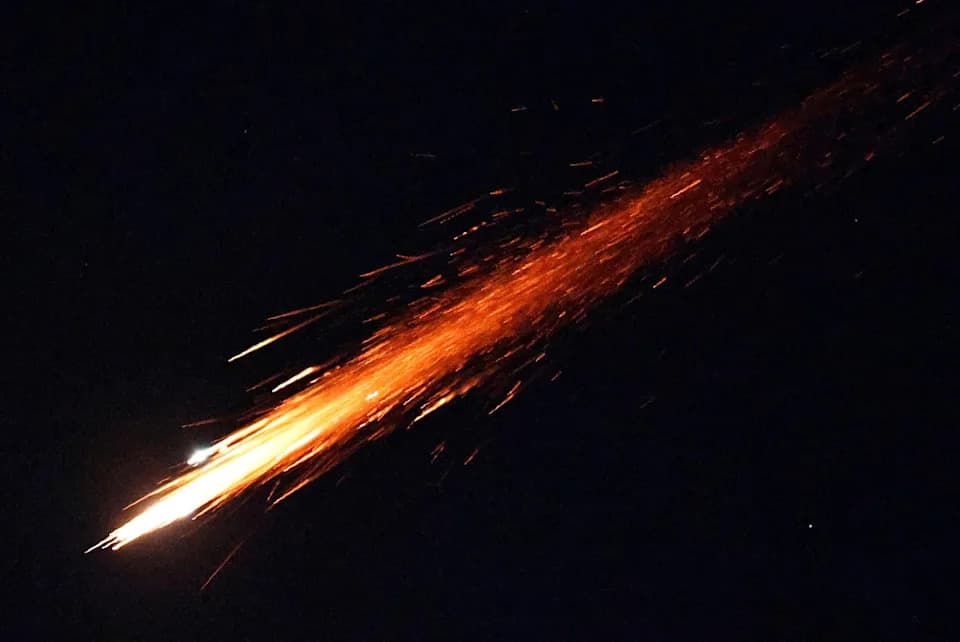
A missile launched from Iran is intercepted amid the U.S.-Israeli conflict with Iran, in Ashkelon, Israel, March 4, 2026. / Credit: Reuters/Amir Cohen(Reuters/Amir Cohen)
Regional officials have warned that Arab states across the Persian Gulf are approaching a dangerous shortage of missile interceptors needed to defend against Iranian-fired missiles, CBS News reports. Governments in the region have asked Washington to speed up deliveries. U.S. officials say a task force is being formed to accelerate shipments, but Gulf leaders contend the pace remains slower than required.
Defense Strains: Missiles and Drones
Officials said the situation is further complicated by the hundreds of drones Iran has launched in recent operations, stretching air defenses and munitions stocks. Some regional sources speculated that Tehran may be striking Gulf countries in part to pressure them into urging the United States to seek an end to the conflict.
At the Pentagon, Air Force Gen. Dan Caine, chairman of the Joint Chiefs of Staff, pushed back on claims of a shortfall, telling reporters there were sufficient "precision munitions for the task at hand, both on the offense and defense." The discrepancy between Gulf warnings and U.S. public statements underscores competing assessments of readiness and urgency.
Diplomatic Gaps Hamper Coordination
Three regional officials told CBS News that communications with Washington are strained. More than a year into his term, President Trump had not yet sent ambassadors to several countries in the region, including Lebanon, Jordan and Qatar, leaving some missions led by charge d'affaires instead of full ambassadors. Saudi Arabia, the United Arab Emirates and Kuwait were among the locations cited as lacking presidential representatives.
Complicating matters, the National Security Council and the State Department are operating with smaller staffs compared with earlier administrations, reducing points of contact for day-to-day coordination. The president's personal envoys, Steve Witkoff and Jared Kushner, are reported not to handle routine country management.
One high-profile nomination, Amer Ghalib, the former mayor of Hamtramck, Michigan, ran into trouble during confirmation hearings for the Kuwait ambassadorship amid questions about past antisemitic and inflammatory social media posts.
Wider Regional Security Concerns
Beyond threats from Iranian-launched missiles and drones, Kuwait has experienced incoming fire from militias in neighboring Iraq, with missiles and drones striking civilian areas. In Qatar, authorities detained 10 people believed to be Iranian agents on suspicion of planning attacks, raising concerns about sleeper cells and radicalization among some Shiite communities in countries such as Bahrain.
Officials also warned that the involvement of Kurdish fighters crossing into Iran could inject a sectarian dimension into an already volatile conflict and heighten tensions with Turkey, which remains sensitive to Kurdish separatist activity.
Bottom line: Gulf states say defenses are strained and want accelerated U.S. support, while U.S. officials publicly assert munitions are sufficient. Diplomatic vacancies and thin staffing complicate coordination as regional security risks multiply.
Help us improve.





















