
Jeffrey Halstead, a retired police chief and former Homeland Security commander, warned that the partial DHS shutdown could slow intelligence sharing and delay responses to domestic terror threats during heightened tensions with Iran. He pointed to the recent Austin shooting—being investigated as a potential terrorism case—and said reduced staffing and paused programs risk slower warnings for local police. DHS Secretary Kristi Noem said the department is coordinating with federal partners while lawmakers remain divided over funding. Halstead urged that prolonged shutdowns could heighten vulnerabilities ahead of major U.S. events.
DHS Shutdown Could Slow U.S. Terror Response as Iran Tensions Rise, Expert Warns
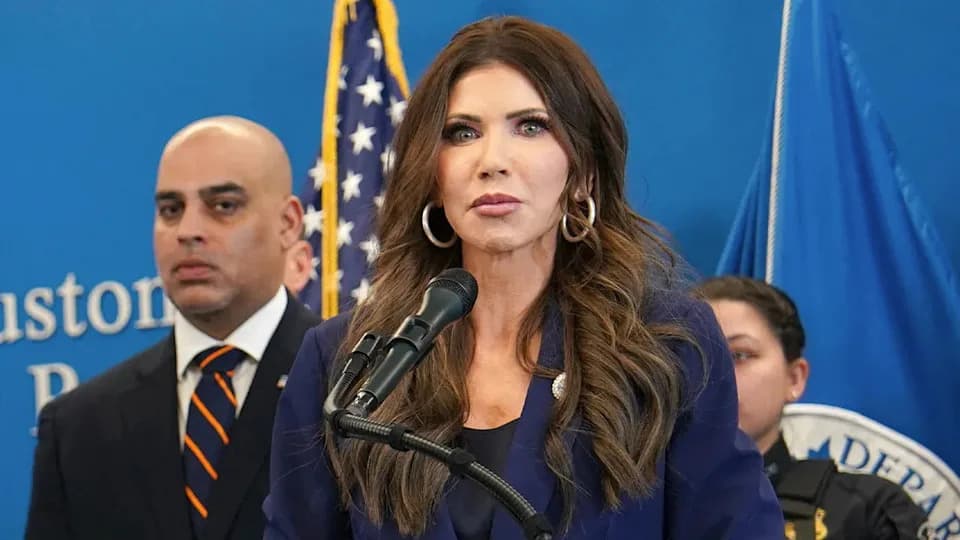
The partial government shutdown of the Department of Homeland Security could impact how the federal government is able to address potential terror threats in the U.S., a public safety expert warned.(Reuters)
The partial shutdown of the Department of Homeland Security (DHS) may hinder the federal government's ability to share intelligence and respond quickly to potential terrorist threats inside the United States, a public safety expert warned amid rising tensions with Iran.
Jeffrey Halstead, a retired Fort Worth police chief and former Homeland Security commander for Phoenix police, told Fox News Digital that recent U.S. military actions have the potential to "escalate the mindset of some of these outlying or outlier terrorist entities" and motivate attacks targeting Americans.
Halstead said past conflicts—especially in the Middle East—show how military engagements can slow the flow of time-sensitive intelligence and complicate information sharing among federal and local partners. "With the current Department of Homeland Security shutdown, if something were to occur here in the United States, there could be some significant delays because FEMA and other very, very critical divisions of the federal government are basically shut down," he said.
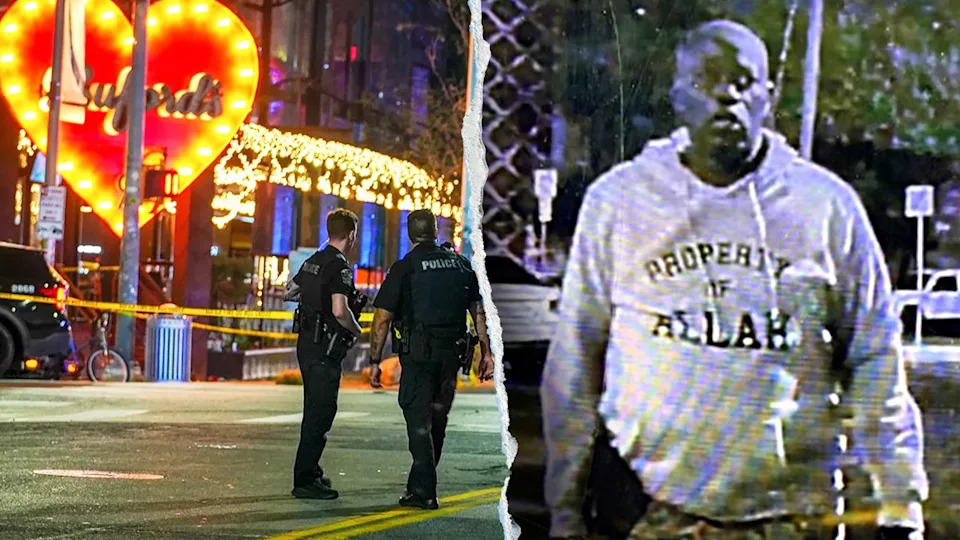
Police secure the scene outside Buford's Backyard Beer Garden in downtown Austin after a shooting that left three people dead and more than a dozen wounded.
Austin Shooting and Terror Investigation
Authorities are investigating a recent mass shooting in Austin, Texas, as a potential terrorism case. The attacker, identified as 53-year-old Ndiaga Diagne, a naturalized U.S. citizen born in Senegal, was killed at the scene. Two people were confirmed dead and 14 others were wounded.
Investigators reported that the suspect wore a sweatshirt bearing the words "Property of Allah" and an undershirt with the Iranian flag. A Quran was recovered from his vehicle, and an Iranian flag and images of Iranian regime leaders were found at his home. Officials have described the case as consistent with a lone-wolf profile under FBI review, but Halstead said he has seen no evidence directly linking the shooting to the DHS shutdown.
How the Shutdown Could Affect Local Responders
Halstead warned that reduced staffing, paused programs and constrained resources during a shutdown can delay or impede the delivery of critical intelligence to local law enforcement. "This will delay and possibly impede some of that critical intelligence, which could be terroristic threat-level intelligence, that needs to be in the hands of local police," he said, stressing that beat officers and supervisors rely on timely warnings about evolving threats and high-profile targets.
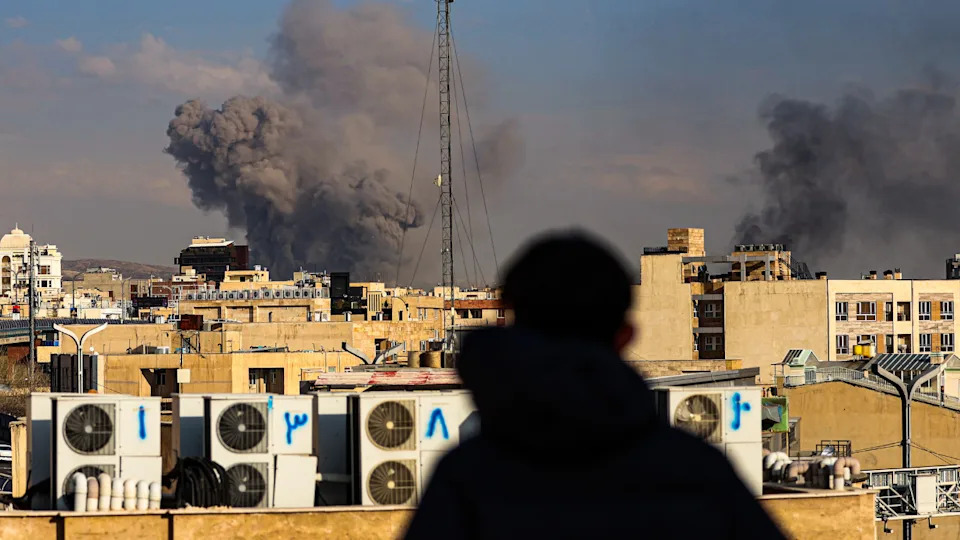
A general view of Tehran with smoke visible in the distance after explosions were reported in the city, on March 2, 2026, in Tehran, Iran.
"Delays could be very, very catastrophic," Halstead said, noting that timely communication between federal agencies and local responders is essential to prevention and rapid response.
Political Response and Ongoing Tensions
DHS Secretary Kristi Noem said she is "in direct coordination with our federal intelligence and law enforcement partners as we continue to closely monitor and thwart any potential threats to the homeland." Lawmakers have traded blame over the shutdown: Republican officials, including President Donald Trump and House leaders, fault Democrats, while some Democratic and independent senators stress there is no direct link between specific DHS programs and the Iran conflict.
Senator Tim Kaine (D-Va.) noted that DHS retains some funding from prior appropriations, while Senator Angus King (I-Maine) told The Hill he sees no direct relationship between agencies such as FEMA and the foreign conflict. Republicans counter that heightened tensions make DHS funding more urgent, with House Majority Leader Steve Scalise warning of elevated domestic threats following recent strikes and warnings from federal law enforcement.
Halstead added that prolonged political infighting and repeated shutdowns erode operational readiness and morale: "This is probably some of the worst infighting I think I've seen in almost 40 years," he said.
Looking Ahead
Halstead urged policymakers to consider how a continued shutdown could increase vulnerabilities ahead of major events later this year, including international sporting events and large public celebrations. He emphasized that ensuring clear, rapid intelligence flows to local law enforcement is essential to mitigating risk and protecting the public.
Help us improve.





















