The FAA unexpectedly issued a 10-day airspace closure over El Paso on the night of Feb. 10; the order took effect at 11:30 p.m. and was lifted around 7 a.m. the following morning. Texts from airport staff obtained by POLITICO show officials were left scrambling for information and criticized the lack of federal communication. Authorities offered competing explanations—ranging from a drug-cartel drone incursion to a dispute over a CBP laser anti-drone system—and at least a dozen flights were canceled. The incident raised questions about coordination among the FAA, DOD and border agencies.
‘Insane’: Texts Reveal El Paso Airport’s Shock After Sudden FAA Airspace Shutdown
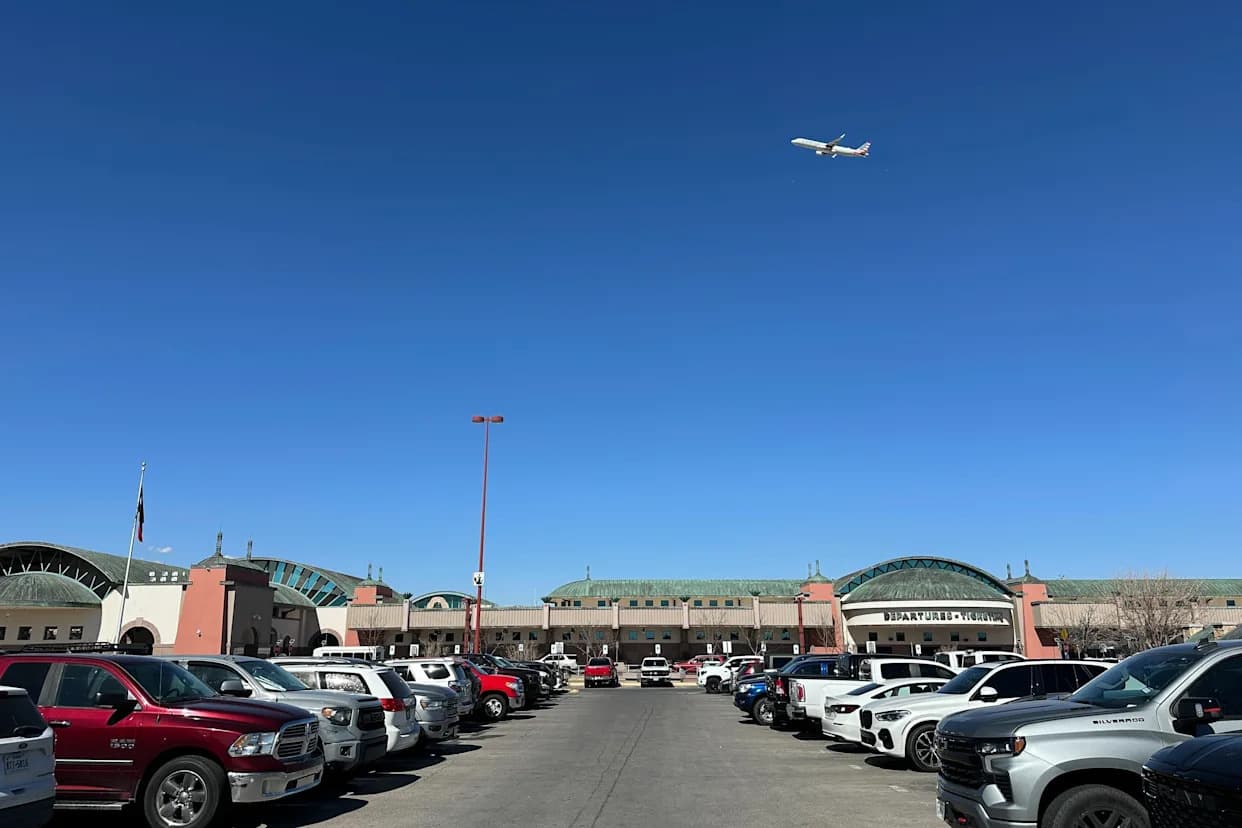
On the night of Feb. 10, staff at El Paso International Airport were blindsided when the Federal Aviation Administration issued a 10-day airspace closure over the Texas border city. The restriction went into effect at 11:30 p.m., but by the next morning—around 7 a.m.—the FAA abruptly lifted it, leaving airport officials, airlines and passengers scrambling overnight.
Chaos Behind the Scenes
City employees’ group texts obtained by POLITICO show the confusion and frustration that followed the notice. Alexander Rao, the airport operations manager, texted colleagues at about 9:50 p.m.: “so far this is no BS.” Shawn K. Naegele, the airport’s security manager, asked, “Anyone else to call?” Rao suggested, “FBI?” Aviation Director J. Antonio “Tony” Nevarez warned, “It’s going to be a long night.”
“All they said is Not an error. It came Through their management about an hour ago,” Rao wrote after calling an FAA hotline. “The guy on the phone was no help,” Nevarez later said.
The messages paint a picture of officials hunting for answers amid limited information from federal authorities. At one point, Rao said air traffic control’s order was “no aircraft at all. Including medflights which have been granted leeway in the past.” Nevarez responded, “Insane,” and asked whether anyone had the morning’s “5–9 ish” flight schedule; the airport handles roughly 4 million passengers a year.
Conflicting Explanations
Federal officials offered competing explanations for the disruptive order. Transportation Secretary Sean Duffy blamed a drug cartel drone “incursion.” Others said the closure stemmed from a dispute between the FAA and the Defense Department over a laser system Customs and Border Protection had deployed to counter drones; The New York Times reported that CBP struck a party balloon.
POLITICO reported that the FAA and CBP did not respond to requests for comment; the Department of Defense directed inquiries to the FAA. The mixed accounts underscore apparent coordination problems between the air-safety agency and the military and border agencies.
Notices, Intelligence and Response
A NOTAM (Notice to Air Missions), the FAA’s alert to pilots and aviation personnel, was circulated in the hours before the ban; a TSA intelligence analyst is quoted in texts as saying the NOTAM was issued through “DOW,” the administration’s shorthand for the Department of Defense. Airport officials also received a TSA intelligence assessment—marked unclassified but for official use only—noting the FAA was “tracking ongoing efforts to counter potential UAS threats emanating from Mexico.” UAS means Uncrewed Aircraft System.
El Paso officials considered opening an emergency operations center and coordinated with local law enforcement; one police official noted any street closures would have to go up the chain of command. At least a dozen flights were canceled during the disruption.
By about 7 a.m. on Feb. 11, Rao confirmed the ban had been rescinded. Hours later, a lighter moment in the group chat showed Shane Brooks, assistant director of aviation development, sending a picture of a rabbit speaking into a walkie-talkie captioned, “WTF, OVER.”
What It Means
The episode highlights how rapidly issued airspace restrictions can upend airport operations and reveals gaps in communication among federal agencies and local operators. Officials and lawmakers may pursue further review to determine why the NOTAM was issued, what intelligence supported it, and how coordination can be improved to avoid similar disruptions.
Help us improve.