OpenAI is reportedly considering a contract to deploy its AI systems on NATO's 'unclassified' networks, days after agreeing to provide services to the Pentagon. The Wall Street Journal reported CEO Sam Altman accidentally referenced 'classified' networks but the company clarified he misspoke and the scope is limited to unclassified systems. Anthropic was removed from Pentagon talks amid concerns over mass domestic surveillance and autonomous weapons, and OpenAI has stated its systems will not be intentionally used for domestic surveillance of U.S. persons and nationals.
OpenAI Eyes NATO Deal To Deploy AI On 'Unclassified' Networks After Pentagon Agreement
FILE PHOTO: OpenAI logo is seen in this illustration taken May 20, 2024. REUTERS/Dado Ruvic/Illustration/File Photo
March 3 (Reuters) - OpenAI is reportedly evaluating a contract to place its artificial intelligence systems on NATO's 'unclassified' networks, a source familiar with the matter said on Tuesday. The potential move comes days after the company reached an agreement to deploy technology on the Pentagon's classified network.
The Wall Street Journal first reported that OpenAI was exploring an arrangement with the North Atlantic Treaty Organization. The newspaper said CEO Sam Altman initially told staff he intended deployment across NATO's classified networks, but a company spokeswoman later said Altman had misspoken and that discussions were limited to NATO's 'unclassified' systems.
NATO, a 32-member military alliance, did not immediately respond to a request for comment outside regular business hours.
Background: Pentagon Deal And Industry Fallout
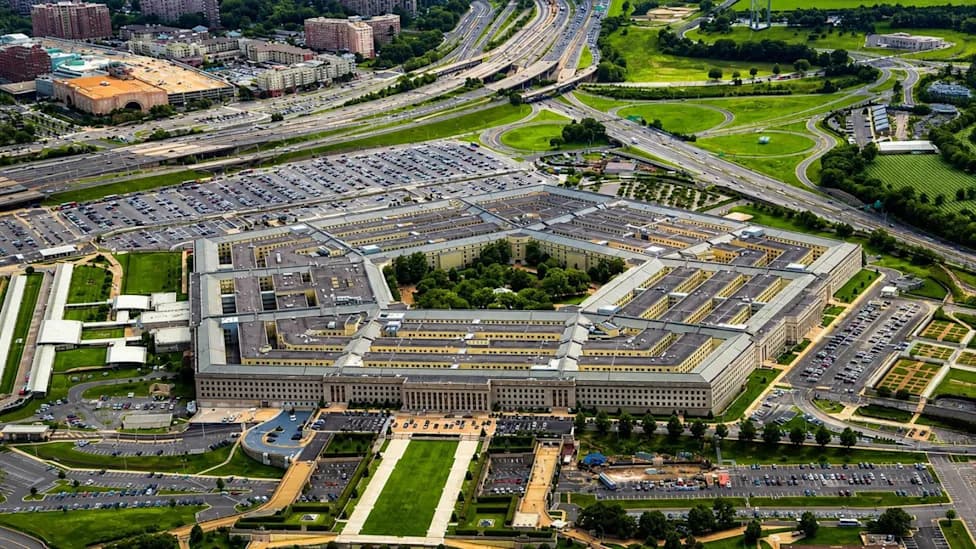
OpenAI, backed by investors including Microsoft and Amazon, announced last week it would deploy its systems on the Pentagon's classified network. That agreement followed U.S. government direction to pause work with rival Anthropic, which had been in talks with the Pentagon.
MASS SURVEILLANCE Concerns
Anthropic's exclusion came after a standoff in negotiations over potential uses of its models. Anthropic CEO Dario Amodei had emphasized the firm's opposition to using AI for mass domestic surveillance or to power fully autonomous weapons.
The Pentagon has said it does not intend to use AI for mass surveillance of Americans or to develop weapons that operate without human control, while also arguing that lawful uses of AI should be allowed.
After the Pentagon agreement, OpenAI issued an updated statement saying its AI systems 'shall not be intentionally used for domestic surveillance of U.S. persons and nationals,' and that the Pentagon had affirmed AI services would not be used by intelligence agencies such as the National Security Agency (NSA).
Altman on the decision: "I think this was an example of a complex, but right decision with extremely difficult brand consequences and very negative PR for us in the short term," he said in a company meeting, according to the Wall Street Journal.
The situation highlights growing tension between technology firms' ethical concerns about AI and governments' interest in deploying advanced capabilities for defense. How NATO and other allies proceed could set important precedents for military use of commercial AI systems.
(Reporting by Abu Sultan in Bengaluru; Writing by Shubham Kalia; Editing by Alan Barona and Kate Mayberry)
Help us improve.