The author honors Bishop Reginald T. Jackson and former Congressman Dick Zimmer and uses their bipartisan example to argue that education reform today requires unlikely alliances. Drawing on the 2nd Edition Educational Opportunity in America Survey of more than 23,000 families, the piece shows strong cross‑partisan support for free tutoring, summer camps and open enrollment, while ESAs and charter schools split opinion. The article recommends building broad coalitions, practicing issue discipline, and pragmatically packaging policies to win durable reform.
Education Reform Needs Unlikely Allies: Building Cross‑Party Coalitions That Deliver

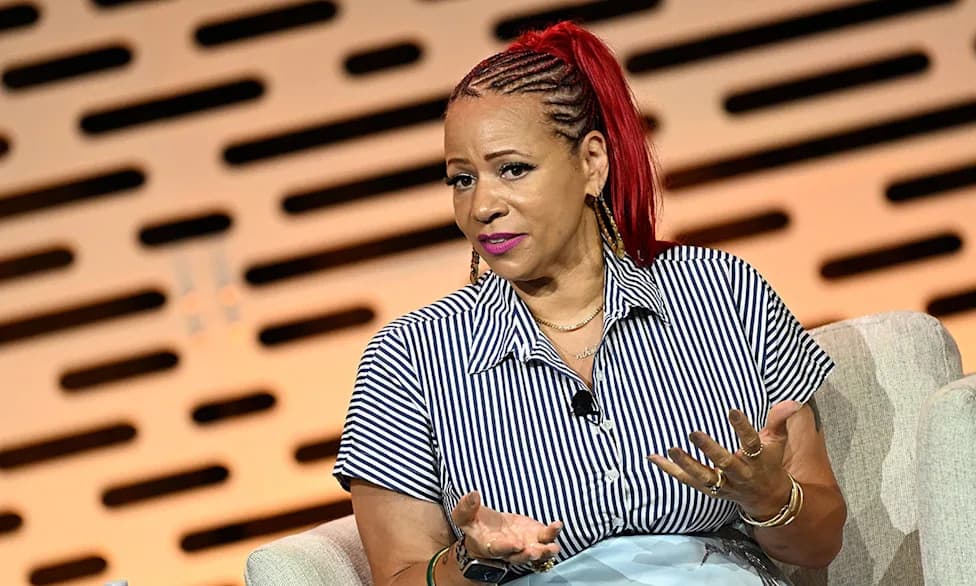
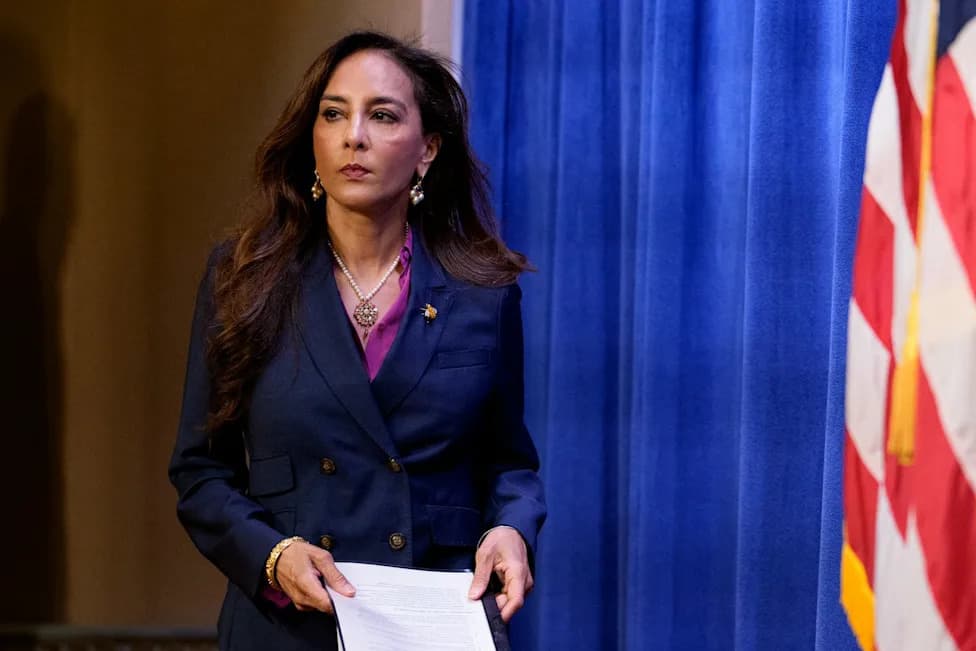
This winter I mourned the passing of two men whose bipartisan leadership shaped state education reform: Bishop Reginald T. Jackson of Atlanta and former Congressman Dick Zimmer of New Jersey. Bishop Jackson, a former New Jersey school board member and civil‑rights leader, later became a voting‑rights advocate in Georgia. Dick Zimmer, a Yale Law School graduate and Republican, is widely remembered for sponsoring Megan’s Law.
Why Unlikely Alliances Matter
I knew both as board members early in my career in education policy. I learned from what they said—and from what they left unsaid. Their curiosity and willingness to work with unlikely partners helped power what many recall as a golden era of state reform. That spirit is instructive today.
When I reviewed the 2nd Edition of the Educational Opportunity in America Survey (50CAN and Edge Research), which polled more than 23,000 American families about their education preferences and experiences, several findings stood out. In an age of intense polarization and algorithms that reward outrage, the survey surfaces cross‑cutting coalitions that could be essential for the next phase of policy change.
Common Ground—and Where It Matters Most
Advocacy is driven by strong supporters—those who say they “strongly favor” a policy. Using that standard, the survey found broad, cross‑partisan backing for practical supports:
- Free Tutoring: Strong support ranges from 54% of Republican parents to 73% of respondents identifying with DSA/Green.
- Free Summer Camps: Strong support ranges from 47% of Republicans to 78% of DSA/Green respondents, with Libertarians, Independents and Democrats clustered between.
- Open Enrollment: Strong backing is fairly uniform, from roughly the mid‑40s to low‑50s across political groups for allowing students to attend the public school of their choice.
These issues may seem uncontroversial, but in a polarized environment—where no single party commands a parental majority—even popular policies require building coalitions across the political spectrum. Gallup’s recent polling finds only about 27% of adults identifying as Democrats and 27% as Republicans, so winning majorities often means bringing Independents and voters from the other party on board.
Contentious Issues Still Need Broad Coalitions
On flashpoint topics the need for unusual alliances is even clearer. The survey found that education savings accounts (ESAs) draw the most intense support from DSA/Green respondents (57% strongly in favor by that measure), while charter schools draw stronger backing among Libertarians (about 44%). These patterns imply advocates cannot afford to write off potential allies.
Three Strategic Lessons
- Expect Unlikely Alliances: With no dominant party advantage among parents, building a winning constituency will increasingly mean partnering across ideological lines.
- Practice Issue Discipline: Groups can support the same policy for very different reasons; clear messaging about shared goals helps keep coalitions intact.
- Be Pragmatic About Packaging: Pairing measures (for example, ESAs with free tutoring or summer programs) can expand political support and make passage more achievable.
Examples Of Pragmatic Policy-Making
There are practical examples of this approach in action. Louisiana’s tutoring initiative (including the Steve Carter Education Program) and related ESA policies, Massachusetts’ investments in early literacy, and New Jersey’s state‑funded Tutoring Corps increase support services for students. Arizona used federal COVID relief funds to run a large summer program. States including Kansas have recently enacted or expanded open‑enrollment policies. In several states (for example, Utah and Arkansas), ESA‑style programs have been accompanied by increased investments in teacher pay or other supports.
These examples show that aligning interests across different groups—and packaging policies in ways that meet multiple needs—can produce meaningful results in education.
A Practical Challenge—and An Invitation
The question for advocates is simple: in an era of stark differences, can we focus on shared priorities with people we otherwise oppose? Bishop Jackson and Congressman Zimmer confronted that question and chose to build coalitions. Their example suggests that differences need not block action. If we want durable improvements for students, we should follow their lead: pursue pragmatic, cross‑partisan alliances and package policies in ways that bring more people to the table.
Politics is about addition. More partners, thoughtfully combined policies, and disciplined messaging may be the best path to expand opportunity for students.
Help us improve.