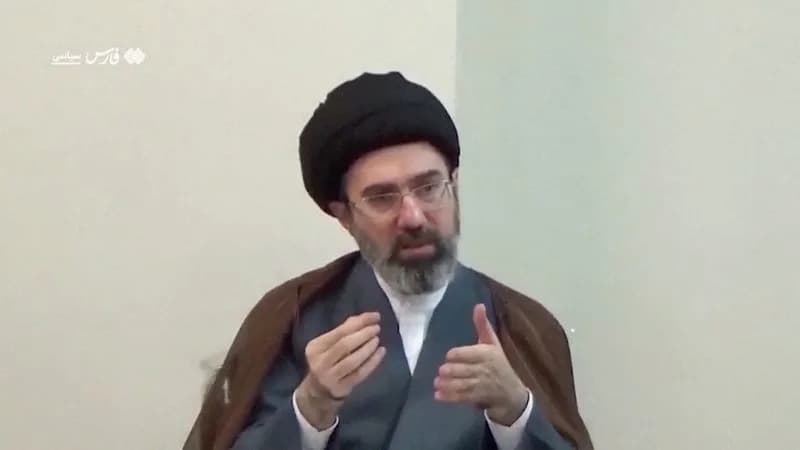
The US- and Israeli-claimed strikes that killed Ayatollah Ali Khamenei have left Iran under a constitutionally mandated three-person interim leadership council—Masoud Pezeshkian, Gholamhossein Mohseni Ejei and Alireza Arafi—while the Assembly of Experts prepares to select a new supreme leader. Reports that multiple senior military figures were killed increase the influence of the IRGC and its Basij militia in preserving continuity. Potential successors include Mojtaba Khamenei and Alireza Arafi, but the process may be delayed as elite bargaining and security concerns play out.
Who’s Running Iran Now? Inside the Interim Council, Succession Rules and the IRGC’s Role
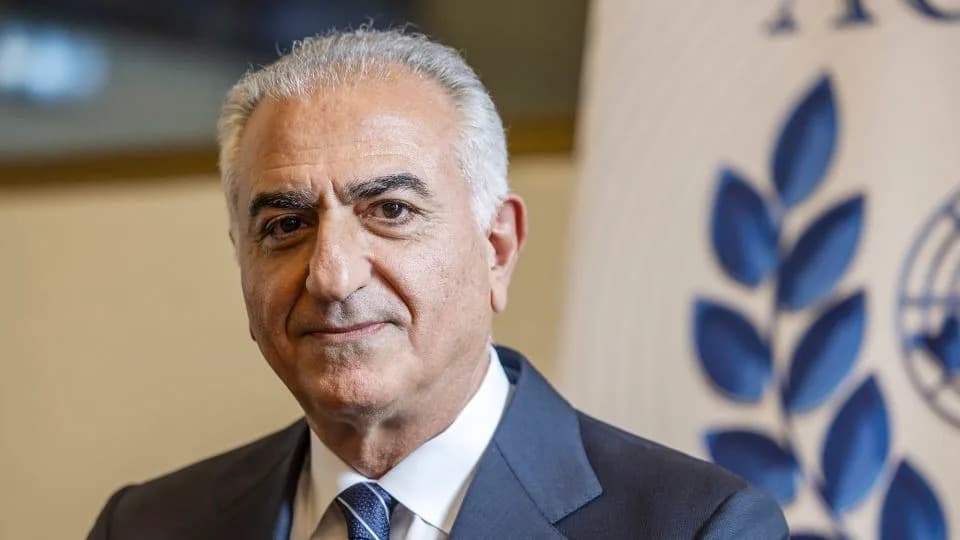
Reza Pahlavi, the eldest son of Iran's last shah, has become a front-runner in Iranian opposition politics. - Salvatore Di Nolfi/Keystone/AP
The strikes claimed by the United States and Israel that killed Ayatollah Ali Khamenei have created an immediate leadership vacuum at the core of Iran’s ruling system and set in motion a high-stakes, opaque process to find his successor.
Interim Leadership Under the Constitution
Under Iran’s constitution, a three-person leadership council assumes authority until the new supreme leader is chosen. On Sunday the council was announced and includes the moderate president Masoud Pezeshkian, the hard-line judiciary chief Gholamhossein Mohseni Ejei, and senior cleric Alireza Arafi. With US–Israeli strikes ongoing, there is no clear timeline for when the Assembly of Experts will convene and name a successor.
How a New Supreme Leader Is Chosen
The successor must be selected by the Assembly of Experts, an 88-member body of senior clerics elected by the public every eight years. Its membership and candidates are vetted by the 12-member Guardian Council, a jurist body that also reviews legislation and approves candidates for public office. In practice, the Guardian Council has significant influence over who can stand for leadership posts.
Security Decapitation and Immediate Challenges
A complicating factor is the reported loss of several senior security figures in the same series of strikes. Israel has claimed that a “majority” of Iran’s senior military leaders were killed, naming among the dead Maj. Gen. Abdolrahim Mousavi, Maj. Gen. Mohammad Pakpour and Ali Shamkhani—a blow that could slow decision-making and strain command-and-control across Iran’s armed institutions.
Who Will Make Defense Decisions?
Until a new supreme leader is appointed, the temporary council must also manage urgent defense and national security choices. That includes whether to continue delegating operational authority to figures such as Ali Larijani and parliamentary speaker Mohammad Bagher Ghalibaf, both of whom have played central roles in past crises.
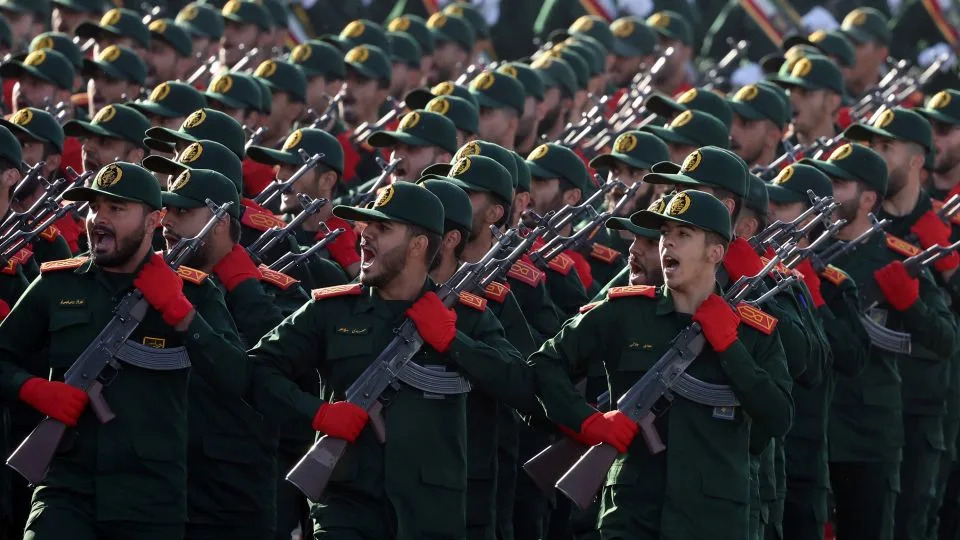
Islamic Revolutionary Guard Corps forces march at an annual military parade in Tehran in September 2024. - Abedin Taherkenareh/EPA-EFE/Shutterstock
Likely Power Brokers: IRGC And Basij
With much of the formal leadership reportedly affected, power is likely to be exercised heavily behind the scenes by the Islamic Revolutionary Guard Corps (IRGC). Answerable directly to the supreme leader, the IRGC has grown into a major military, economic and political actor. Its affiliated Basij volunteer force provides street-level enforcement and social control. Together, these institutions are well-placed to influence the selection of the next supreme leader and to preserve regime continuity.
Possible Successors And Political Dynamics
Potential contenders include Mojtaba Khamenei, the supreme leader’s influential son with ties to the IRGC and Basij; Alireza Arafi, deputy chairman of the Assembly of Experts and head of Iran’s seminary system; and conservative clerics such as Mohammad Mehdi Mirbagheri. More moderate or symbolic names, like Hassan Khomeini, are also discussed. The regime could also opt for a surprise choice, a younger cleric or even a collective leadership model.
External Voices And Internal Reality
Abroad, figures such as former US President Donald Trump have urged Iranians to seize the moment, while others have suggested exiled figures like Reza Pahlavi as alternative options. Analysts caution, however, that Iran lacks a ready, organized armed opposition capable of seizing power—making elite bargaining among clerical, security and political networks the decisive arena.
Outlook
For now, Iran’s leadership is operating quickly and quietly to prevent fragmentation and project continuity. The timeline for a formal succession is likely to be extended by ongoing strikes and security risks. How the Assembly of Experts, the Guardian Council, the IRGC and other elite actors resolve this contest will shape Iran’s political direction for years to come.
Reporting and analysis cited expert commentary and on-the-record claims by involved parties; many details remain fluid as operations and political maneuvering continue.
Help us improve.