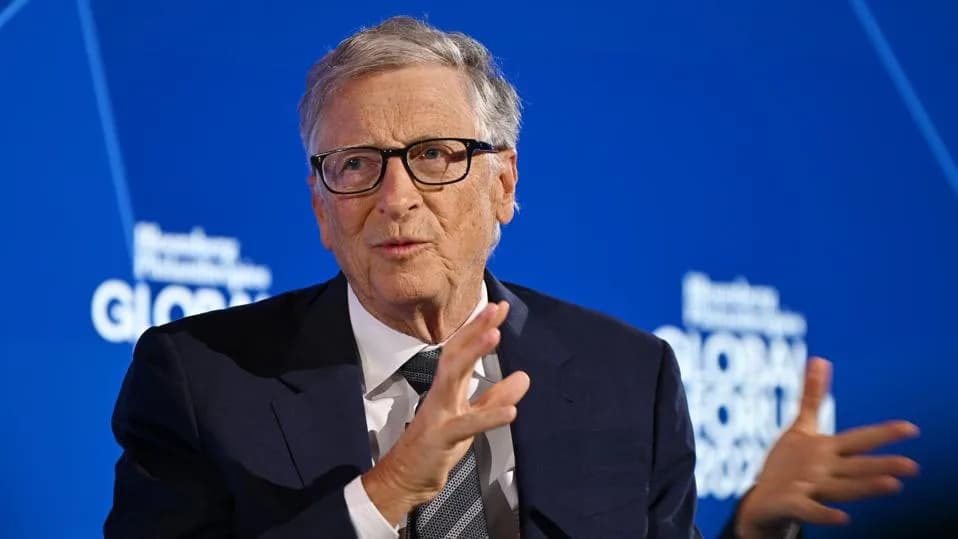
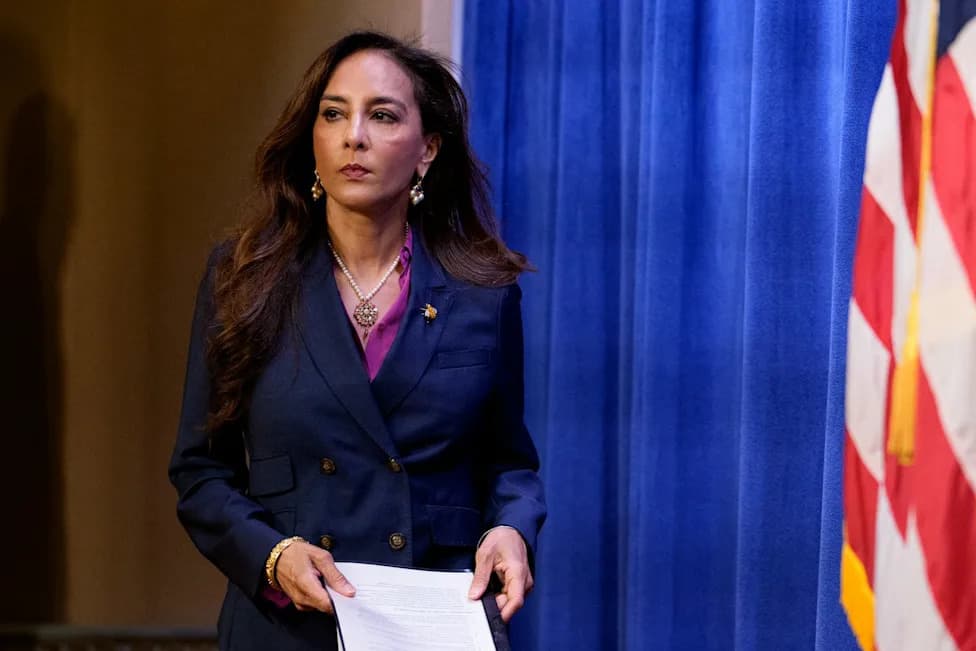
Analysts say the operation to kill Iran’s leader revealed a distinctly unpredictable U.S. foreign policy under President Trump, one willing to set aside long‑standing restraints. A Harvard professor noted the administration has embraced unilateral uses of force, even targeting heads of state. Observers add that favoring flexibility over fixed objectives could reshape the Middle East while limiting China and Russia’s influence — but it also raises risks of escalation and diplomatic fallout.
Trump’s Iran Strikes Signal a Break With Longstanding War Norms
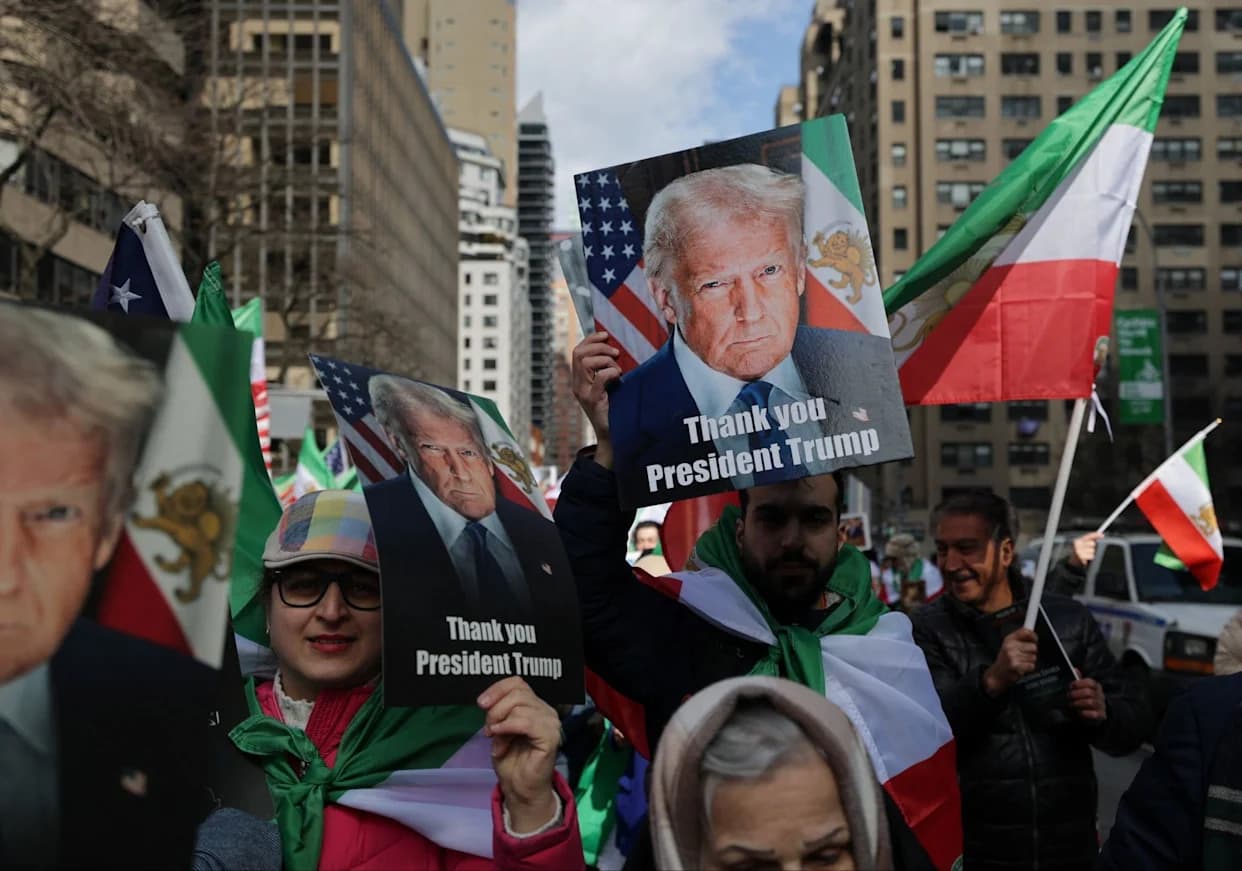
Analysts say the audacious operation to kill Iran’s leader exposed President Donald Trump’s unconventional foreign policy — one marked by unpredictability and a readiness to flout long‑standing norms.
Unilateral Force and the Targeting of Leaders
A Harvard professor observed that the administration has embraced unilateral uses of force, including the once‑taboo tactic of targeting heads of state, to pursue strategic objectives. That shift represents a clear departure from historical U.S. restraint and established international expectations.
Flexibility Over Fixed Objectives
Foreign policy analysts note that the White House has moved away from the doctrine that the United States should enter conflicts only with clearly defined goals and an exit strategy. “Instead, Trump has preserved the flexibility to adapt based on how things unfold,” one analyst said — a posture that expands operational options but also raises the risk of unintended escalation.
Regional and Geopolitical Consequences
As the administration seeks to reshape the Middle East order, the strikes have limited the ability of Iran’s key partners — China and Russia — to influence events on the ground. Analysts say the operation signals a more assertive U.S. posture that could alter regional alignments and diplomatic calculations.
Implications: The approach may yield short‑term tactical gains and greater strategic flexibility, but it also increases diplomatic risks, complicates alliances, and raises questions about long‑term objectives and international norms.
Observers warn that the episode will reverberate beyond the immediate action, affecting how allies, adversaries and international institutions assess U.S. intentions and the future rules of engagement.
Help us improve.