At the Munich Security Conference, Marco Rubio framed Europe and the U.S. as united by a common Western civilization and cultural heritage, while criticizing certain immigration and climate policies. Rep. Alexandria Ocasio‑Cortez pushed back, calling culture "fluid" and arguing the discussion should prioritize material and class issues. Bishop Robert Barron said her remarks echoed Marxist views that treat culture as a "superstructure," warned of historical risks, and urged celebrating Western intellectual and religious contributions despite their flaws.
Bishop Robert Barron Says AOC Downplayed Culture After Marco Rubio’s Munich Speech
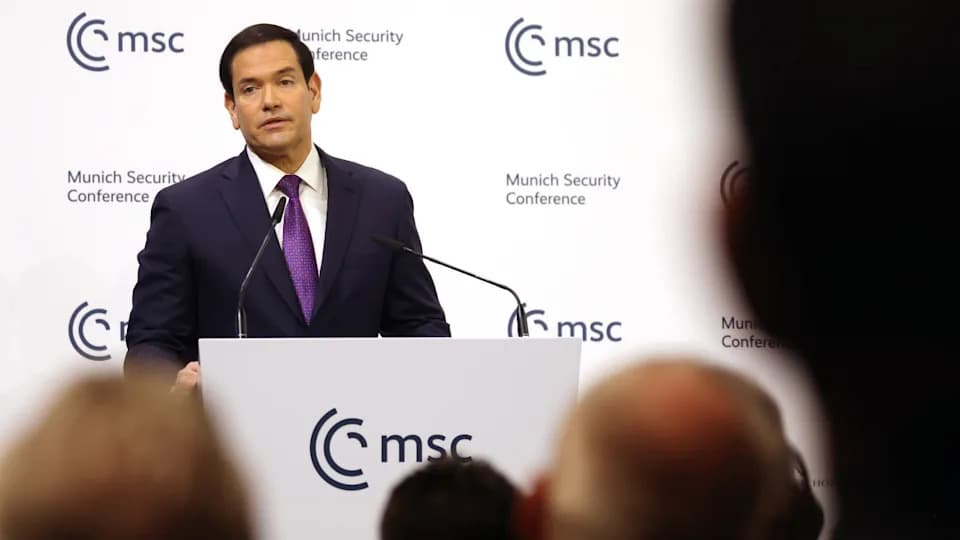
Secretary of State Marco Rubio speaks at the Munich Security Conference in Germany on Feb. 14, 2026.(Getty Images)
The head of the Roman Catholic Diocese of Winona‑Rochester, Bishop Robert Barron, criticized Representative Alexandria Ocasio‑Cortez’s public response to Secretary of State Marco Rubio’s address at the Munich Security Conference, saying she relegated culture to a secondary role while emphasizing material and class concerns.
Rubio’s speech at the conference argued for the shared cultural foundations of Europe and the United States. In a widely reported passage he said, "We are part of one civilization – Western civilization. We are bound to one another by the deepest bonds that nations could share, forged by centuries of shared history, Christian faith, culture, heritage, language, ancestry, and the sacrifices our forefathers made together for the common civilization to which we have fallen heir." Rubio also linked cultural pride to policy positions on immigration and climate.
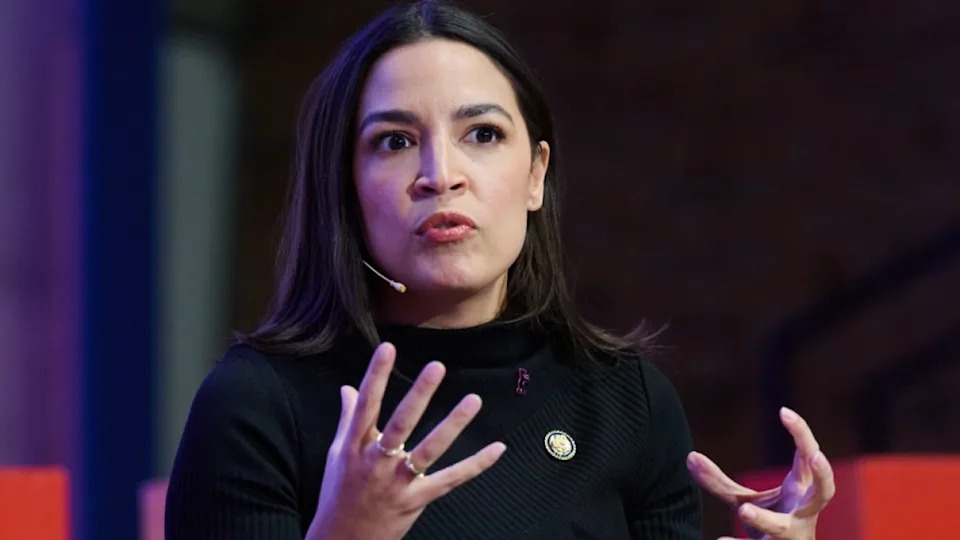
Rep. Alexandria Ocasio-Cortez speaks at TU Berlin.
Ocasio‑Cortez’s Reaction
When asked about Rubio’s remarks, Rep. Alexandria Ocasio‑Cortez challenged the idea of a fixed Western culture, arguing that culture is historically fluid and that debates should focus on material conditions and class interests. As captured on video at the conference, she said:
"Culture is changing. Culture always changes. Culture, for the entire history of human civilization, has been a fluid, evolving thing that is a response to the conditions that we live in... at the end of the day though, it is very thin. So, the response that we have to have again, is, again, it's material, it’s class‑based, it’s common interest."
Bishop Barron’s Response
On "The Will Cain Show," Bishop Barron said Ocasio‑Cortez’s framing resembled a Marxist analysis that treats culture as a "superstructure" built on an economic base. He warned that moving away from cultural and religious orientations toward an explicitly Marxist approach has troubling historical precedents in the 20th century.
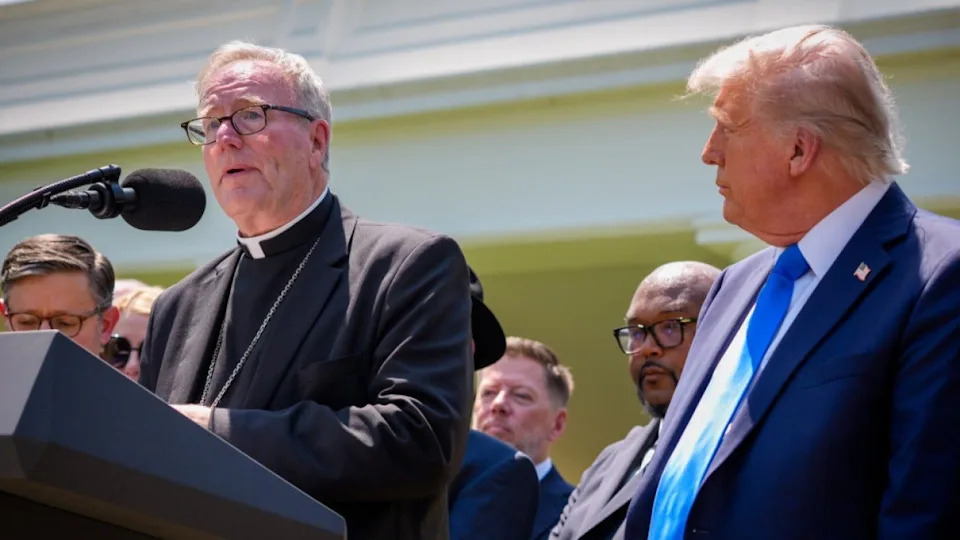
Bishop Robert Barron, next to President Donald Trump, speaks during a National Day of Prayer event in the Rose Garden at the White House in May 2025.
"When AOC was commenting on that... she kind of pushed culture off to the side," Barron said. "‘Well, Western civilization, Western culture, is a very thin idea. Shouldn't we be focused on... the material, the substructure and the class situation?' Well, that's right out of the Karl Marx playbook." He added that many modern reform movements are increasingly suspicious of religion and that religious leaders historically played major roles in social reform movements such as the U.S. Civil Rights Movement.
While acknowledging that no civilization is without fault, Barron urged celebrating enduring intellectual and moral contributions across Western history. He suggested a "golden thread" linking figures such as Aristotle, Thomas Aquinas, Thomas Jefferson and Martin Luther King Jr., and said those contributions should be honored rather than dismissed as "thin."
Fox News Digital reached out to Ocasio‑Cortez's office, which declined to provide additional comment about the Munich Security Conference. Fox News' Eric Mack contributed to this report.
Help us improve.