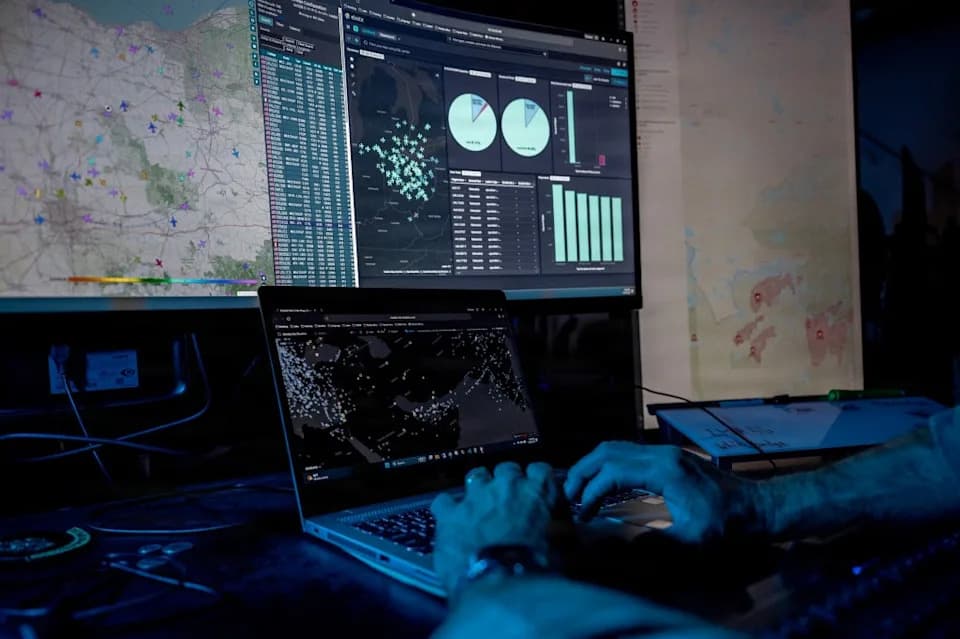
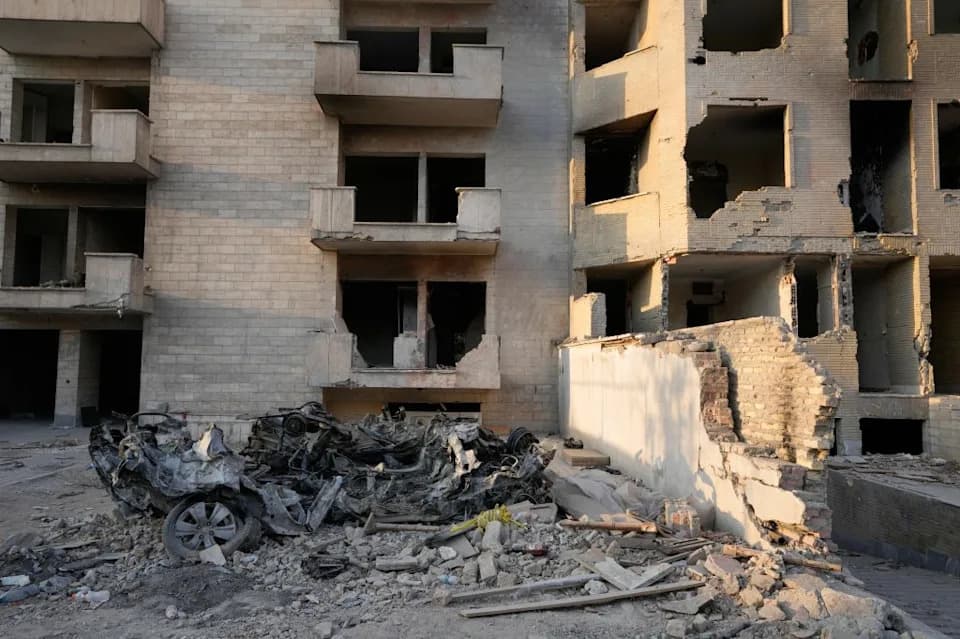
U.S. counterterrorism agencies have quietly increased surveillance and stepped up security in major cities after a joint U.S.–Israel operation that officials say killed Iran’s supreme leader and other senior figures. The FBI has placed counterterrorism and intelligence teams on high alert, though no public, credible plots have been identified. Experts warn Iran-backed groups and lone sympathizers could be motivated to act, and concerns about border security and a partial DHS shutdown add to operational strain.
U.S. Counterterrorism On High Alert — Agencies Monitor Suspected Sleeper Cells After Joint Strike On Iran
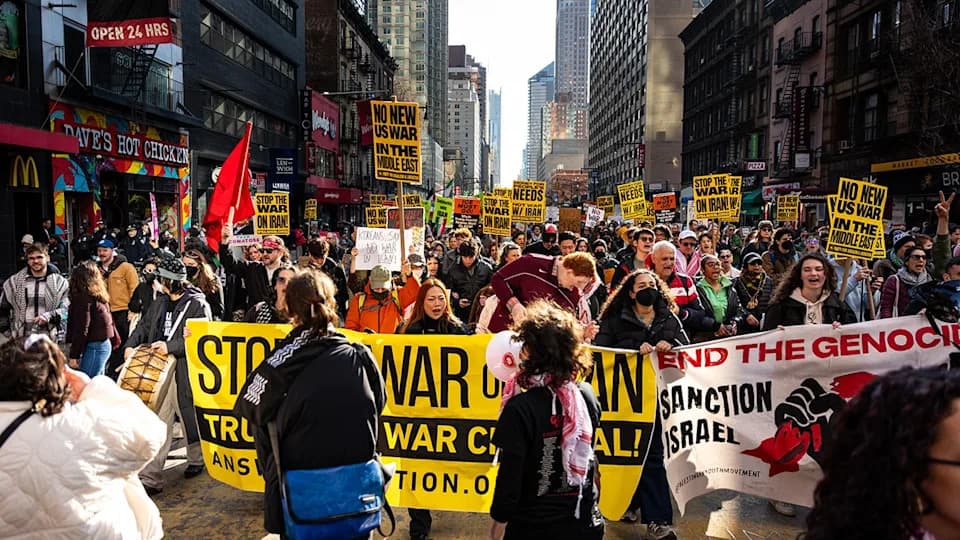
Demonstrators march during a protest in New York City on Saturday, Feb. 28, 2026.(Getty Images)
American counterterrorism authorities have quietly intensified surveillance of suspected sleeper cells on U.S. soil after a recent joint U.S.–Israel military operation targeting senior Iranian leadership. Federal and local law-enforcement agencies have also increased visible security in major cities as a precaution, though officials say no specific, credible plots have been publicly disclosed.
What Officials Are Saying
The stepped-up posture follows a weekend operation, called Operation Epic Fury, which U.S. and Israeli officials said resulted in the deaths of Iran’s Supreme Leader Ayatollah Ali Khamenei and several senior Iranian leaders. Authorities warn the strike could prompt retaliatory activity by Iran-linked networks or individual sympathizers.

FBI Director Kash Patel stands silently during a press conference on Oct. 23, 2025, in New York City.
"If ever there's going to be a Hezbollah cell or a Hamas cell act in the United States in a violent way, it's now," said Chris Swecker, a former assistant FBI director.
Why Experts Are Concerned
Security analysts point to several factors that could increase domestic risk: longstanding networks and sympathizers of Iran-backed groups, the potential for lone actors radicalized online or at protests, and perceived vulnerabilities at the border that could allow operatives or facilitators to enter the country.
"We know that they have cells here. We also know that there are lone sympathizers, many of whom have come out in these protest groups," Swecker said, adding that border weaknesses could have amplified the threat environment.
How Agencies Are Responding
FBI Director Kash Patel said counterterrorism and intelligence teams have been placed on high alert to monitor evolving threats and mobilize security assets as needed. Patel emphasized the FBI's role in deterring domestic attacks while the military handles force protection overseas.
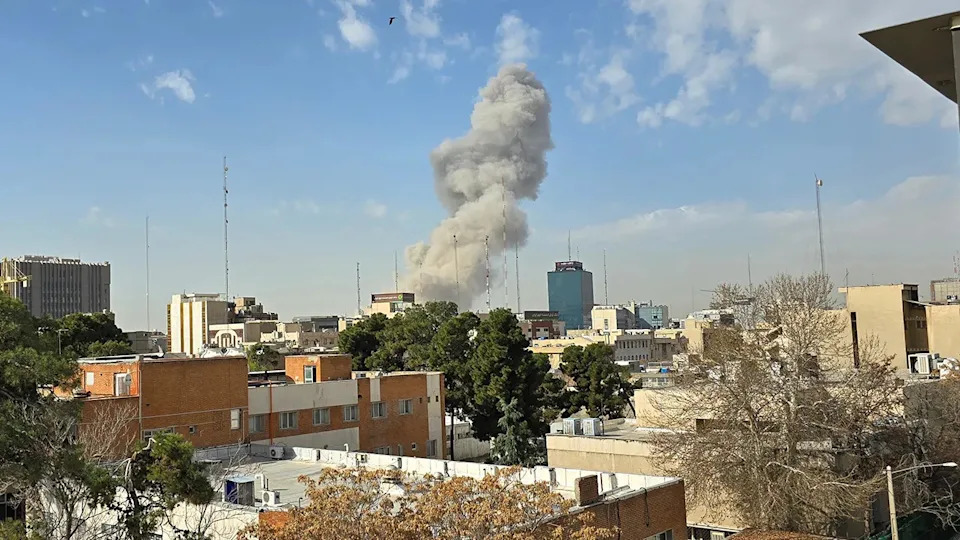
A plume of smoke rises after an explosion on Feb. 28, 2026, in Tehran, Iran.
"Last night, I instructed our Counterterrorism and intelligence teams to be on high alert and mobilize all assisting security assets needed," Patel wrote on X.
Jason Pack, a retired FBI supervisory special agent, noted that elevated monitoring is a routine response when U.S. military operations intersect with adversaries known to use indirect or unconventional tactics. Homeland Security officials say they are coordinating closely with federal partners to detect and disrupt any credible plots.
Operational Context And Constraints
The heightened alert comes as parts of the Department of Homeland Security face a partial shutdown, raising concerns about resource strain at a time of elevated readiness. Officials stress that while no specific plots have been made public, the threat environment could shift rapidly depending on developments overseas.
Fox News Digital reporters contributed background to this report.
Help us improve.