This winter's prolonged storms and flooding across the South West have destroyed nests, submerged burrows and swept away insect eggs and larvae, threatening seabirds, hedgehogs, voles and butterflies. Rescue centres report dehydrated and displaced animals, while experts warn cascading ecological effects in spring. The Met Office records one of the wettest winters on record for parts of Cornwall, Devon and Dorset, prompting calls for nature-based flood defences and connected green refuges.
How Winter Flooding and Storms Are Devastating Wildlife Across the South West
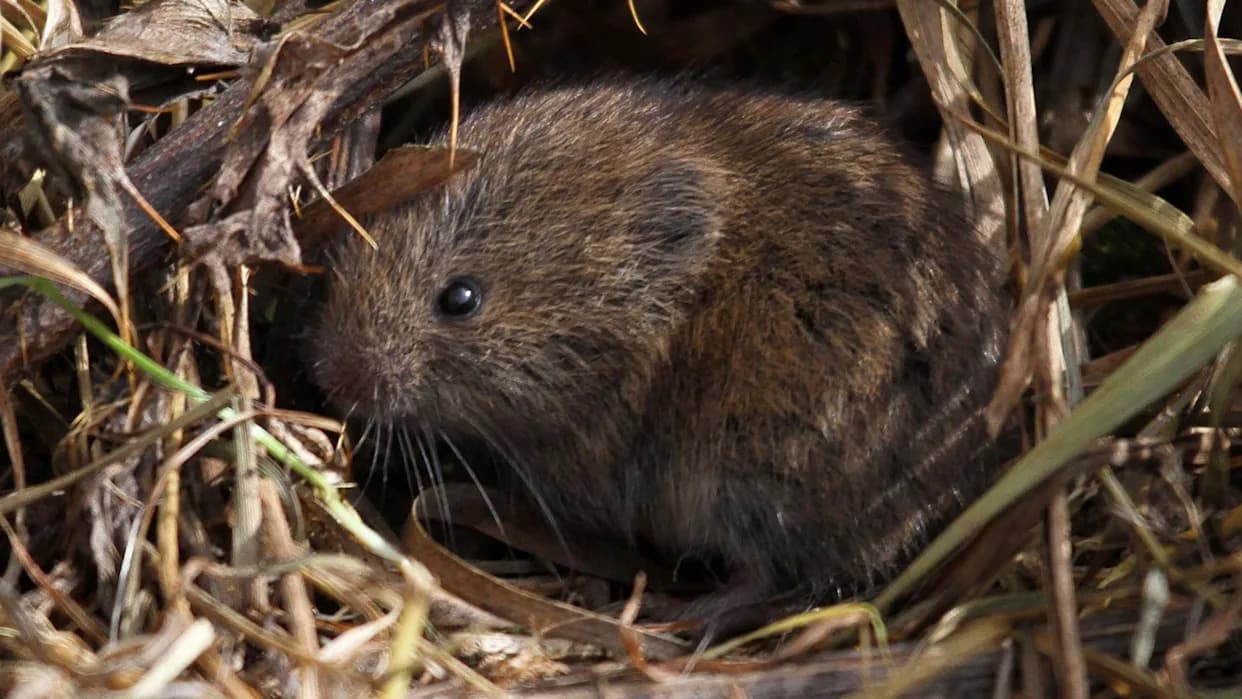
Recent flood events are not only having an immediate effect on wildlife, but also future reproduction [Margaret Holland]
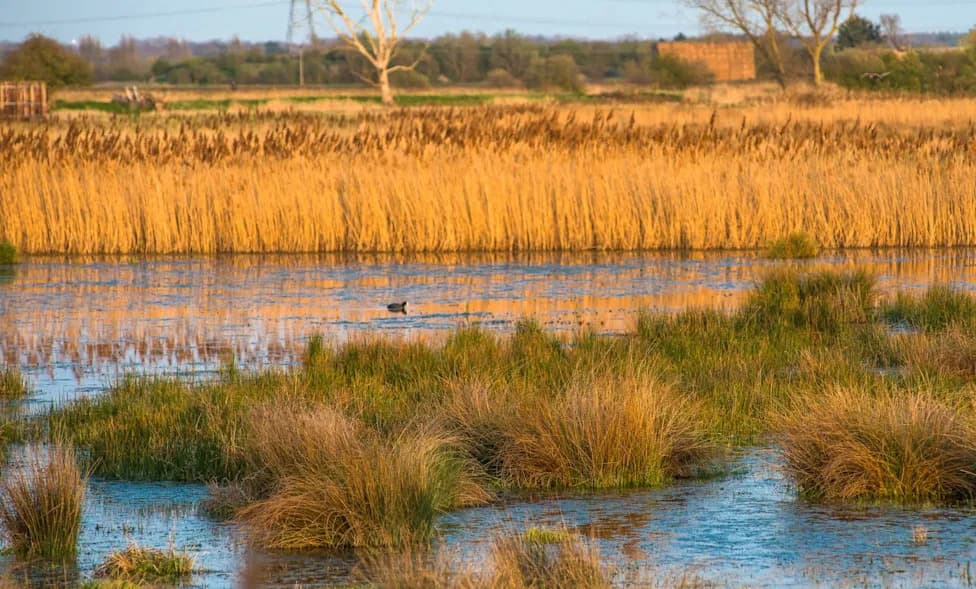
This winter's relentless storms and prolonged rainfall have produced some of the worst flooding the South West has seen in decades, and conservation groups warn the full ecological cost is only beginning to emerge.
Widespread Impacts On Wildlife
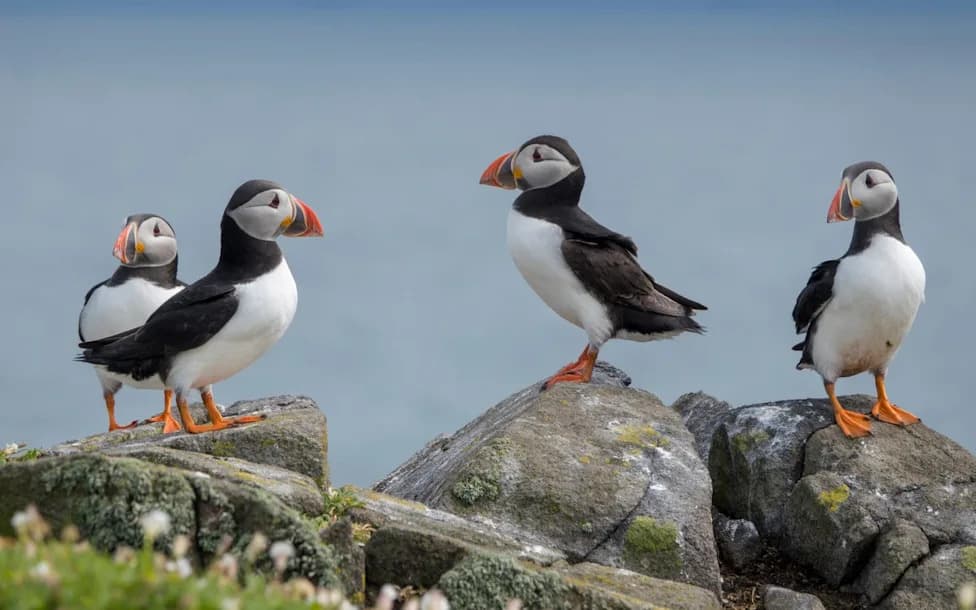
Coastal and inland habitats have been hammered by a "conveyor belt" of storms. Seabird strandings — including thousands of puffins washing up along the South West coast, the Channel Islands and parts of France — have been well documented. Responders have also reported turtles and other marine animals among the strandings, many likely linked to storm activity, according to Rob Deaville of the Cetacean Stranding Investigation Programme (CSIP).
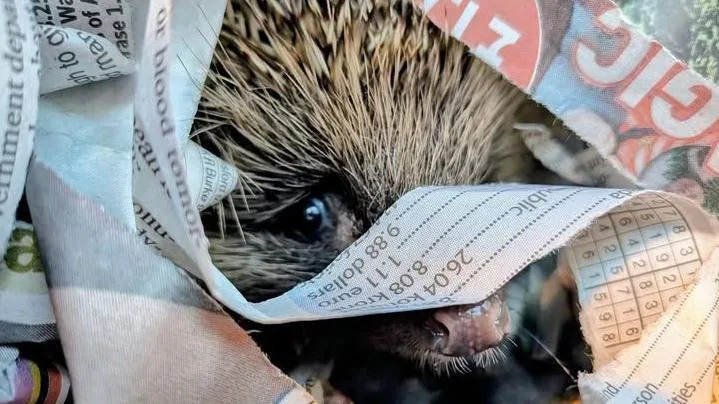
A Devon hedgehog rescue said the small animals were being washed away in flood water [Prickles in a Pickle]
Terrestrial Species Under Threat
On land, persistent flooding has destroyed shelter and nesting sites for hedgehogs, field voles and other small mammals. Slow-moving species are particularly vulnerable: many cannot reach higher ground and may drown when nests and burrows are submerged. Rescue centres report a surge in displaced and dehydrated hedgehogs, some arriving in dangerously poor condition.
"They may not be able to move to higher ground and therefore could be overwhelmed very quickly by water," said Stephen Hussey of Devon Wildlife Trust.
Insects And The Food Chain
Floodwaters have also swept away eggs and overwintering larvae of butterflies and other insects. Species such as the orange-tip butterfly, whose eggs and pupae overwinter low on vegetation, are at special risk. Losses among insects can ripple up the food chain, reducing prey for birds and small mammals in spring.
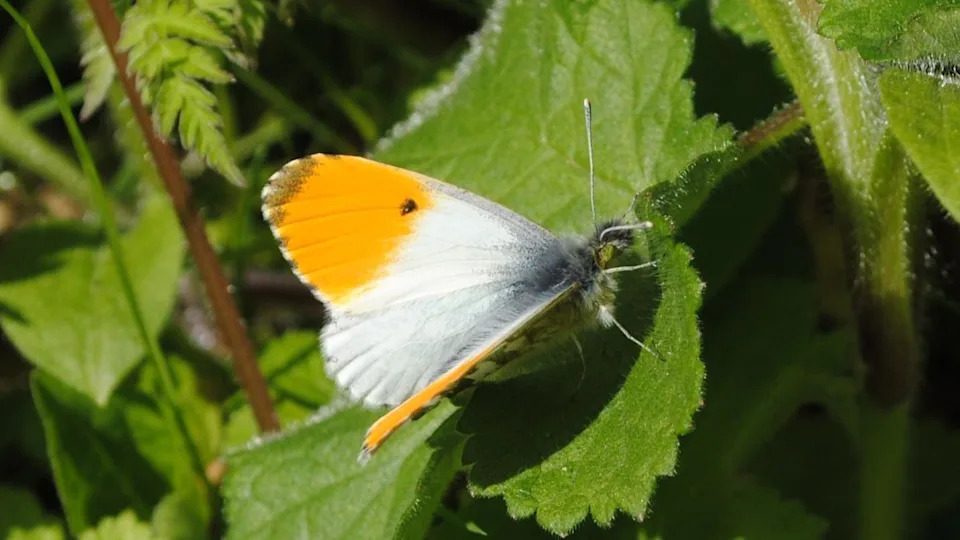
Orange-tip butterflies may be scarce this spring as extreme flooding has washed away their eggs [Amy Lewis]
Local Examples And Rescue Work
Devon rescue group Prickles in a Pickle reported many hedgehogs washed from nests across Plymouth, Kingsbridge, Ivybridge and Dartmouth. Co-founder Judy Thompson said animals have been flooded out at a time when food is scarce, and many arrive underweight and dehydrated.
In Dawlish, torrential January rain caused a brook to burst its banks and wash away two black swan nests and around ten eggs. The birds have rebuilt nests in slightly higher locations and are incubating fresh clutches.
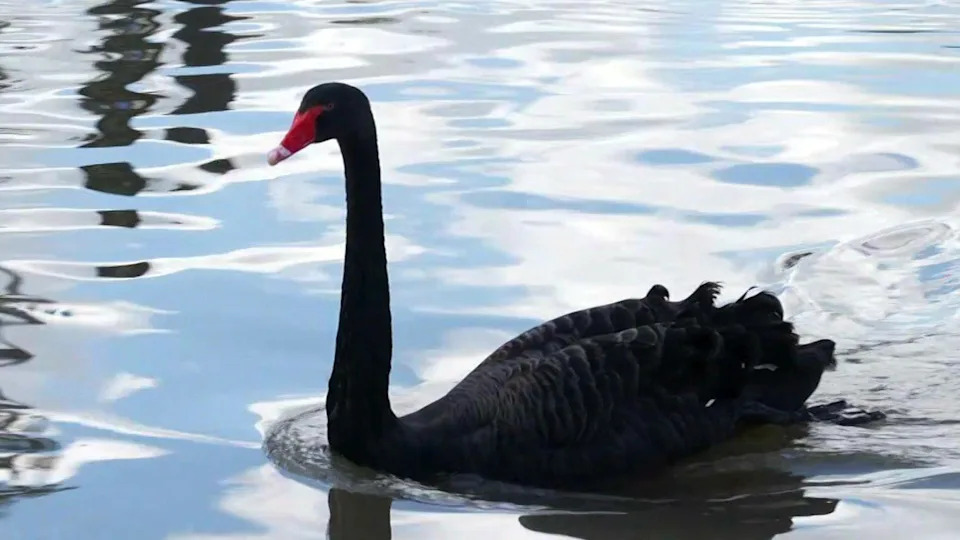
The warden said it was not the first time the nests have been washed away [BBC]
Climate And Weather Context
The Met Office says this season ranks among the five wettest winters on record for Cornwall, Devon and Dorset. Parts of Cornwall and Devon received roughly 150% of their long-term average rainfall. In February, Cardinham recorded rain on 49 consecutive days near its stations, Exeter Airport 48 days, and Okehampton 43 days.
Professor Dave Hodgson of the University of Exeter described the volume and persistence of rain this season as feeling "a bit apocalyptic," and warned that saturated ground and high winds have toppled trees and removed nesting cavities and burrows.
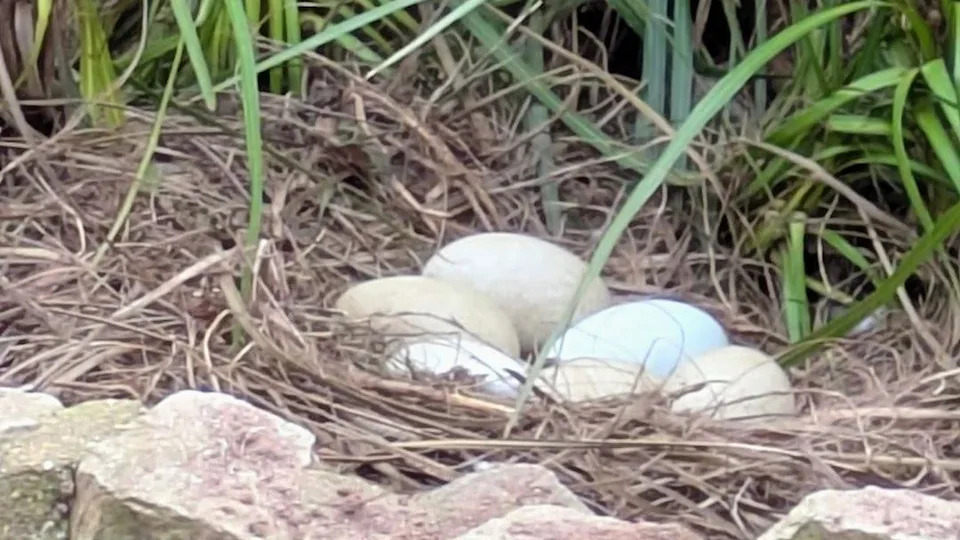
Don Phillips said the new nesting sites were in higher positions than the previous ones [Lorraine]
Risks From Infrastructure And Pollution
Flooding can trigger sewage discharges into rivers and estuaries, exposing wildlife to pollutants and disease and amplifying mortality events. Experts say much of the region's infrastructure was not designed for such prolonged rainfall, and that development on floodplains has reduced natural refuges for animals.
Practical Steps For The Public
Conservation groups recommend simple actions homeowners can take to help wildlife during floods and wetter winters:
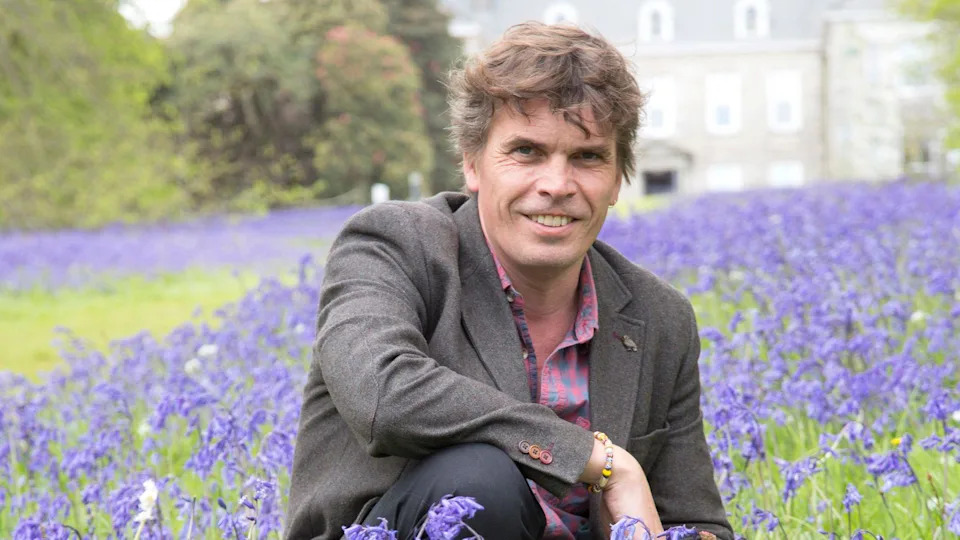
Prof Dave Hodgson said wildlife mortality should be a "wake-up call" to create more flooding defences [University of Exeter]
- Link gardens and create green corridors so small mammals have escape routes.
- Leave leaf piles and undisturbed vegetation for shelter and overwintering insects.
- Put out clean water for hedgehogs (and report daytime sightings to local rescues).
- Avoid slug pellets and pesticides, especially on saturated soil.
- Report stranded or injured wildlife to local rescue services and wildlife charities.
Calls For Nature-Based Solutions
Experts say the extreme season should be a wake-up call to adopt nature-based flood defences: reconnect floodplains, create higher-ground refuges, manage drainage more sustainably, and preserve connected green spaces. "It's about working with the natural environment... and ensuring everything operates more sustainably with less impact on biodiversity," Hodgson said.
Devon Wildlife Trust, Prickles in a Pickle and university researchers continue to monitor impacts. As climate models project more intense winter rainfall and storms, conservationists urge policymakers and the public to adapt land use and flood management to reduce harm to wildlife.
Help us improve.