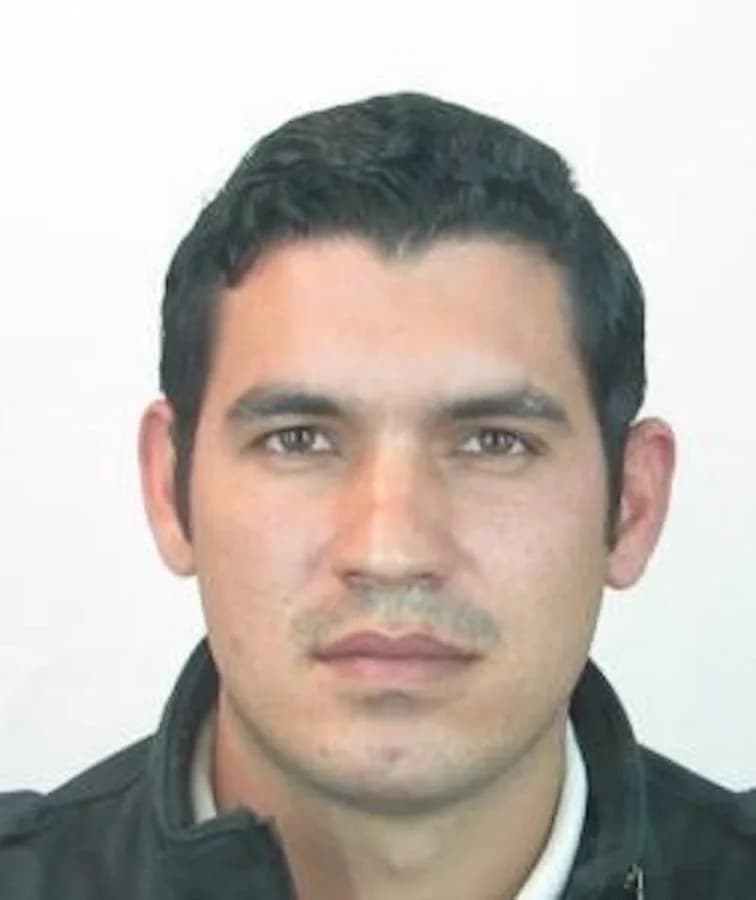
The Mexican attorney general's office confirmed that the body of cartel leader Nemesio Rubén Oseguera Cervantes, known as "El Mencho" and subject to a $15 million U.S. bounty, was returned to his family after DNA testing. Officials say he was wounded by Mexican forces in Jalisco and died while being flown to Mexico City, an event that sparked violent reprisals attributed to the Jalisco New Generation Cartel that killed dozens, including 25 National Guard members. Mexican and U.S. authorities say the operation reflected stepped-up bilateral cooperation, and U.S. homeland security agencies are monitoring potential retaliation by CJNG's U.S.-based networks.
El Mencho's Body Returned After DNA Tests as CJNG Violence Surges
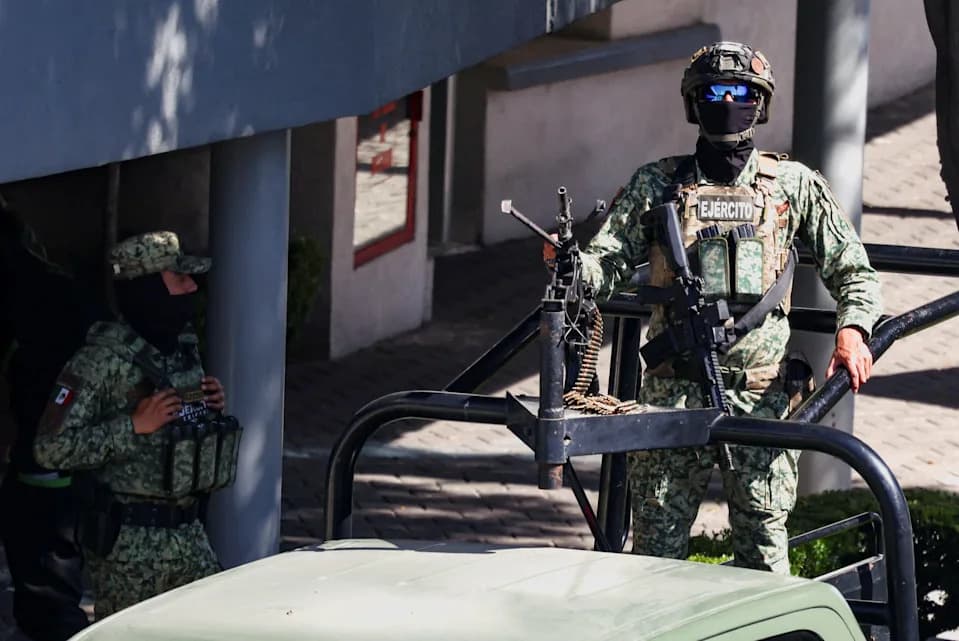
Soldiers stand guard at the Federal Forensic Service, where the body of cartel leader Nemesio Oseguera, known as(Luis Cortes / REUTERS)
Mexico's attorney general's office said Saturday that the body of Nemesio Rubén Oseguera Cervantes — the notorious cartel leader known as "El Mencho" — was returned to his family after genetic testing confirmed the remains.
Officials said Oseguera Cervantes, who carried a $15 million U.S. bounty, was wounded by Mexican security forces in Jalisco and died while being transported to Mexico City. His death is reported to have triggered a wave of violence across large parts of Mexico attributed to the Jalisco New Generation Cartel (CJNG), which authorities say left dozens dead, including 25 members of Mexico's National Guard.
In a statement, the attorney general's office said it performed DNA tests to match the remains to the family members who requested the body, but it did not disclose the location of the handover or the identities of the relatives who received it.
Searchers at Oseguera Cervantes' residence reportedly found a crucifix, religious candles and a handwritten psalm, The Associated Press reported. Mexican authorities also said they tracked one of his romantic partners to the hideout tied to the operation.
U.S.-Mexico Cooperation
Sources familiar with the operation told CBS News that the raid reflected intensified U.S.-Mexico counter-cartel cooperation under Mexican President Claudia Sheinbaum. A U.S. defense official said a Pentagon-created counter-cartel task force under U.S. Northern Command provided complementary information through the Joint Interagency Task Force, but emphasized the operation itself was conducted by the Mexican military.
Mexico's Defense Ministry likewise said that "complementary information was provided by U.S. authorities within the framework of bilateral coordination and cooperation with the United States." Homeland security officials in the U.S. are monitoring the cartel's U.S.-based trafficking and financial networks for any retaliatory activity or disruptions to trafficking corridors.
The Jalisco New Generation Cartel — commonly known as CJNG — maintains distribution, logistics and money-movement infrastructure across the United States. While U.S. and Mexican officials told CBS News they had seen no immediate indication of a direct, imminent threat to the U.S., law enforcement agencies remain vigilant for potential upticks in violence, coercion or debt-collection activity along domestic trafficking routes.
In February 2025, the Trump administration designated CJNG as a Foreign Terrorist Organization, a move that officials say influences how U.S. agencies coordinate counter-cartel efforts.
Help us improve.