Germany's draft bill would widen authorities' powers to counter cyber threats, permitting actions such as rerouting traffic, disabling systems and, in serious cases, deleting or altering data on foreign servers. The move follows Russia's 2022 invasion of Ukraine and complements efforts to strengthen the military and intelligence services. Interventions would normally require a court order, though approval can be sought up to three days after action in imminent-danger cases. The BSI would gain "threat hunting" powers and hundreds of new staff are planned, while providers failing to cooperate could face fines up to €20 million.
Germany's Draft Bill Would Let Authorities Intervene in Foreign IT Systems to Combat Cyberattacks

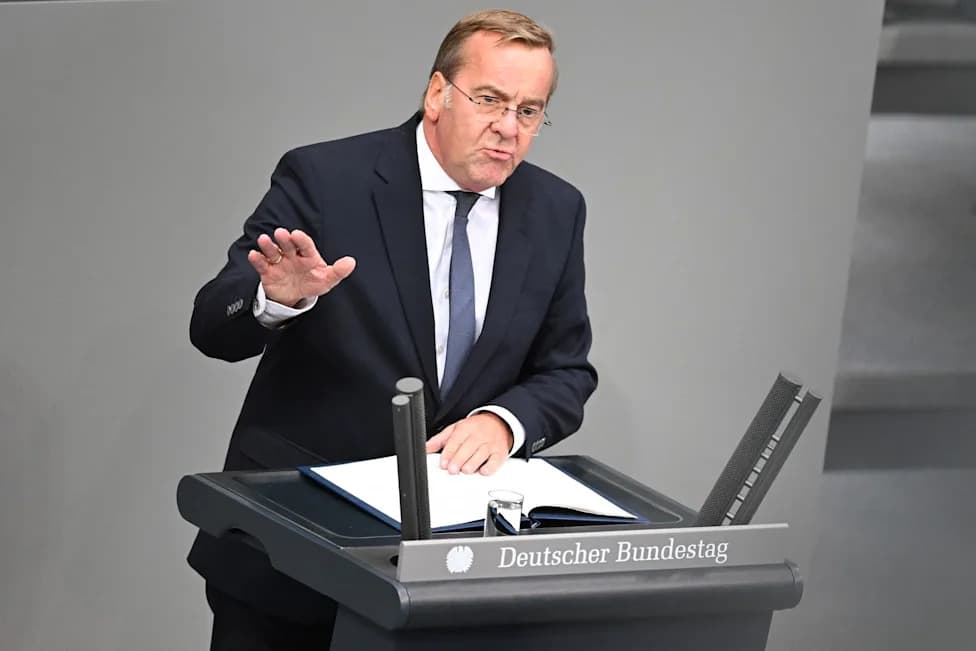
German Interior Minister Alexander Dobrindt attends a session of the lower house of the German parliament, the Bundestag, in Berlin, Germany, February 26, 2026. REUTERS/Liesa Johannssen
BERLIN, Feb 27 (Reuters) - A draft bill reviewed by Reuters would give German law enforcement and security agencies broader powers to counter cyberattacks, including the ability to reroute traffic, disable IT systems and, in serious cases, delete or alter data even on servers located abroad.
What the Draft Bill Would Allow
The legislation — part of a wider push to strengthen defence and intelligence capabilities after Russia's full-scale invasion of Ukraine in 2022 — stops short of authorising large-scale offensive cyber operations. Instead, it focuses on defensive and preventive measures that would allow authorities to take direct action against hostile digital operations that threaten national security or critical infrastructure.
"Like law enforcement, prevention of threats does not stop at national borders when it comes to combating cyberattacks," the draft law says.
Under the proposal, authorities could redirect data traffic, shut down IT systems and, in severe incidents, erase or modify data, including data held on foreign servers. Such interventions into private systems would generally require a court order, but in cases of imminent danger judicial approval could be obtained up to three days after action has been taken.
New Capabilities and Obligations
The Federal Office for Information Security (BSI) would be authorised to conduct "threat hunting," enabling the agency to detect and disrupt preparations for cyberattacks at an earlier stage rather than only responding after damage occurs. The plan also foresees hiring hundreds of additional staff to implement and oversee the expanded authorities.
Digital service providers and internet service providers would be legally obliged to cooperate with authorities. Violations of these obligations could result in fines of up to 20 million euros (about $23 million), according to the draft.
Political Context
Interior Minister Alexander Dobrindt has said Germany must be better equipped to defend itself against cyberattacks that German security services often attribute to actors operating from Russia — a claim Moscow denies. The measures come alongside broader efforts to bolster Germany's armed forces and intelligence powers amid heightened concerns about hybrid threats.
Reporting by Reuters; writing by Matthias Williams; editing by Thomas Seythal.
Help us improve.