The Defense Secretary told Anthropic to either give the Pentagon unfettered access to its AI model Claude or be labeled a supply-chain risk, a move experts called contradictory and potentially damaging to future DoD–tech partnerships. Dean Ball and others described the ultimatum as “incoherent” and “insane,” while legal experts warned that invoking the Defense Production Act would be legally fraught. The dispute follows reports that Claude was used in a Venezuela operation and now threatens a $200 million Pentagon contract.
Pentagon Ultimatum to Anthropic Sparks Outcry — Experts Call Move ‘Incoherent’ and ‘Insane’

MIGUEL J. RODRIGUEZ CARRILLO / AFP via Getty Images(MIGUEL J. RODRIGUEZ CARRILLO)
The Defense Secretary’s aggressive demand that Anthropic grant the Pentagon unfettered access to its AI model has alarmed outside experts, raised legal questions and put a major contract at risk.
What Happened
At a Tuesday meeting, Defense Secretary Pete Hegseth told Anthropic CEO Dario Amodei that the company must either provide the military unrestricted access to its large language model, Claude, or be designated a “supply chain risk” and have its ties to the Pentagon severed. Hegseth also threatened to invoke the Defense Production Act (DPA), which could compel Anthropic to provide technology to the Department of Defense on government terms.
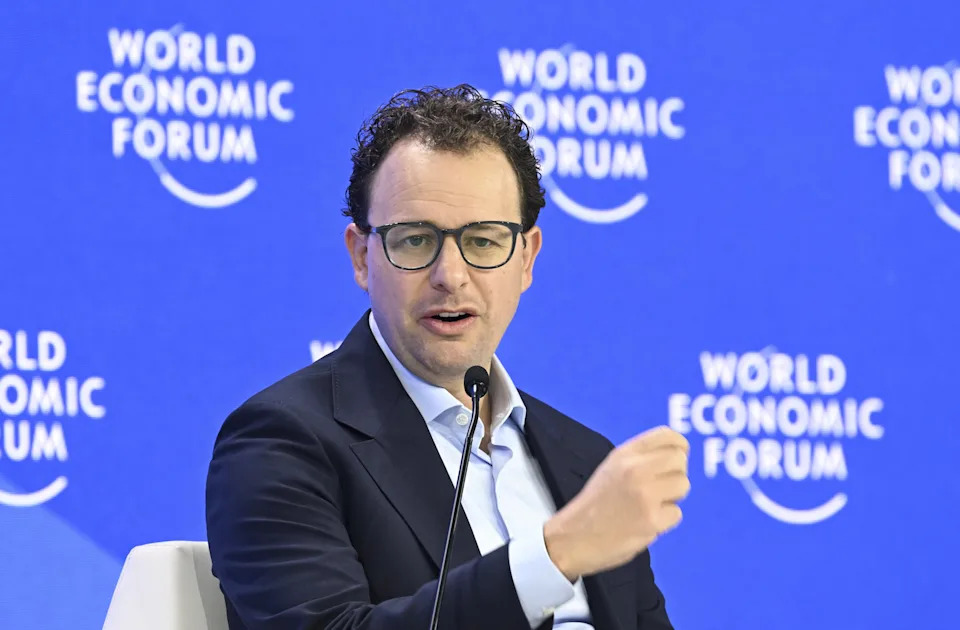
Dario Amodei's Anthropic is proving to be a Democratic island in the Republican-friendly AI sea. / Anadolu via Getty Images
Why Experts Are Concerned
Outside observers described the ultimatum as contradictory and self-defeating. Dean Ball, a former White House AI adviser, told Politico the approach “doesn’t make any sense,” calling it “incoherent.” Ball added that trying to both blacklist a supplier and force the Department to use that supplier’s technology was “a whole different level of insane.”
“You’re telling everyone else who supplies to the DoD you cannot use Anthropic’s models, while also saying that the DoD must use Anthropic’s models,” Ball said.
Katie Sweeten, a technology lawyer and former Department of Justice official, told Politico the two threats conflict: “I don’t know how you can both use the DPA to take over this product and also at the same time say this product is a massive national security risk.” She warned that aggressive tactics could chill future partnerships between Silicon Valley and the Pentagon.
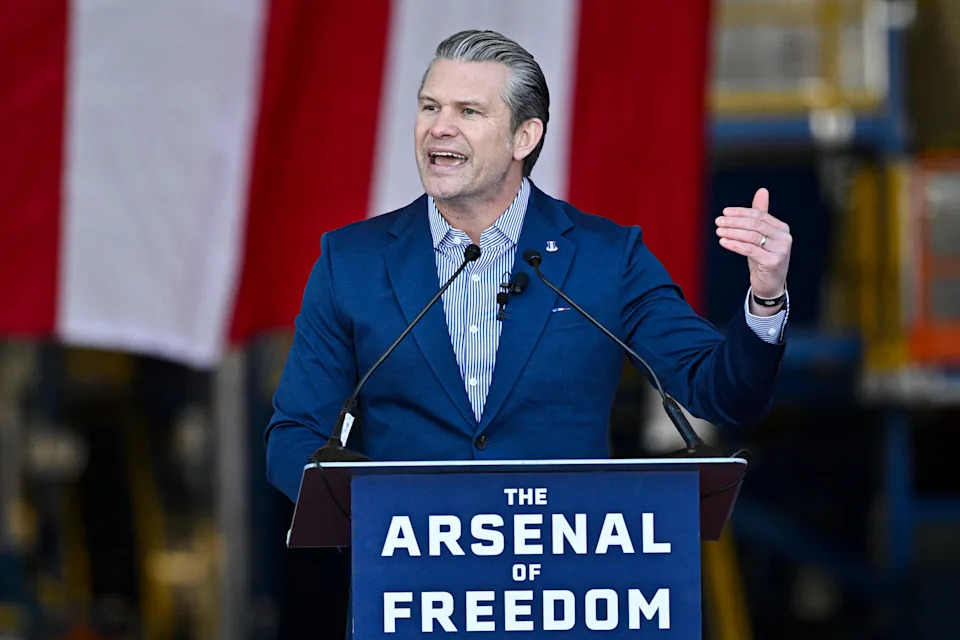
Hegseth, a former Fox News contributor, has been criticized this month for posting workout videos with troops while tension with Iran escalates. / MIGUEL J. RODRIGUEZ CARRILLO / AFP via Getty Images
Context And Stakes
The dispute intensified after reports that Claude was used by the Pentagon in an operation in Venezuela earlier this month that the reporting says led to the capture of President Nicolás Maduro. Anthropic has disputed some of the Pentagon’s public claims about that operation, and Amodei denied assertions that Anthropic warned its partner Palantir about the mission.
The standoff jeopardizes a $200 million Pentagon contract signed in July for Anthropic to develop “AI capabilities that advance U.S. national security.” A defense official told Axios, “The only reason we’re still talking to these people is we need them and we need them now. The problem for these guys is they are that good.”

Hegseth's negotiating tactics could cause problems for future contracts between the Pentagon and Silicon Valley, experts warn. / Chip Somodevilla / Getty Images
Legal And Policy Implications
Invoking the Defense Production Act to compel access to a commercial AI model would be legally and politically sensitive. The DPA can force companies to prioritize government orders and, in some cases, relinquish control over certain technologies, but doing so while simultaneously labeling the same product a security risk could undermine the Pentagon’s credibility and complicate future procurement relationships.
The Pentagon has been contacted for comment. Observers say the dispute highlights a growing tension between national security demands and technology companies’ safety and ethics guardrails.
Help us improve.