Ali Larijani, 68, is exerting significant influence over Iran’s nuclear policy from behind the scenes after his reappointment as head of the Supreme National Security Council following the 2025 Iran–Israel war. A former IRGC veteran, state broadcaster chief and parliamentary speaker, he combines conservative credentials with pragmatic diplomacy and previously led Iran’s nuclear talks. Larijani supports the 2015 nuclear deal, warns that sustained external pressure could change Iran’s nuclear posture, and was sanctioned by the US over alleged repression of protests.
Ali Larijani: The Veteran Insider Steering Iran’s Nuclear Policy From Behind the Scenes
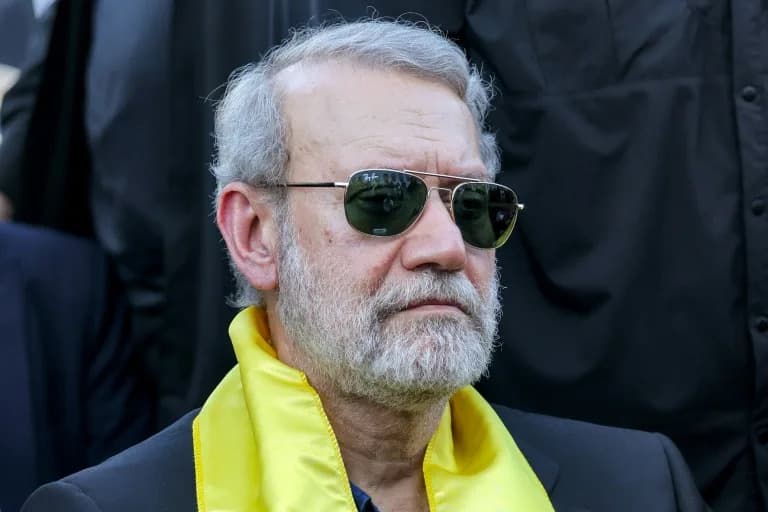
Iran's security chief Ali Larijani won't attend renewed talks with US negotiators in person, but the veteran insider is a central figure in the Islamic republic's security and nuclear policy (Anwar AMRO)(Anwar AMRO/AFP/AFP)
As US and Iranian delegations prepare to meet in Geneva, much of Tehran’s nuclear policy is being shaped offstage by Ali Larijani, Iran’s senior security official. Though not at the negotiating table, Larijani is widely seen as a central architect of the country’s strategic diplomacy and nuclear posture.
From Military Cadet To Senior Statesman
Born in Najaf, Iraq, in 1957 to a prominent Shiite cleric close to the Islamic Republic’s founder, Larijani has spent decades inside Iran’s political and security establishment. He holds a PhD in Western Philosophy from the University of Tehran and is a veteran of the Islamic Revolutionary Guard Corps (IRGC) during the Iran–Iraq war. His career spans leadership of state media (heading IRIB from 1994), two decades of parliamentary leadership, and previous service on the Supreme National Security Council (SNSC).
Role In Nuclear Diplomacy
Weeks after the 2025 Iran–Israel war, Larijani was reappointed head of the SNSC — the body that coordinates defence strategy and oversees nuclear policy. He previously served as Iran’s chief nuclear negotiator (2005–2007) and supported the 2015 nuclear agreement (the JCPOA). Since his recent return to the SNSC he has been more visible diplomatically, traveling to Moscow to meet President Vladimir Putin and visiting Gulf states such as Oman and Qatar as Tehran resumed cautious talks with Washington.
Pragmatism Within Conservatism
Analysts describe Larijani as a conservative with pragmatic instincts. Ali Vaez of the International Crisis Group called him "a true insider, a canny operator, familiar with how the system operates and familiar with the supreme leader's inclinations." That reputation underpins his approach: defending Iran’s sovereign right to enrich uranium while arguing negotiations with the US should remain narrowly focused on the nuclear file.
“We are not moving towards (nuclear) weapons, but if you do something wrong in the Iranian nuclear issue, you will force Iran to move towards that because it has to defend itself,”
he told state television in March 2025, warning that sustained external pressure could alter Iran’s nuclear posture.
Domestic Politics And International Pressure
Larijani faces competing pressures at home and abroad. He was sanctioned by the United States in January over allegations that Iranian officials "violently repressed" nationwide protests linked to economic strains. Larijani has acknowledged that economic pressures contributed to the unrest but has blamed violence that followed on foreign interference.
Observers also point to his political ambitions. Vaez says Larijani has eyes on higher office, which creates incentives to both preserve the system and maintain political flexibility — a balance that shapes his public posture and behind-the-scenes maneuvering.
What To Watch
Expect Larijani to continue to manage Iran’s diplomatic signals while keeping direct negotiations tightly scoped. His return to the SNSC suggests Tehran is betting on an experienced operator who can calibrate pressure, diplomacy, and deterrence — and who may be positioning himself for a broader political role.
Bottom line: Whether in Moscow, Gulf capitals or strategic security meetings in Tehran, Larijani is a pivotal figure whose mix of conservative credentials and pragmatic statecraft will shape the course of Iran’s nuclear diplomacy in the near term.
Help us improve.