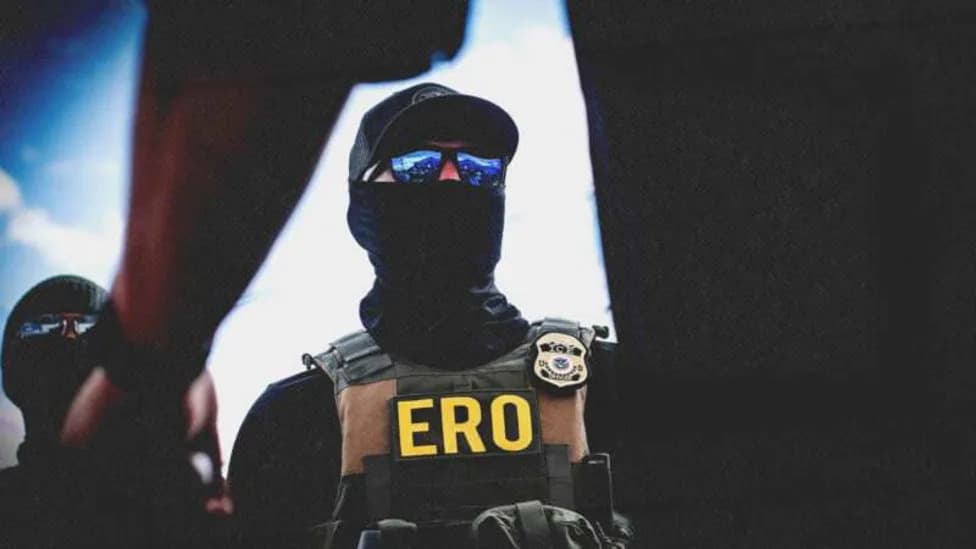
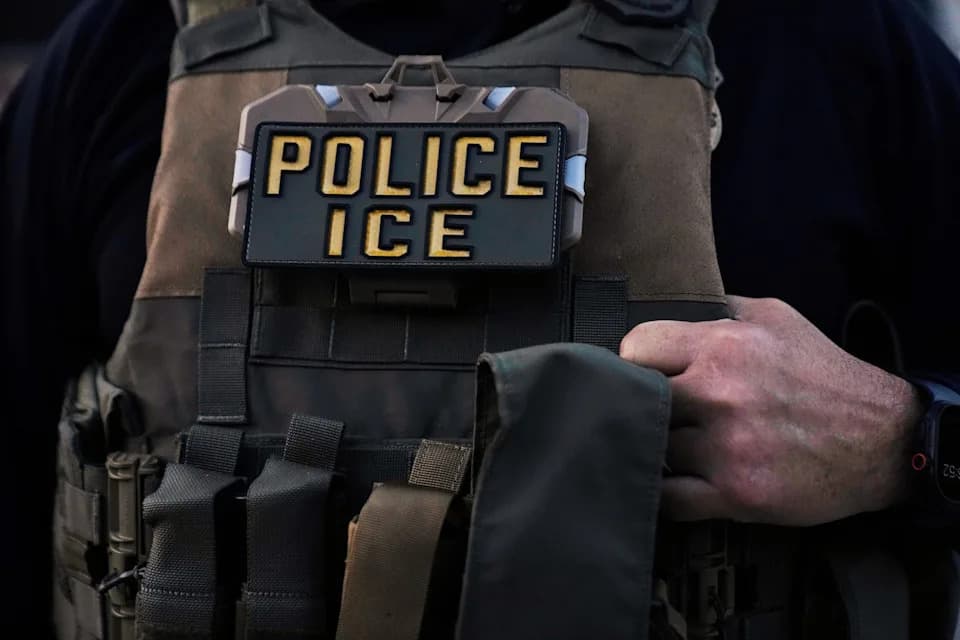
Former ICE instructor Ryan Schwank testified that the agency's revamped training is "deficient, defective, and broken," warning it risks unlawful arrests and even deaths. He said training hours were cut from 584 to 344 and that classes on the Constitution, use of force, and lawful arrests were removed. DHS denies removing core requirements and says the program was "streamlined," while Schwank says cuts were made to meet hiring targets tied to recent legislation. Lawmakers convened a hearing to probe constitutional and public-safety risks.
ICE Whistleblower Warns Training Is 'Deficient, Defective, and Broken,' Says It Risks Unlawful Arrests
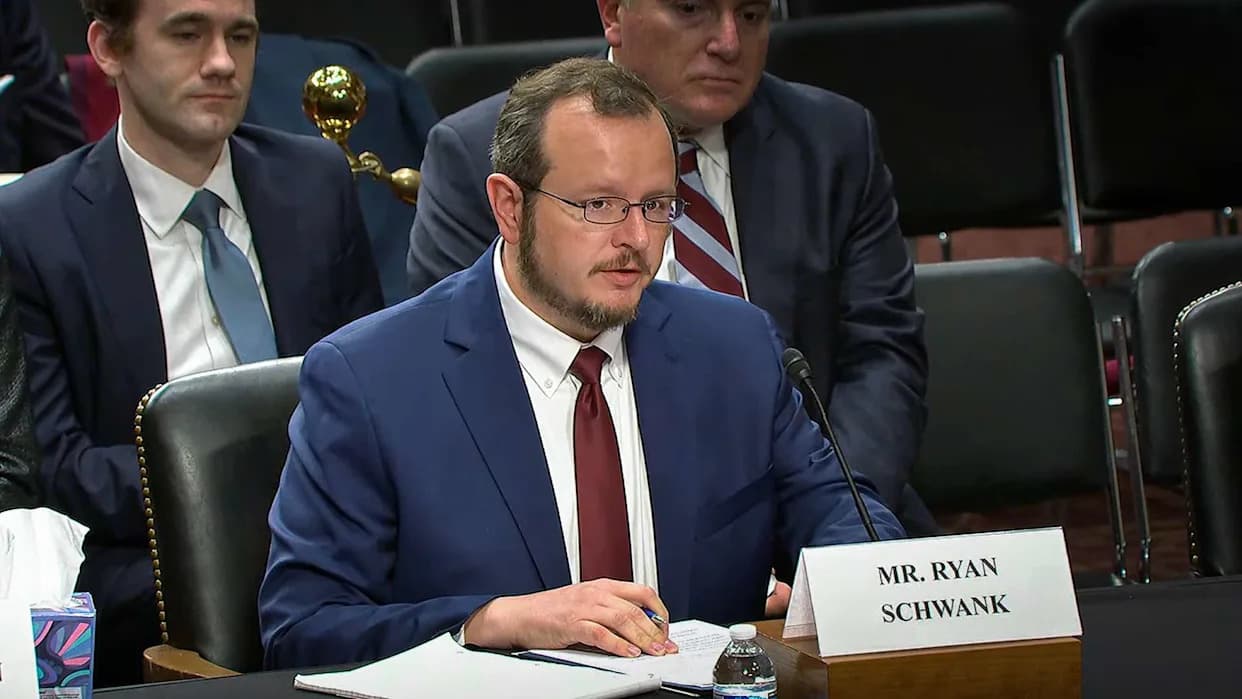
ICE Whistleblower Says Training Is 'Deficient, Defective, and Broken'
Former ICE instructor and attorney Ryan Schwank told Congress on Monday that the agency's revamped training program is "deficient, defective, and broken," a failure he says has already contributed to constitutional violations and unlawful arrests. Schwank warned bluntly that "deficient training can and will get people killed."
What Schwank Testified
Schwank spoke at a public hearing convened by Sen. Richard Blumenthal (D–Conn.) and Rep. Robert Garcia (D–Calif.) about a leaked ICE memorandum that, according to the whistleblower, asserts federal agents can enter homes without a judicially signed warrant. Schwank, who filed his disclosure anonymously in January and resigned from ICE in protest recently, said he volunteered five months ago to help train "new, inexperienced recruits" amid a push to hire thousands of new officers.
He told lawmakers that on his first day of instruction he received secretive orders to teach cadets tactics that would permit entering homes without judicial warrants. Schwank also said the basic training timeline has been cut nearly in half—from 584 hours to 344 hours—after removing what he described as "vital classes" on the Constitution, use of force, and lawful arrests. He emphasized a notable omission: instruction on the "objectively reasonable" standard that governs when officers may lawfully use deadly force.
"Deficient training can and will get people killed." — Ryan Schwank
Agency Response
Acting ICE Director Todd Lyons told Congress earlier this month that training was shortened during last year's hiring surge but insisted the curriculum's substance was not compromised. The Department of Homeland Security (DHS) echoed that position in a statement to Reason, saying training was "streamlined" to remove redundancy and supplemented with technology and on-the-job learning rather than having requirements removed.
Schwank strongly disputed that account, saying DHS is "outright lying" and asserting that essential cuts were made to meet hiring targets tied to legislation referenced as the One Big Beautiful Bill Act signed in July. He warned: "Without reform, ICE will graduate thousands of new officers who do not know their constitutional duty, do not know the limits of their authority, and who do not have the training to recognize an unlawful order." DHS told Reason it plans to train an additional 12,000 officers in 2026.
Broader Concerns and Context
Heightened scrutiny of DHS training and ICE policies followed the fatal January shootings of Renée Good and Alex Pretti in Minneapolis, though critics say concerns about excessive force and misleading statements from ICE had been building for months. Schwank's testimony and disclosure add to long-running criticisms of the agency, including allegations of unlawful warrantless arrests, failure to comply with court orders on immigrant detention, inhumane and overcrowded detention conditions, and inadequate access to counsel.
Both Schwank's disclosure and the hearing record assert that ICE agents are being trained to enter homes without a judicially signed warrant—a practice that, if true, would raise serious Fourth Amendment concerns. Federal law enforcement officers, including ICE personnel, are sworn to uphold the Constitution, and Schwank urged congressional oversight and reforms to ensure public safety and constitutional compliance.
Bottom line: Schwank's testimony raises urgent questions about whether recent ICE training changes sacrifice constitutional safeguards for speed and scale. Lawmakers are investigating, and the controversy places DHS training practices squarely under oversight scrutiny.
Help us improve.