
China has placed 40 Japanese firms under new restrictions, imposing export bans on 20 entities and adding 20 more to a watch list over alleged links to Japan's military enhancement. The actions — which name major companies such as Mitsubishi and Subaru — follow comments by Japan's prime minister on potential intervention over Taiwan and come amid a sharp drop in Chinese tourism to Japan. Beijing says the steps are lawful; Tokyo says it will review and respond appropriately.
China Targets 40 Japanese Firms, Citing Military Links; Trade and Tourism Tensions Deepen
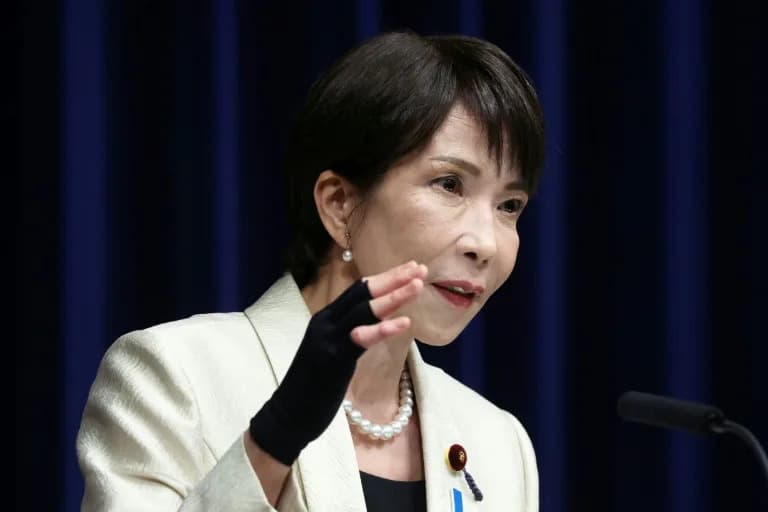
Beijing and Tokyo have been locked in a spat over comments by Prime Minister Sanae Takaichi who said Japan could intervene militarily in any attack on Taiwan (Kiyoshi Ota)(Kiyoshi Ota/POOL/AFP)
China on Tuesday announced measures targeting 40 Japanese companies and entities, saying the actions were necessary to protect national security. Beijing imposed export restrictions on 20 organisations and placed another 20 on a watch list, accusing some firms of contributing to Japan's military capabilities. The move marks a significant escalation in a months-long diplomatic dispute that has coincided with a sharp fall in Chinese tourism to Japan.
Beijing’s commerce ministry named major companies, including Mitsubishi and the Japanese space agency, among those facing immediate export curbs. Effective from Tuesday, Chinese exporters are barred from supplying the listed Japanese entities with dual-use items (goods with both civilian and military applications). Overseas firms are also prohibited from providing those entities with dual-use items that originate in China.
The ministry added a further 20 firms — among them Subaru — to a watch list. Items intended for these companies will face stricter export reviews where there is potential military use. Companies placed on the watch list may apply for removal if they comply with Beijing’s verification requirements.
"The above measures are aimed at curbing Japan's 'remilitarisation' and nuclear ambitions and are completely legitimate, reasonable and lawful," the commerce ministry said in a statement.
A Japanese trade official told AFP that Tokyo would "take appropriate measures" after analysing the likely economic and strategic impact of the new export controls.
Diplomatic Row And Wider Impact
Relations have soured since comments by Japanese Prime Minister Sanae Takaichi in November suggesting Tokyo could intervene militarily if self‑ruled Taiwan were attacked. Since then, Beijing warned its citizens against travel to Japan, and visits from China — once a major source of tourists — have plunged.
Other signs of rising tension include reports that China suspended some imports of Japanese seafood in November (after those purchases had only recently resumed following an earlier ban tied to wastewater releases from the Fukushima nuclear plant in 2023). In a symbolic move, Tokyo returned two giant pandas to China last month, leaving Japan without any of the animals for the first time in 50 years.
Separately, the Wall Street Journal has reported that China has restricted exports of scarce heavy rare earths and the high‑performance magnets made from them to some Japanese firms — a measure that could affect industries from automotive manufacturing to electronics.
Beijing maintains the measures are narrow and lawful and says they target only entities linked to potential military use. Still, the targeted list of household corporate names prompted share-price declines for several firms immediately after the announcement, highlighting business risks from the bilateral dispute.
Tokyo and relevant companies will now assess legal, commercial and supply-chain options as the trade tensions evolve.
Help us improve.





















