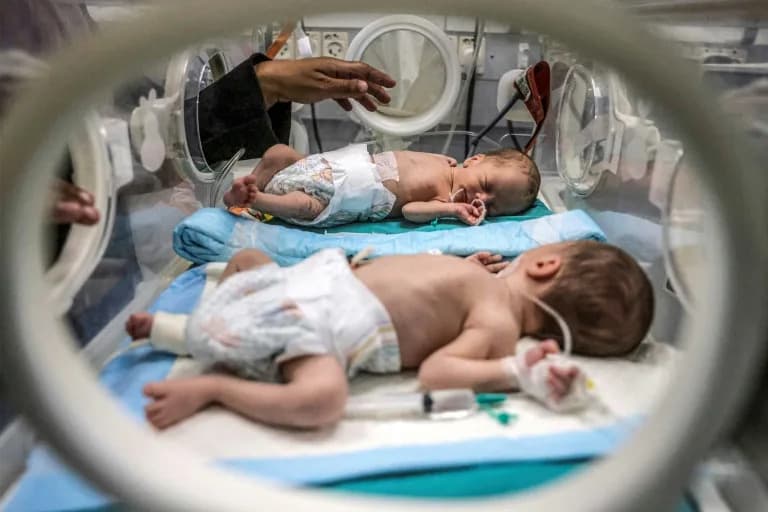
A two-year-old Gaza boy, Nidal Abu Rabeea, died after waiting 14 months for Israeli permission to leave Gaza for specialised medical treatment despite holding referral papers. Gaza’s Health Ministry reports 1,360 patients have died waiting for travel permits since the Rafah crossing was closed on May 7, 2024. Hospitals face shortages, damaged facilities and staffing gaps, and around 350,000 people in Gaza have chronic illnesses. Nidal’s newborn sister remains hospitalised with her own referral papers still unfulfilled.
Gaza Toddler Dies After 14-Month Wait for Permit to Leave for Medical Treatment
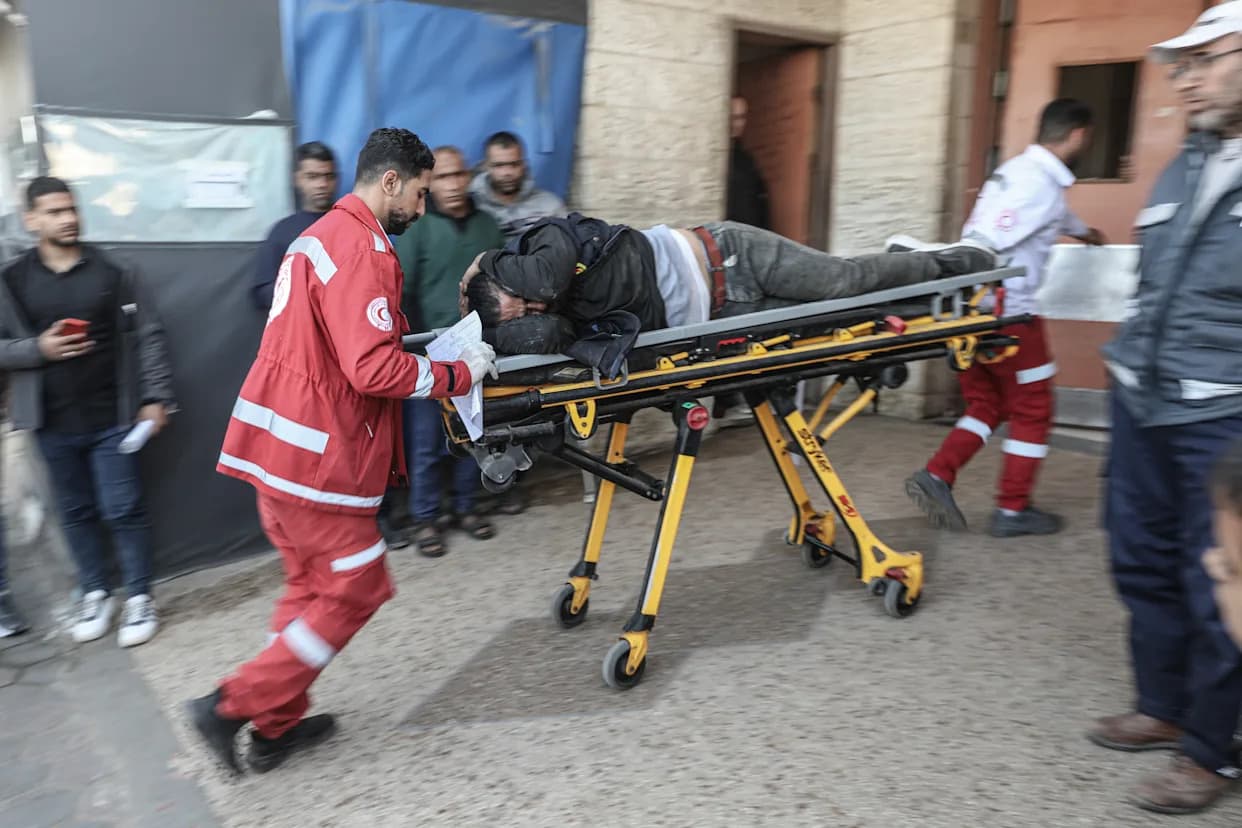
A Palestinian injured in an Israeli army attack arrives at Al-Aqsa Martyrs Hospital on February 10, 2026 [Moiz Salhi/Anadolu]
A two-year-old Palestinian boy, Nidal Abu Rabeea, died after his family waited 14 months for Israeli permission to take him out of Gaza for specialist medical care, his family and Gaza health officials say. The family told Al Jazeera they held medical referral papers authorising treatment abroad but were repeatedly denied exit.
“Israel closed the crossings and killed my son,” Nidal’s mother, Iman Hamdouna, told reporters, saying her son had suffered for months from an enlarged liver and persistent high fever before he died. Local outlets reported the child was two years old.
Healthcare Crisis and Patient Evacuations
Hospitals across Gaza have been operating under severe shortages of equipment, medicines and staff and have seen many facilities damaged, health officials say. Gaza Ministry of Health spokesperson Zaher al-Wahidi told Al Jazeera that 1,360 patients have died while waiting for permits to travel for medical treatment since May 7, 2024 — the day the Rafah crossing, Gaza’s main exit to the outside world, was closed.
Thousands of patients seek urgent evacuations through the Rafah crossing after a limited reopening on February 2, but approvals have been slow and heavily restricted. Between February 2 and 18, data from the Gaza Government Media Office shows 1,148 Palestinians moved through Rafah in both directions — 640 departed and 508 returned — compared with the 3,400 people the ceasefire deal would have allowed for that period. The office also reported 26 people were turned back when attempting to leave.
Five Key Challenges
According to Gaza health officials, the health system faces a near halt to patient evacuations, shortages of medical equipment and medicines, widespread destruction of facilities, and a critical shortage of medical staff.
The Health Ministry says about 350,000 people in Gaza have chronic illnesses that require ongoing care, and officials point to dramatic drops in long-term patient numbers as an indicator of the crisis: for example, registered kidney patients fell from 1,244 before the war began in October 2023 to 622, according to al-Wahidi.
Family Still Waiting
Nidal’s newborn sister remains admitted at Al-Aqsa Hospital in central Gaza. She was born one month before her brother’s death and, like him, has official medical referral papers for treatment abroad that have not been fulfilled. “She is lying sick in Al-Aqsa Hospital. My son died, and I’m afraid I will lose my daughter,” Hamdouna said.
Under the October ceasefire agreement between Israel and Hamas, Israeli authorities committed to reopening the southern Rafah crossing for medical evacuations, with an expected capacity of up to 50 patient evacuations per day. Officials and monitors say the actual number of evacuations has been far lower than the agreement envisaged.
Reporting from local media outlets and statements from Gaza health officials form the basis of these figures. The situation remains fluid and subject to change as crossings, permissions and security conditions evolve.
Help us improve.