Four governors—Laura Kelly, Andy Beshear, Mike Braun and Mike DeWine—reacted to a 6–3 Supreme Court decision that limited presidential tariff authority, describing mixed effects on agriculture, bourbon and manufacturing. They urged clearer, legally grounded trade policy and warned that tariffs largely shift costs to U.S. consumers and businesses. On immigration, governors called for secure borders, humane enforcement and coordination with states while warning that revoking TPS for Haitians would harm local labor markets. All stressed bipartisan, problem-focused governance amid threats and heated political rhetoric.
Governors React to Supreme Court Tariff Ruling, Immigration Strains and Political Threats
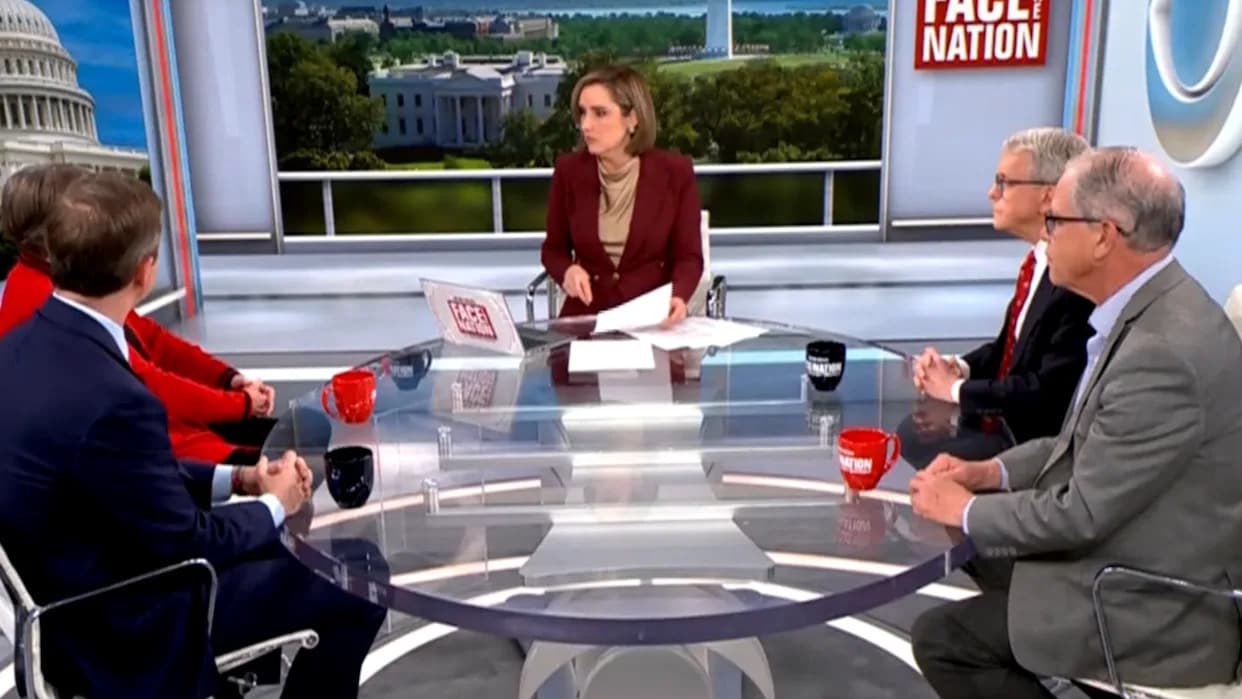
On Feb. 22, 2026, Kansas Gov. Laura Kelly (D), Kentucky Gov. Andy Beshear (D), Indiana Gov. Mike Braun (R) and Ohio Gov. Mike DeWine (R) joined CBS's Face the Nation to discuss the Supreme Court's recent 6–3 ruling limiting presidential tariff authority, the local economic effects of tariffs, immigration enforcement and the fraught political environment facing state officials.
Supreme Court Ruling and Economic Impact
The justices ruled 6–3 that the president exceeded his authority under a 1977 statute when imposing certain tariffs. Governors described mixed local effects: agriculture and bourbon producers reported harm from retaliatory duties, while some manufacturing sectors saw early signs of reshoring and new investment. Several governors referenced studies and regional analyses concluding that most tariff costs are ultimately borne by U.S. businesses and consumers.
Key economic concerns raised: potential relief for farmers and distillers, higher input costs for manufacturers and construction, and the legal limits of executive trade actions.
What the Governors Said
Gov. Laura Kelly said she hoped the ruling would reduce uncertainty for Kansas agriculture and restore more stable trading conditions. Gov. Andy Beshear emphasized that tariffs act like a tax on American consumers and businesses and urged that trade policy be developed with congressional input to provide stability. Gov. Mike Braun framed tariffs as one tool to redress decades-long trade imbalances but acknowledged the court’s constitutional finding. Gov. Mike DeWine stressed mixed effects in Ohio: agriculture suffered, while some manufacturing investment appears tied to reshoring — even as automation and AI continue reshaping the labor market.
White House Reaction and What Comes Next
The governors described a terse White House exchange after the ruling; the president publicly expressed displeasure and later announced ideas such as a proposed 10% global tariff. Governors warned that any future executive actions risk renewed legal challenges and urged measured, transparent policymaking that considers small businesses and farmers.
Immigration, TPS And State Impacts
Immigration dominated the discussion that followed. Governors agreed on the need for secure borders and orderly legal pathways, but differed on enforcement tactics. Gov. Beshear condemned aggressive ICE operations and called for retraining and accountability. Gov. Kelly urged federal coordination with local law enforcement so operations target violent criminals rather than disrupting communities. Gov. DeWine defended Temporary Protected Status (TPS) for Haitian migrants in Ohio, saying their work has revived local economies and warning that revoking TPS would hurt employers and communities. Gov. Braun highlighted Indiana’s low unemployment and workforce needs and supported legal immigration mechanisms tailored to state labor demands.
Political Climate, Threats And Governing Across The Aisle
Governors described an increasingly tense political climate at home: Indiana lawmakers and officials were targeted with swatting and threats after high-profile redistricting disputes, and Ohio saw bomb threats near schools tied to heated rhetoric. The governors emphasized practical problem-solving as the core of their roles — building cross-party relationships, focusing on infrastructure, jobs, public safety and education, and protecting public institutions from harassment and intimidation.
Takeaway
Across party lines, the governors urged sober, bipartisan approaches: ensure trade policies are legally sound and economically targeted, coordinate humane and effective immigration enforcement, protect public servants from threats, and prioritize pragmatic solutions that serve residents’ daily needs.
Help us improve.