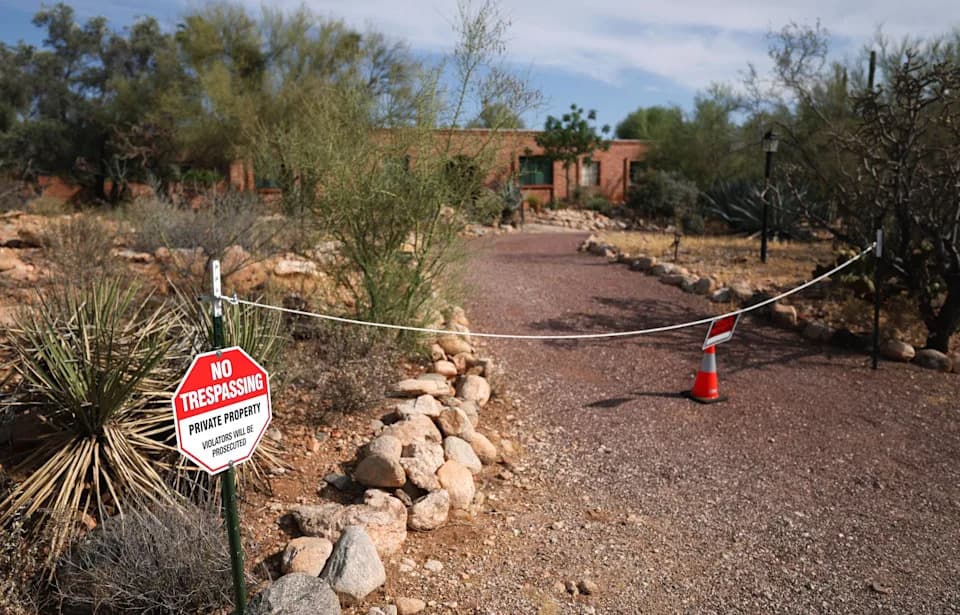
Investigators in Tucson are using investigative genetic genealogy after DNA from gloves found about 2 miles from Nancy Guthrie’s home produced no matches in the FBI’s CODIS database. The Pima County Sheriff’s Department says the gloves’ DNA also does not match other genetic material recovered at Guthrie’s property, and family members have been cleared. Experts note that genealogy is often a last resort that has solved major cold cases, but it requires sufficient, preferably single-source or dominant-contributor DNA and raises privacy concerns when consumer databases are used.
Investigators Turn to Genetic Genealogy After DNA Yields No CODIS Matches in Nancy Guthrie Case

In an aerial view, a Pima County sheriff's deputy keeps guard outside of Nancy Guthrie's residence on Feb. 15, 2026, in Tucson, Arizona. / Credit: Brandon Bell/Getty Images
Investigators in Arizona have begun using investigative genetic genealogy as they probe the disappearance of 84-year-old Nancy Guthrie. Nearly three weeks after Guthrie was believed to have been taken from her Tucson home, authorities say no suspect has been publicly identified and family members have been cleared.
What DNA Evidence Shows So Far
The Pima County Sheriff’s Department reported that DNA from a pair of gloves found about 2 miles from Guthrie’s residence produced a profile that did not match any records in the FBI’s Combined DNA Index System (CODIS). Officials also said the gloves’ DNA did not match other genetic material recovered at Guthrie’s property; investigators recovered biological evidence at the home that does not belong to Guthrie or to people in close contact with her.
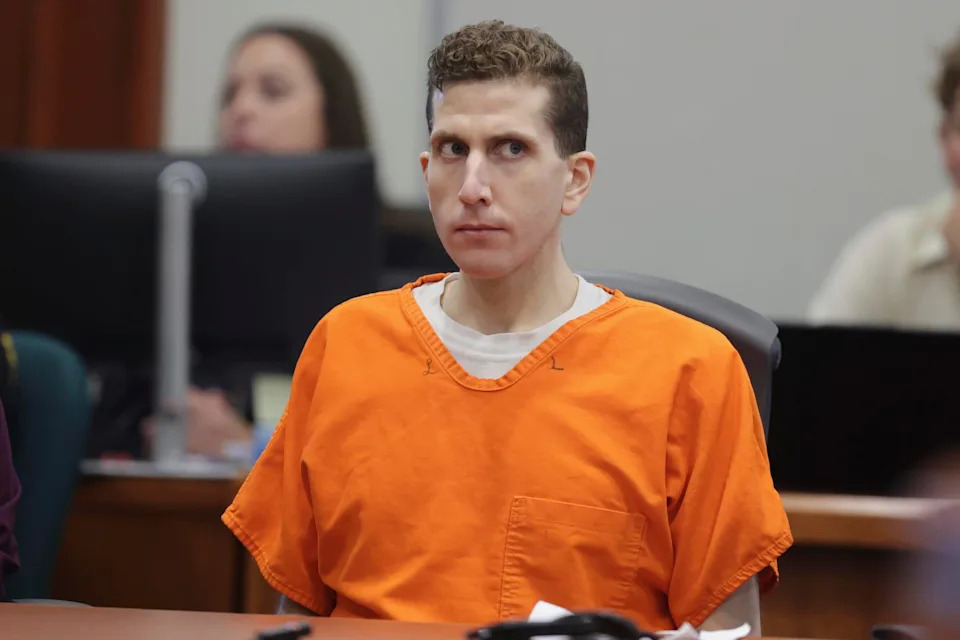
Bryan Kohberger appears at his sentencing hearing July 23, 2025, in Boise, Idaho. / Credit: AP Photo/Kyle Green, Pool
Why Genetic Genealogy Is Being Considered
Authorities indicated they are exploring investigative genetic genealogy and will query commercial consumer DNA databases that are separate from CODIS. Emanuel Katranakis, a former NYPD deputy chief who led the force’s Forensics Investigations Division, told CBS News that genetic genealogy is typically a last investigative step when federal and state database searches produce no direct or partial match. "If this perpetrator has a relative that is a convicted offender in the database, you build a family tree around it," Katranakis said. "You’re throwing a wide net—you’re looking for cousins."
Notable Cases Where Genealogy Helped
Investigative genetic genealogy has solved several high-profile cases. In California, it helped identify Joseph DeAngelo as the so-called Golden State Killer; investigators ultimately confirmed his identity by obtaining a discarded tissue with his DNA. In Idaho, prosecutors said genealogy research helped lead to Bryan Kohberger in the 2022 killings of four college students, with investigators later collecting a Q-tip from a relatives' trash to confirm a match.

Joseph James DeAngelo sits in court during victim impact statements Aug. 20, 2020, in Sacramento, California. / Credit: Santiago Mejia/San Francisco Chronicle via AP, Pool
Laboratory Limits And Privacy Issues
Suzanna Ryan, laboratory director at Pure Gold Forensics, told CBS News that successful genealogical work depends on having enough DNA for additional analysis. An ideal specimen is a single-source profile, such as a bloodstain or semen sample. Laboratories can sometimes work with mixed samples if the potential perpetrator’s DNA predominates (for example, an 80% contributor versus a 20% contributor), but if the suspect is the minor component, genealogical research is usually not feasible.
Use of consumer genealogy databases in criminal investigations has raised privacy questions. FamilyTreeDNA says participation in investigative genetic genealogy is "strictly voluntary and opt-in only" and that such work is handled through an independent third party using a consent-based database. Other commercial DNA companies have been contacted for comment.
Investigators caution that DNA analysis and genealogical research can be lengthy processes, and they continue to follow all leads as laboratory work proceeds.
Help us improve.