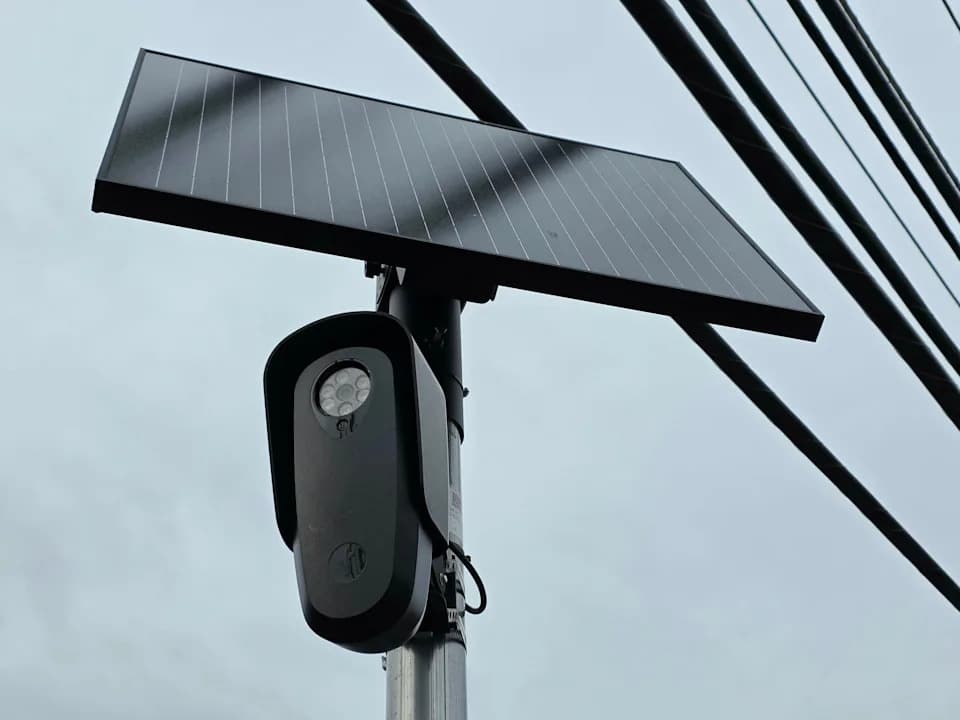
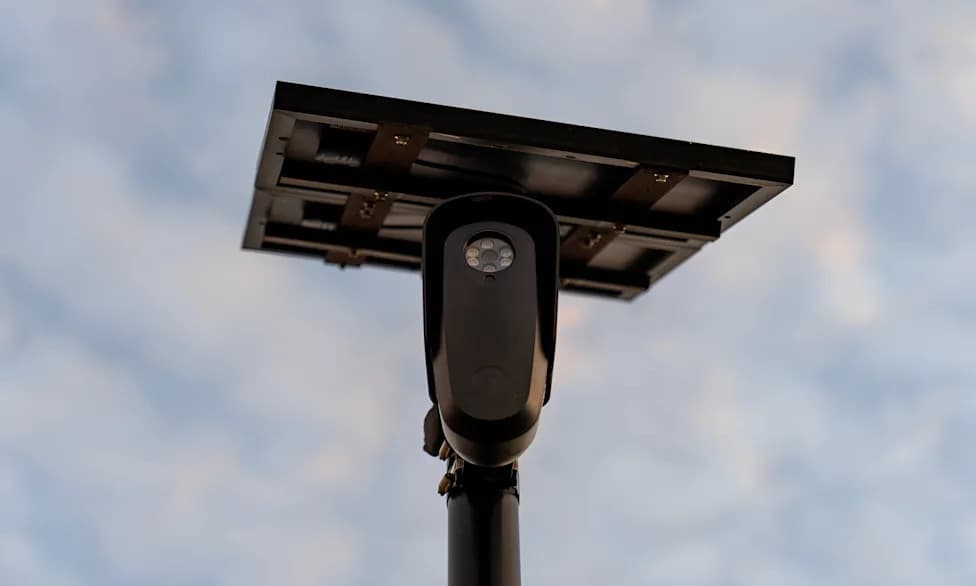
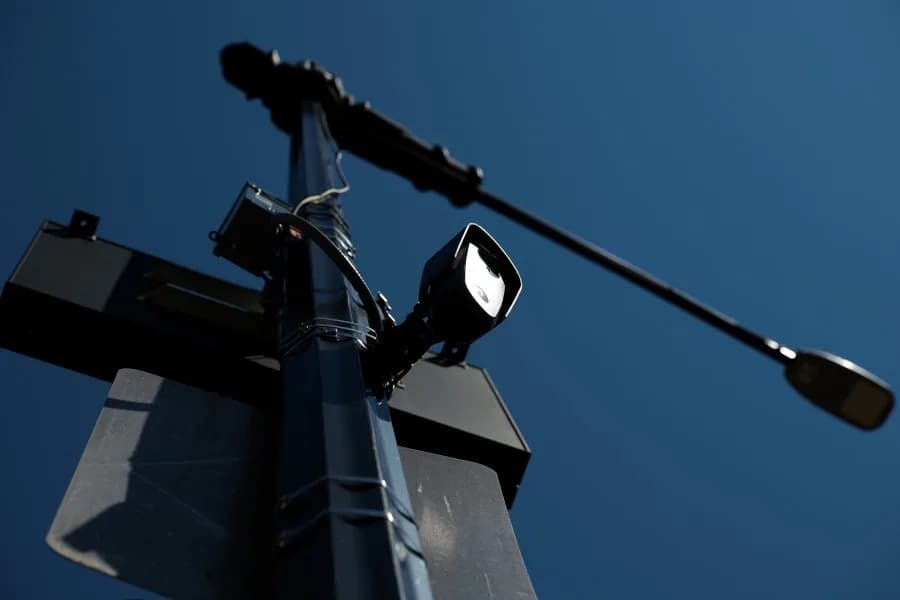
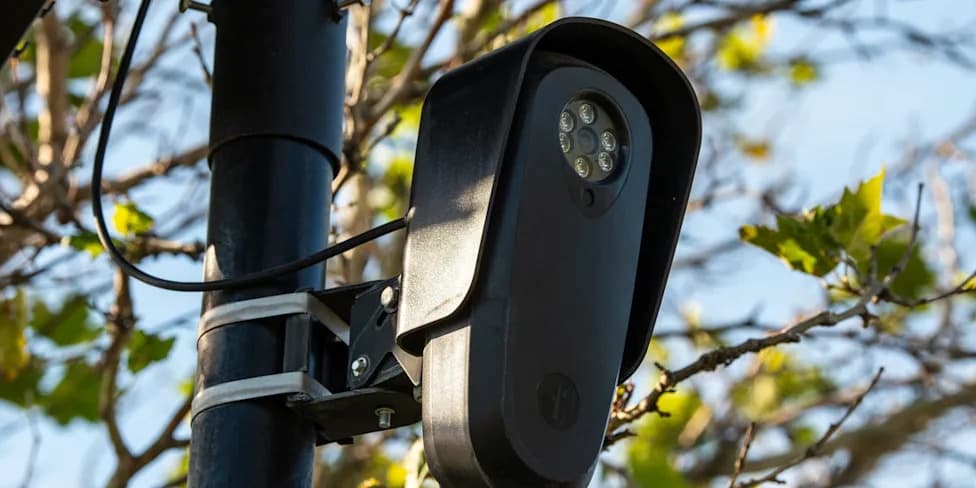
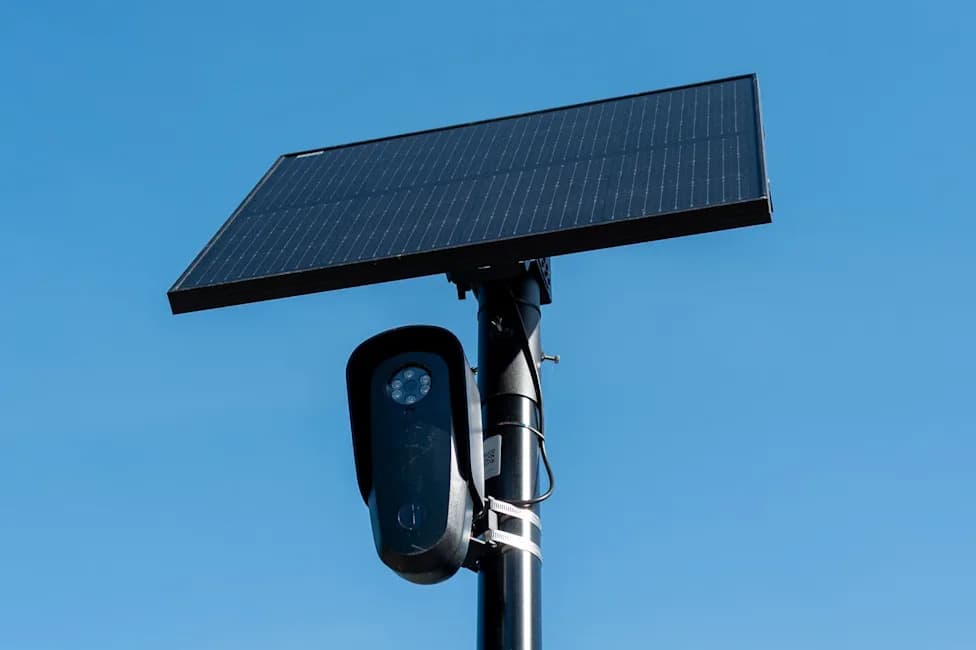
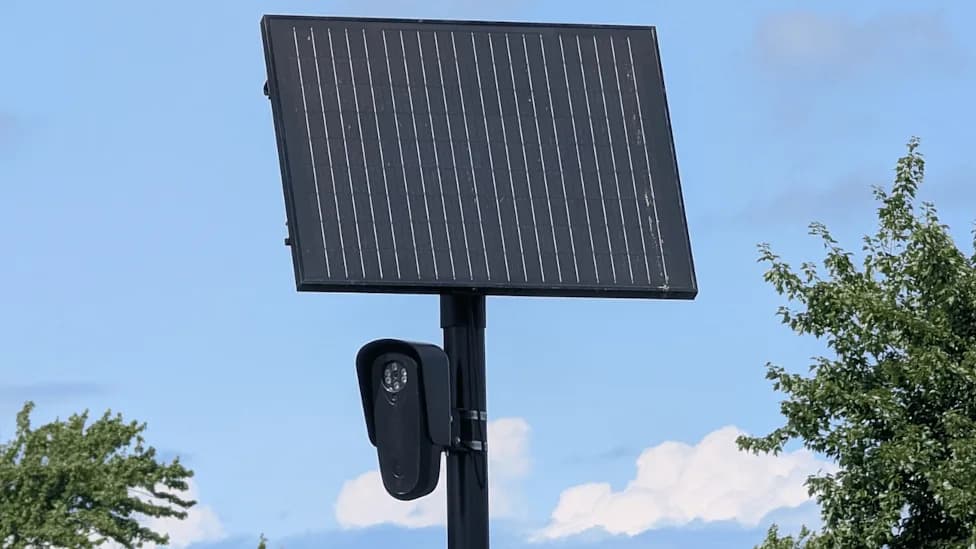
The Super Bowl ad about a missing dog set off public backlash that led Amazon to drop a planned partnership with license-plate camera maker Flock Safety. Privacy advocates say the split is a warning sign for schools that rely on third-party surveillance systems, especially after reporting showed law enforcement routinely accessed school-owned Flock cameras to assist federal immigration enforcement. The controversy intersects with broader debates about campus access by federal agents, district policies limiting such access, and how schools balance safety with student privacy.
After Amazon Drops Flock, Should Schools Rethink Campus Surveillance?
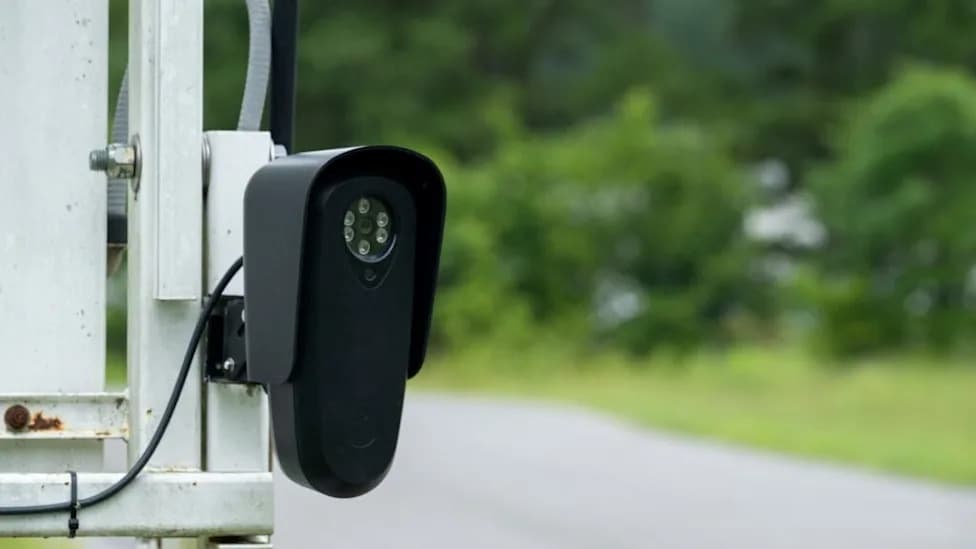
A Super Bowl ad about a missing dog named Milo sparked a national debate about neighborhood surveillance — and it had ripple effects across the private surveillance industry. The commercial prompted heavy public criticism of Amazon-owned Ring and license-plate camera maker Flock Safety, and within days Amazon announced it would abandon a planned partnership with Flock.
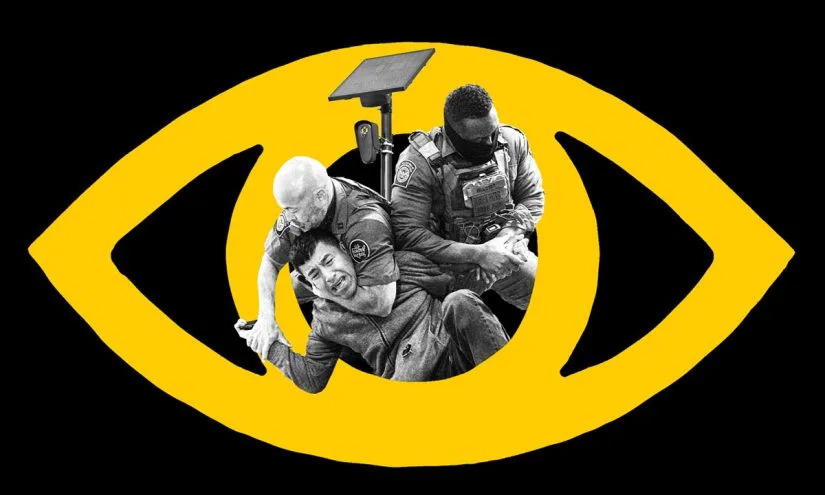
Eamonn Fitzmaurice/The 74 (Source: Ryan Murphy/Getty Images)
Privacy advocates hailed the split as a rare, high-profile pullback from the expansion of surveillance-driven policing and urged school leaders to pay attention. Schools, many of which already deploy camera networks and third-party vendors, face growing questions about privacy, data access, and how surveillance tools can be repurposed by law enforcement.
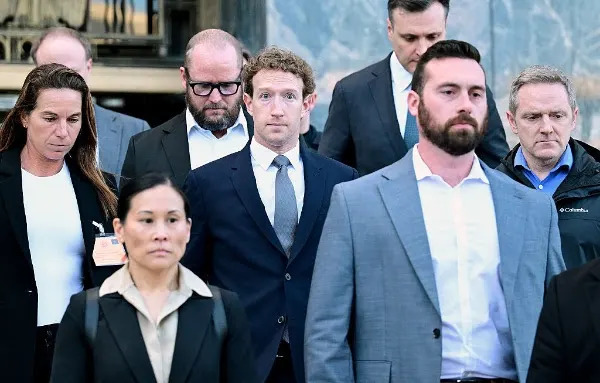
Meta CEO Mark Zuckerberg leaves Los Angeles Superior Court this week. (Photo by Wally Skalij/Getty Images)
"The fact that Amazon is reconsidering their relationship with Flock should be a very large and glaring sign that schools should also perhaps reconsider that relationship," said Kristin Woelfel, policy counsel for equity in civic technology at the Center for Democracy and Technology.
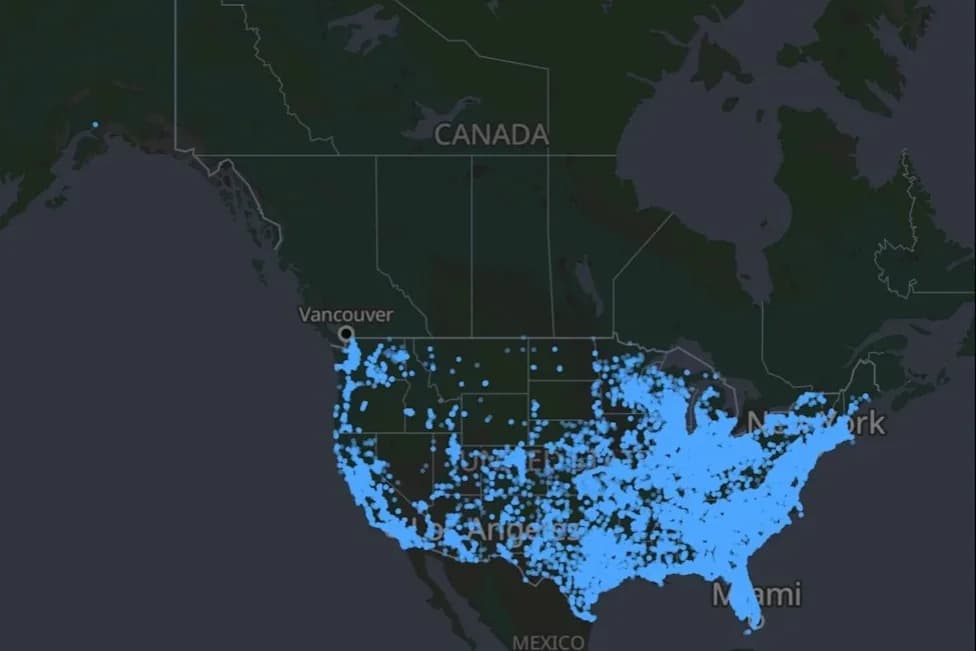
Reporting by The 74 added urgency to the debate, finding that law enforcement agencies nationwide have routinely accessed Flock cameras owned by school districts to assist federal immigration enforcement tied to the Trump administration’s mass immigration operations. That reporting heightened concerns about who can view school surveillance feeds or stored footage and under what legal authority.

Related Developments
Fatal Crash Involving Immigration Chase: A Georgia elementary school teacher was killed when a man being pursued by federal immigration agents crashed into her vehicle, according to the Georgia Recorder — a tragic incident that has intensified scrutiny of federal enforcement tactics.
District Policies Limiting Campus Access: Conservative group Defending Education says roughly 700 school districts have adopted policies restricting federal immigration agents’ access to campuses, highlighting a growing effort to shield students and schools from external enforcement actions.
DHS Spokesperson Steps Down: Tricia McLaughlin, a Department of Homeland Security spokeswoman who denied claims that agents targeted schools, is stepping down, The New York Times reports, amid controversy over surveillance practices.
Broader Context: The conversation about surveillance intersects with other school-safety and student-wellness issues, from debates over reporting chronically absent students to child protective services to continued fallout from school shootings and litigation over social media companies’ effects on youth mental health.
What Schools Should Consider
School leaders and districts that use third-party camera systems should consider several steps: conduct privacy and civil-rights impact assessments, limit external access and data sharing in contracts, require law-enforcement access requests to follow clear legal processes, increase transparency with parents and communities, and explore less intrusive safety measures where appropriate.
As technology and enforcement practices evolve, the Amazon–Flock episode serves as a reminder that vendor relationships carry reputational and ethical risks. Districts weighing surveillance tools should balance safety goals with students’ privacy and civil liberties.
Help us improve.