Genetic genealogy—which combines DNA profiling with family-tree research—has helped solve more than 1,600 cold cases in the U.S. and Canada but is often hampered by high lab and database fees. Public grants are limited, so police and nonprofits increasingly turn to crowdfunding to pay private labs and upload fees that can run into thousands of dollars. Advocates support legislation such as the proposed Carla Walker Act to create dedicated federal grants and upgrade public labs so more cases can be handled without relying on donations.
Crowdfunding Cold Cases: How Genetic Genealogy Cracks Crimes — and Why Cost Remains the Barrier
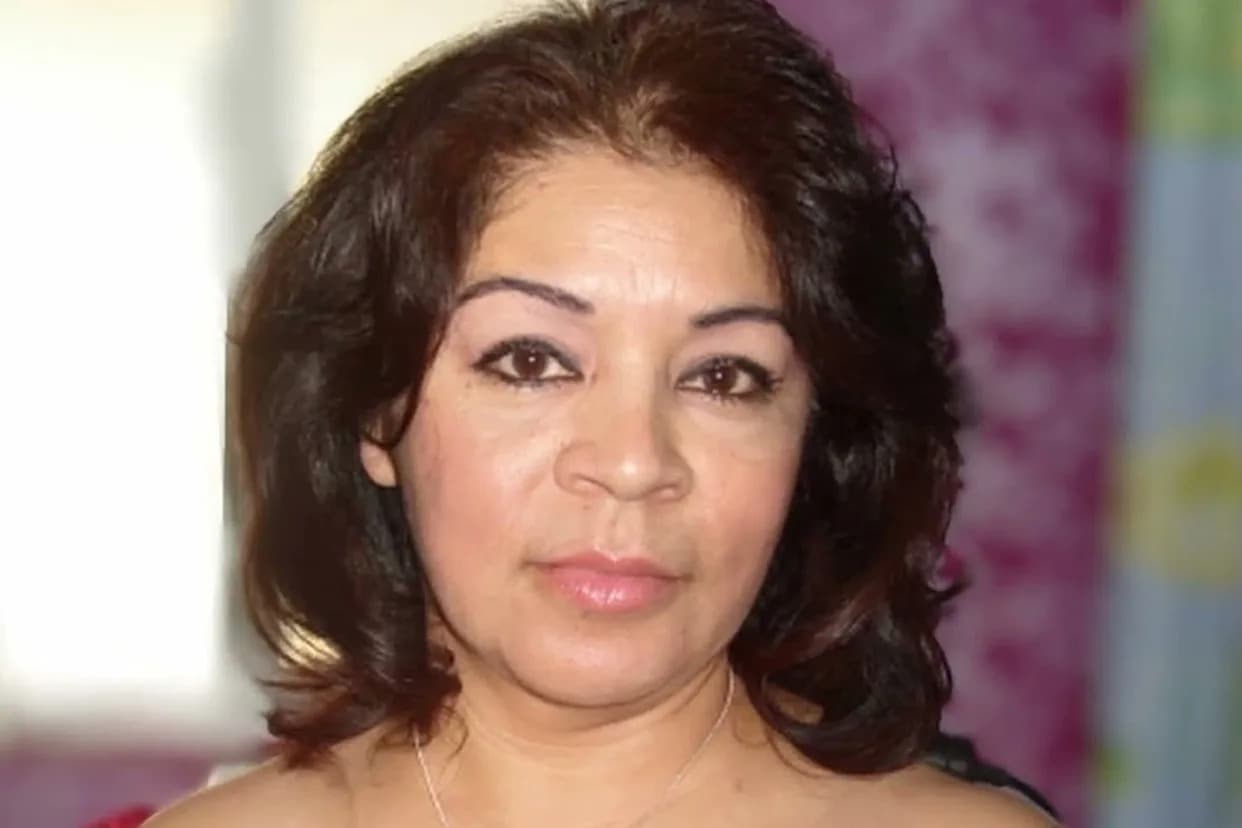
A crowdsourced fundraiser was launched to pay for genetic genealogy in the cold case murder of Juanita Francisco. (Kern County Sheriff’s Office )(Kern County Sheriff’s Office)
When Kern County homicide detective Ashley Sanchez reopened the 2010 killing of bakery owner Juanita Francisco, she turned to genetic genealogy — a powerful forensic method that blends DNA analysis with traditional family-tree research. Sanchez believed evidence could identify a person linked to the case, but the specialized testing required funding that her agency did not have. The work was eventually paid for through a public crowdfunding campaign.
What Genetic Genealogy Does
Genetic genealogy uses a DNA profile from evidence and uploads it to consumer databases that permit law enforcement access — most notably GEDmatch and FamilyTreeDNA — to find genetic relatives. Genealogists then build family trees to narrow potential identities. The technique surged into public view after the arrest of the so-called "Golden State Killer" and has been credited with helping solve more than 1,600 cold cases in the U.S. and Canada.
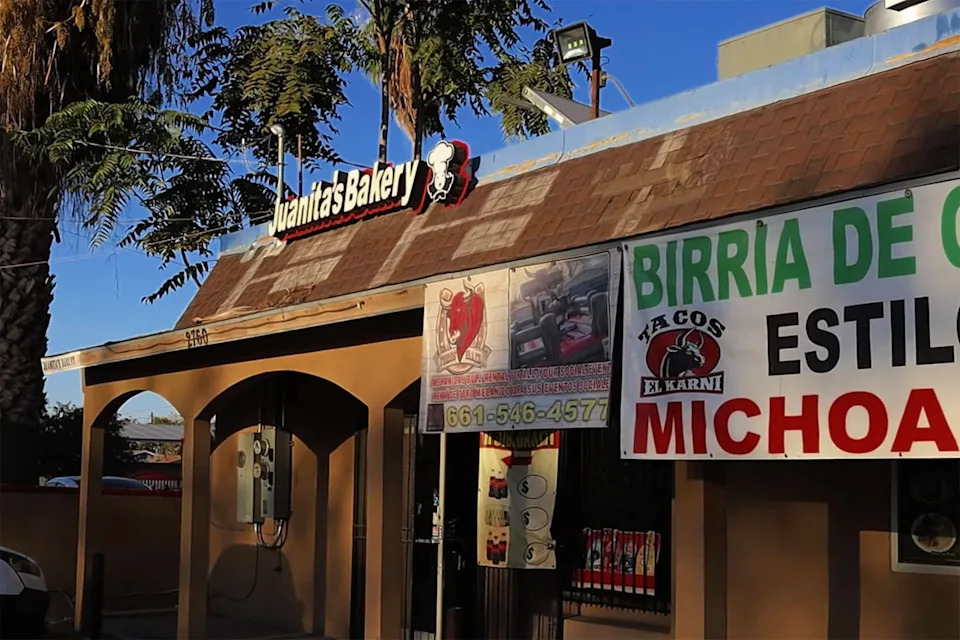
Juanita’s Bakery in Bakersfield, Calif. (Kern County Sheriff's Office )(Kern County Sheriff's Office)
Funding Gaps and Crowdfunding
Despite its success, genetic genealogy is frequently limited by cost. Building a usable DNA profile from old or degraded evidence often requires advanced laboratory work available at only a small number of private labs, such as Othram. These labs use sensitive, newer technologies and research capabilities that many public crime labs lack, but that capability comes with substantial fees. Uploading profiles to consumer databases can also carry fees that exceed $1,000.
Because state and federal grants are limited, many investigations rely on a patchwork of funding: some public grants, philanthropic gifts, nonprofit support and, increasingly, crowdfunding. Sites and organizations such as DNASolves, the DNA Doe Project and Moxxy Forensic Investigations post campaigns to raise money for cases that otherwise cannot be worked. Criminology professor Tracey Dowdeswell estimates roughly 120 of the ~1,600 cataloged cases had crowdfunding support, though some cases use multiple funding sources.
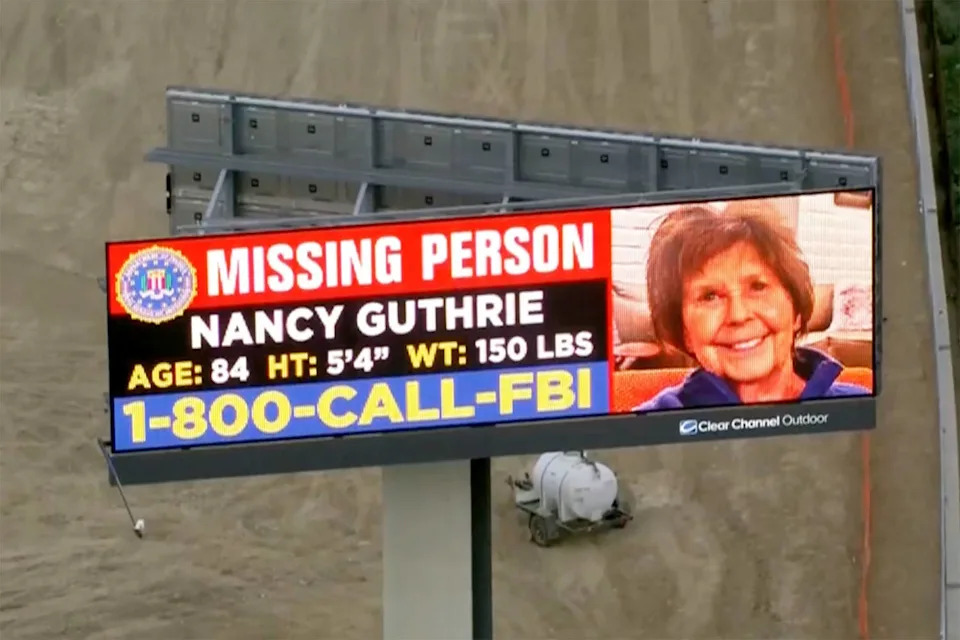
An FBI billboard in California displays a missing person alert for Nancy Guthrie, the mother of "TODAY" show host Savannah Guthrie. (via NBC Los Angeles)(via NBC Los Angeles)
"I think it is amazing that members of the public are willing to donate money to help solve these cases," said David Gurney of Ramapo College, noting that relying on donations is not a sustainable criminal justice model.
Who Does the Work
Some academic centers and several nonprofit groups perform genealogy research with volunteer networks or as part of academic programs. For example, Ramapo College’s Investigative Genetic Genealogy Center mixes casework with a certificate program that helps fund its operations. The DNA Doe Project has solved more than 150 cases using volunteer genealogists who perform much of the research at no cost. Private companies like Othram provide in-house laboratory and genealogy services for a fee and host platforms such as DNASolves to list cases and raise money when needed.
Volunteer genealogists can be remarkably effective once funds allow a DNA profile to be uploaded; in one Arizona case, nearly $5,000 in lab and database fees were raised and volunteers identified the person within about eight hours after the upload was possible.
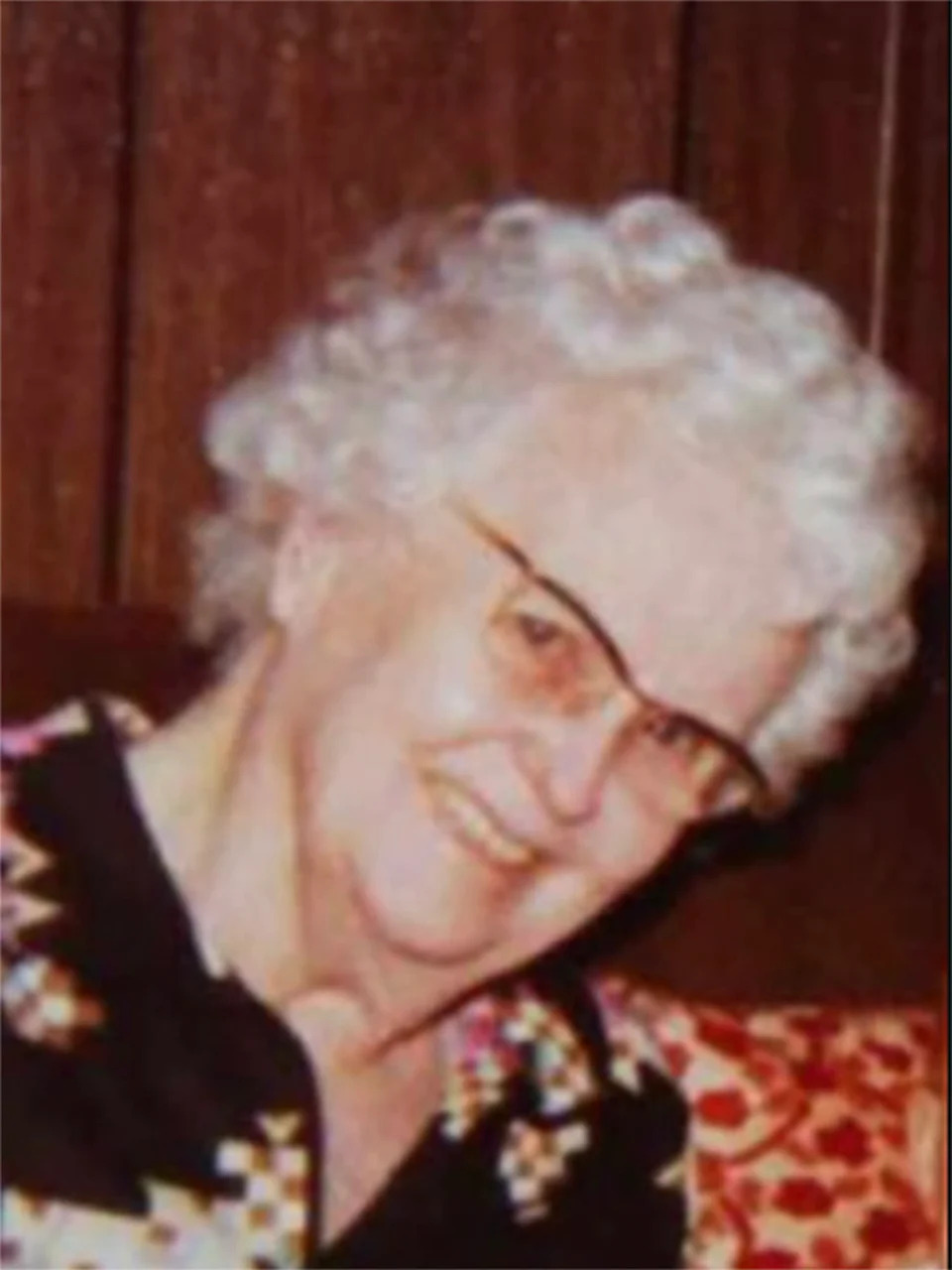
Evelyn "Dottie" Lees. (Pinal County Sheriff's Office)(Pinal County Sheriff's Office)
Policy Solutions and Scale
Advocates argue that predictable public funding is needed to scale genetic genealogy beyond individual crowdfunding campaigns. Othram supports the proposed federal Carla Walker Act, which would create $10 million in annual grants to help law enforcement pay for genetic genealogy services and to upgrade public crime labs so they can perform more of the testing in-house. Supporters say grant funding could let agencies choose among providers, lower costs through competition, and expand capacity across many labs — a necessity if genetic genealogy is to help clear a large backlog of unsolved cases.
For Detective Sanchez, crowdfunding was an unexpected but effective workaround that allowed her to resume investigative work in the Francisco case with new leads. More broadly, experts say funding remains the principal bottleneck to applying genetic genealogy at scale, even as the method continues to deliver answers for families and cold-case investigations.
Originally published on NBCNews.com; reporting and figures referenced in this article were provided by experts and organizations cited.
Help us improve.