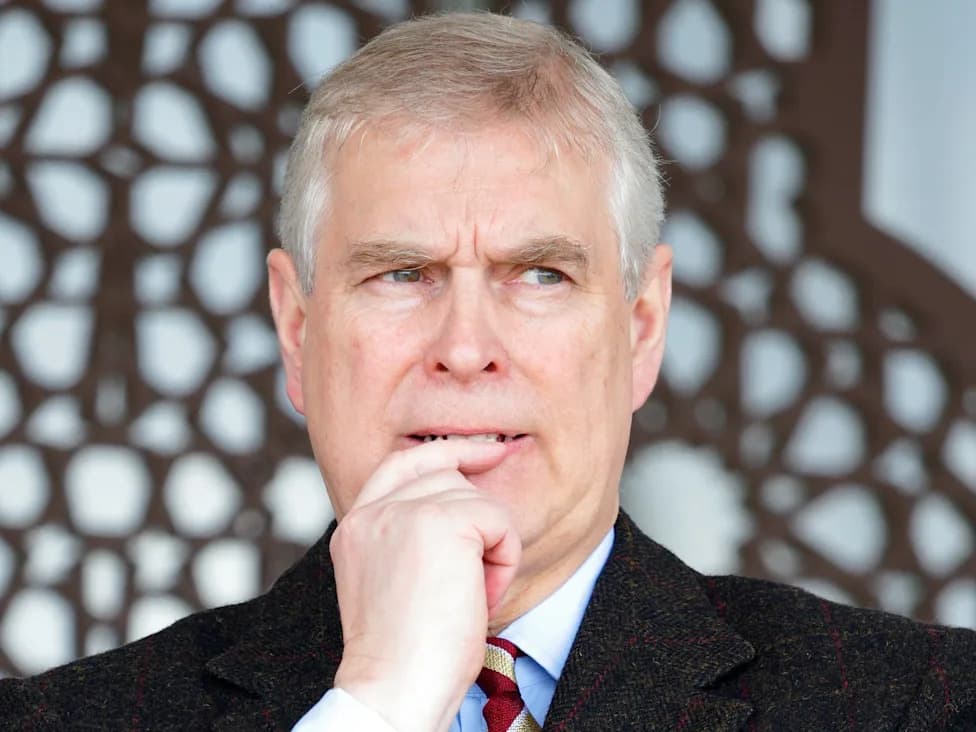
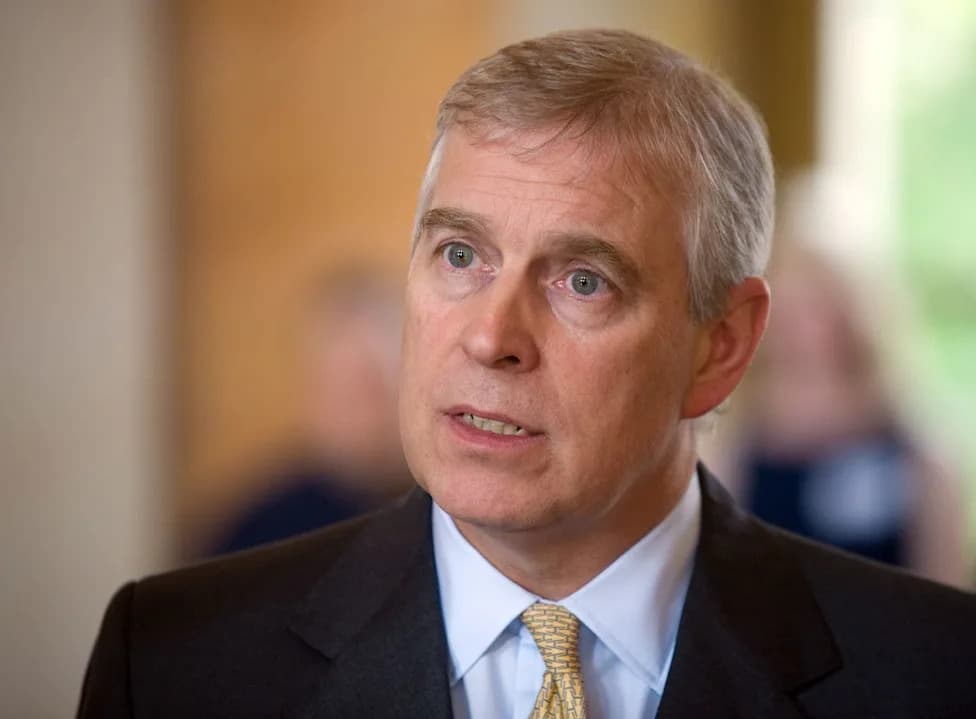
Prince Andrew was arrested on suspicion of misconduct in public office and released under investigation. Authorities are examining his decade as a UK trade envoy and possible links to Jeffrey Epstein, while detectives searched Royal Lodge and asked protection officers for relevant information. Lawmakers are preparing possible legislation to remove him from the line of succession — a change that would also require consent from 14 Commonwealth realms — and MPs have urged stripping him of roles such as Counsellor of State.
What Happens Next After Prince Andrew’s Arrest? Possible Legal, Parliamentary and Constitutional Consequences
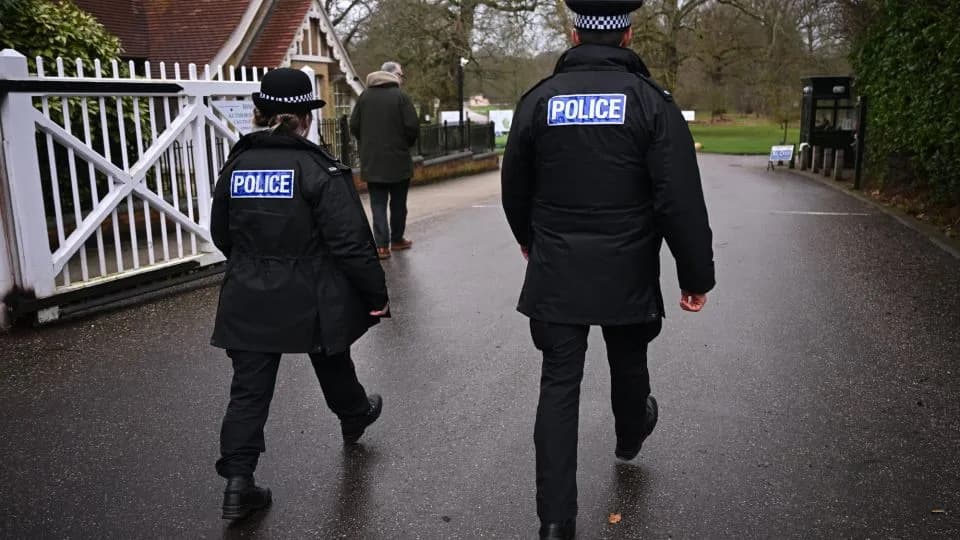
A police officer patrols near the Royal Lodge, Andrew Mountbatten-Windsor's former residence in Windsor Great Park, on Thursday. - Leon Neal/Getty Images
Photographs of Andrew Mountbatten-Windsor, appearing shocked and slumped in the back of a car after leaving a police station, dominated British front pages a day after the royal was arrested on suspicion of misconduct in public office.
What Is Being Investigated?
Police have not disclosed the precise grounds for the arrest of King Charles III’s brother, but authorities say the inquiry focuses on his conduct during roughly a decade serving as a UK trade envoy. Investigators are reviewing claims that he may have shared sensitive information with the late, convicted sex offender Jeffrey Epstein while representing the British government. Andrew has repeatedly denied any wrongdoing related to Epstein and maintained he never witnessed or suspected the conduct for which Epstein was convicted.
Recent Police Actions
Andrew, who turned 66 while in custody, was released the same evening under investigation — a status different from bail that carries no specific court-imposed conditions. That status does not preclude further action: he could be rearrested, invited for follow-up interviews, or asked to provide additional information or witnesses. Detectives have searched Royal Lodge, his former home in Berkshire, and asked current and former royal protection officers to consider whether anything they saw or heard might be relevant to the wider Epstein inquiries.
How the Criminal Process Could Proceed
Gathering and analysing electronic devices, documents and witness statements can take considerable time. Once the police investigation concludes, the Crown Prosecution Service (CPS) will decide whether evidence is sufficient to bring criminal charges. The CPS has not yet provided "early investigative advice" to Thames Valley Police in this probe. There is no statutory time limit for bringing charges in such misconduct-in-public-office investigations.
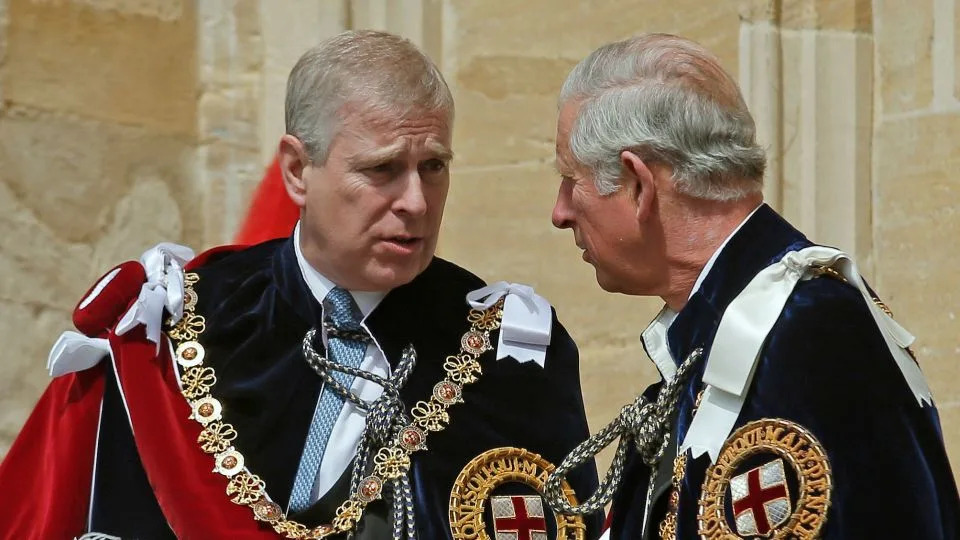
Andrew speaks with then-Prince Charles as they attend the annual Order of the Garter Service at St. George's Chapel at Windsor Castle in 2015 - Peter Nicholls/Reuters
Parliamentary and Constitutional Options
Separately, lawmakers and ministers are preparing for possible constitutional action. CNN understands the government may propose legislation, once the police investigation finishes, to remove Andrew from the line of succession. If enacted, such a law would bar him — currently eighth in line — from ever becoming king. Any change to the succession would also require the consent of the other 14 Commonwealth realms under the convention stemming from the Statute of Westminster 1931.
The likely legislative route would resemble the 1936 precedent used after King Edward VIII’s abdication: a minister would introduce a bill that must pass both Houses of Parliament, receive royal assent, and then be accepted by the Commonwealth realms. The process involves multiple stages of scrutiny and could be time-consuming and politically sensitive.
Other Roles and Titles at Stake
Some MPs have urged the removal of Andrew’s other formal roles. Labour MP Rachael Maskell has called for him to be stripped of his status as a Counsellor of State — a role that allows designated royals to act on the sovereign’s behalf when needed. Removing him from the succession would also render him ineligible to serve as a Counsellor.
What Happens Next?
The police inquiry, any subsequent CPS decision, and potential parliamentary measures could stretch over months given the complexity of the matters, the need for careful evidence review, and coordination with multiple jurisdictions. Possible outcomes range from no charges, to prosecution, to parliamentary action altering his place in the succession and removing formal roles — each carrying different legal and constitutional consequences.
Note: This account summarizes the situation as reported by authorities and media; developments may change as investigators and officials proceed.
Help us improve.