Republican primaries in Texas have shifted toward anti-Muslim messaging, with several candidates using unproven claims about a "Muslim invasion" and efforts to impose Sharia law. High-profile incidents — including a Quran burning and disruptions at mosque events — and political moves like Gov. Greg Abbott’s designation of CAIR have real consequences for roughly 300,000 Texas Muslims. A Rasmussen poll shows 77% of likely voters express concern about "radical Islam," while critics warn that normalizing this rhetoric erodes American pluralism and equal rights.
Fear Over Policy: Islamophobia Dominates Texas GOP Primaries
Islamophobia takes center stage in Texas’ Republican primaries
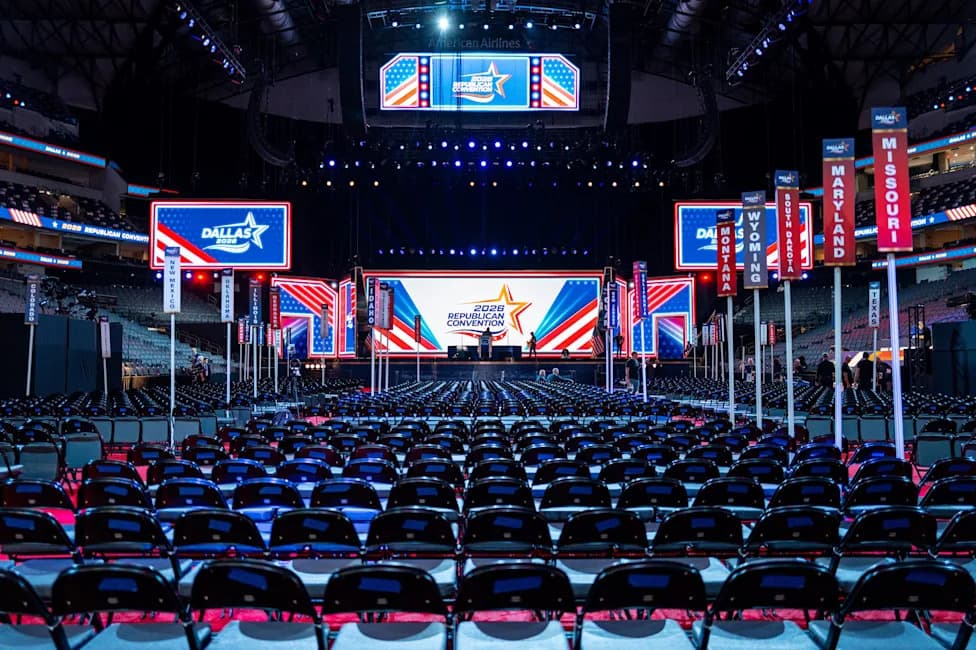
In the lead-up to the Texas Republican primaries, debates over affordability, inflation and the border have been overshadowed by a different focus: religion — specifically, anti-Muslim rhetoric. What began as a crowded field of contenders competing on policy has shifted toward fear-based messaging that targets Muslim Americans.
Campaign Rhetoric and Examples
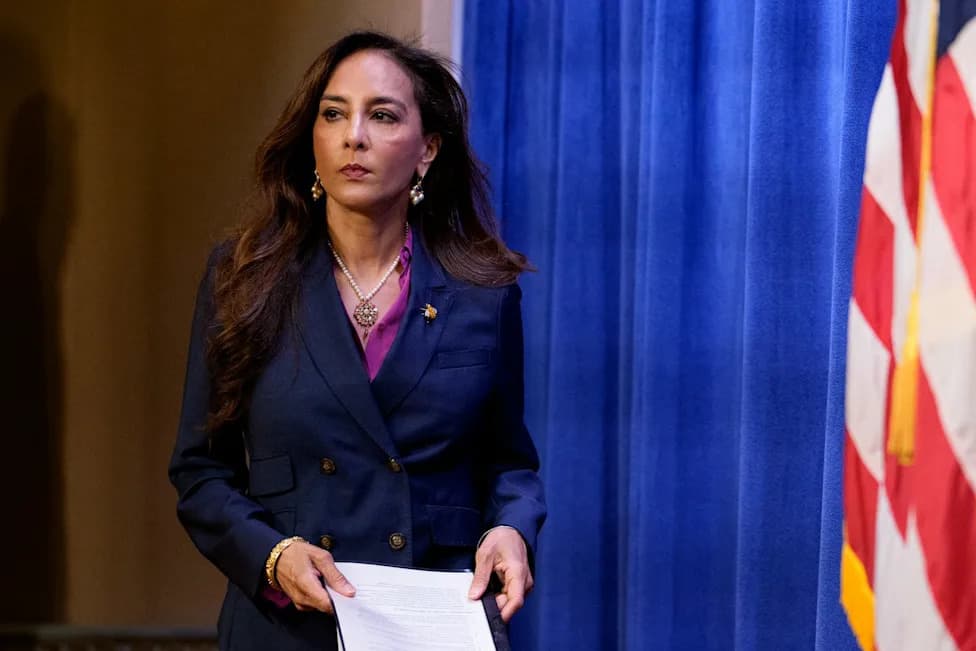
Several Republican campaigns have promoted ads and statements linking Muslims to crime, terrorism and an alleged effort to impose Sharia law. One attorney general candidate is running commercials that assert politicians have "imported millions of Muslims into our country," without providing evidence and tying that claim to warnings of "illegal cities" and Sharia. Another candidate publicly withdrew from a mosque event, citing security concerns, then warned of the "Islamization of Texas." In a separate and extreme incident, a Republican burned a Quran and issued violent threats against Muslims' families.
“The Muslim community is the boogeyman for this cycle,”
“One hundred percent this message works — there’s no question about it,”
Texas GOP consultant Vinny Minchillo told Politico, capturing why candidates are using this line of attack.
Political Context
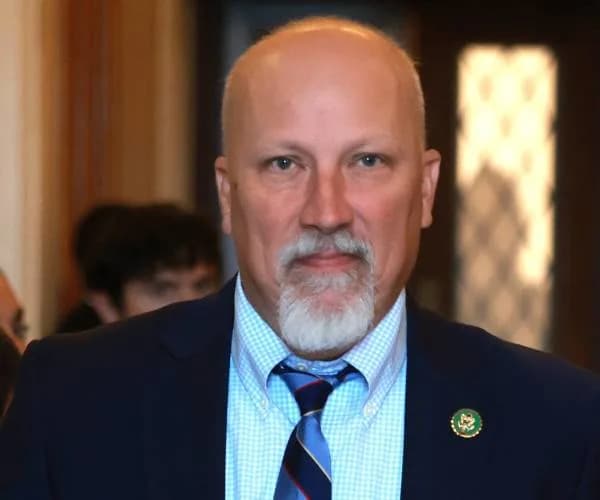
This approach echoes national messaging from prominent Republican leaders. President Donald Trump implemented a travel restriction in 2017 on several majority-Muslim countries and has repeatedly attacked Muslim public figures and the religion itself. At the congressional level, the Sharia-Free America Caucus, led by Texas Republicans Chip Roy and Keith Self, promotes the idea that Sharia is a threat to the Constitution despite a lack of supporting evidence.
In November, Texas Gov. Greg Abbott designated the Council on American-Islamic Relations (CAIR) as a terrorist organization, a move that affects the civil-rights group’s ability to operate and assist roughly 300,000 Muslims in Texas.
Real-World Consequences
Fear-based political rhetoric has tangible effects. A Rasmussen Reports poll in January found 77% of likely voters were concerned about the influence of "radical Islam," with 41% saying they were very concerned. Meanwhile, incidents such as a Quran burning, disruption of a student prayer service in Plano, and local opposition to a housing project near a mosque reflect how rhetoric translates into harassment, legal challenges, and social exclusion.
Rep. Randy Fine of Florida drew national condemnation for a social post that dehumanized Muslims; many civil-rights groups and Democrats called for censure or removal from committee assignments. The muted response from several GOP leaders, including House Speaker Mike Johnson, highlights how such rhetoric can go unchecked.
Facts and Stakes
There are no jurisdictions in Texas or elsewhere in the United States where Sharia law is imposed as civil law, and experts have not identified any credible organized effort by Muslim Americans to establish it. Still, the normalization of anti-Muslim language risks eroding the values of pluralism and equal protection under the law.
What is at stake: when politicians portray a religious community as an existential threat, they increase the risk of discrimination, social alienation and violence against that community — consequences that extend beyond campaign season.
Conclusion
Normalizing Islamophobic rhetoric in primary campaigns may win short-term attention, but it undermines democratic norms and the idea that Americans should not be judged or targeted because of their faith. Voters, civic leaders and elected officials who value pluralism face a choice: call out fear-based tactics or allow them to become routine.
Help us improve.