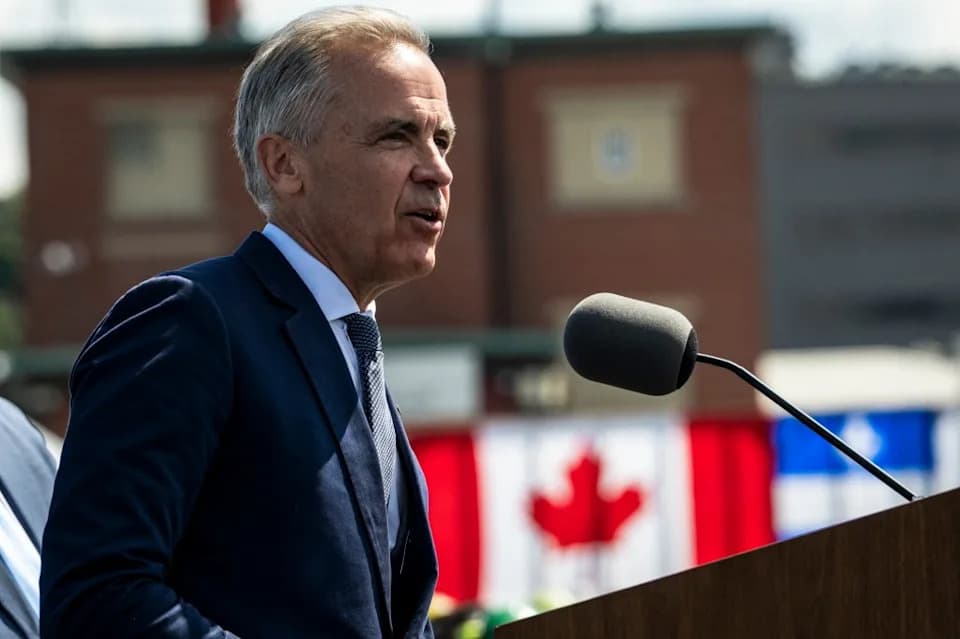
Alberta Premier Danielle Smith has called a referendum for Oct. 19 asking voters whether the province should limit incoming international students, temporary foreign workers and asylum seekers. Smith frames the vote as a bid to address rapid population growth and strained provincial services and to reclaim provincial influence over immigration policy, which is normally managed by Ottawa. The ballot could also include a question on Alberta’s place in Canada if a citizen-led separation petition qualifies. Federal officials said they noted the announcement and are taking steps to reassert control over immigration.
Alberta Announces Fall Referendum To Limit International Students, Temporary Workers And Asylum Seekers
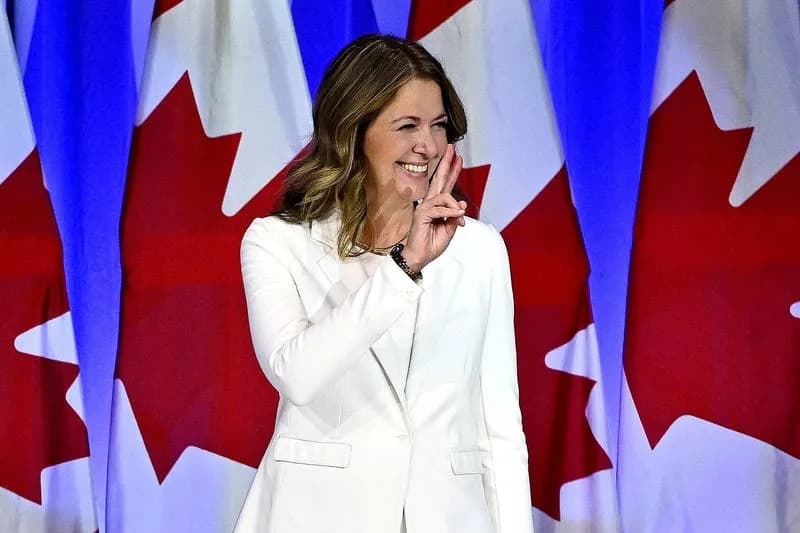
FILE PHOTO: Alberta’s Premier Danielle Smith gestures on the final day of the national convention for Canada's official opposition Conservative Party, in the wake of its April 2025 election loss, the day after party members voted 87.4 per cent in favour of keeping leader Pierre Poilievre, in Calgary, Alberta, Canada January 31, 2026. REUTERS/Jennifer Gauthier/File Photo
CALGARY — Alberta Premier Danielle Smith announced in a televised address that the province will hold a referendum this fall asking residents whether the provincial government should limit the number of incoming international students, temporary foreign workers and asylum seekers.
The referendum, scheduled for Oct. 19, is framed by Smith as an effort to reclaim more provincial influence over immigration policy — a matter that in Canada is primarily governed by the federal government in Ottawa. Smith presented the vote as a way to respond to public concerns over rapid population growth and pressure on provincial services, and as a political move aimed at easing separatist tensions within the province.
Why the Vote?
Smith said the referendum offers Albertans a direct voice on how the province should respond to what she described as mounting strain on health, education and social services. She told reporters her government expects a significant budget shortfall in next week’s provincial budget, driven in part by a decline in resource royalties amid lower global oil prices and, she said, extremely rapid population growth.
"Throwing the doors wide open to anyone and everyone across the globe has flooded our classrooms, emergency rooms and social support systems with far too many people, far too quickly," Smith said in the televised address.
Scope And Possible Outcomes
Smith indicated the referendum question will ask voters whether Alberta should pursue limits on new international students, temporary foreign workers and asylum seekers. She also said the ballot could include a separate question on whether Alberta should remain part of Canada, if a citizen-led separation initiative gathers the required signatures to force such a vote.
Among potential policy responses Smith outlined is provincial legislation to restrict eligibility for provincially funded programs — such as health care, education and other social services — to Canadian citizens, permanent residents and people holding an "Alberta-approved immigration status." Any such provincial measures would likely face legal and constitutional scrutiny, since immigration is primarily a federal responsibility.
Federal Response And Context
Gabriel Brunet, a spokesman for Dominic LeBlanc, Canada’s minister of intergovernmental affairs, said Ottawa had taken note of the address and was taking steps to reassert control over the immigration system. "Albertans will express their views on these issues and others raised by Premier Smith, as they have on several constitutional questions in the past," Brunet said.
An ATB Financial analysis cited by officials highlights a key driver of Alberta’s population surge: high interprovincial migration as Canadians relocate to the province in search of work and more affordable housing. According to Statistics Canada, Alberta’s population passed the 5 million mark in 2025, adding more than 600,000 residents over five years — growth Smith says has strained provincial services.
The coming referendum could sharpen national debate about provincial-federal roles, service capacity in fast-growing regions and political tensions in resource-rich provinces. Legal, constitutional and practical policy questions will shape how — and whether — any provincial changes could be implemented if the referendum backs Smith’s proposals.
(Reporting by Amanda Stephenson in Calgary; Editing by Nia Williams)
Help us improve.