The Justice Department and Ohio Attorney General sued OhioHealth, alleging that contractual restrictions dating back to at least 2003 prevent insurers from offering lower‑cost plans and keep patient costs high. DOJ officials say OhioHealth holds roughly a 40% share of the Columbus market and has negotiated rates about 50% higher than competitors. The case, filed in the Southern District of Ohio, follows a leadership change in the Antitrust Division and is part of broader federal scrutiny of dominant hospital systems.
DOJ Sues OhioHealth, Alleging Contracts Block Lower‑Cost Insurance Plans and Drive Up Patient Costs
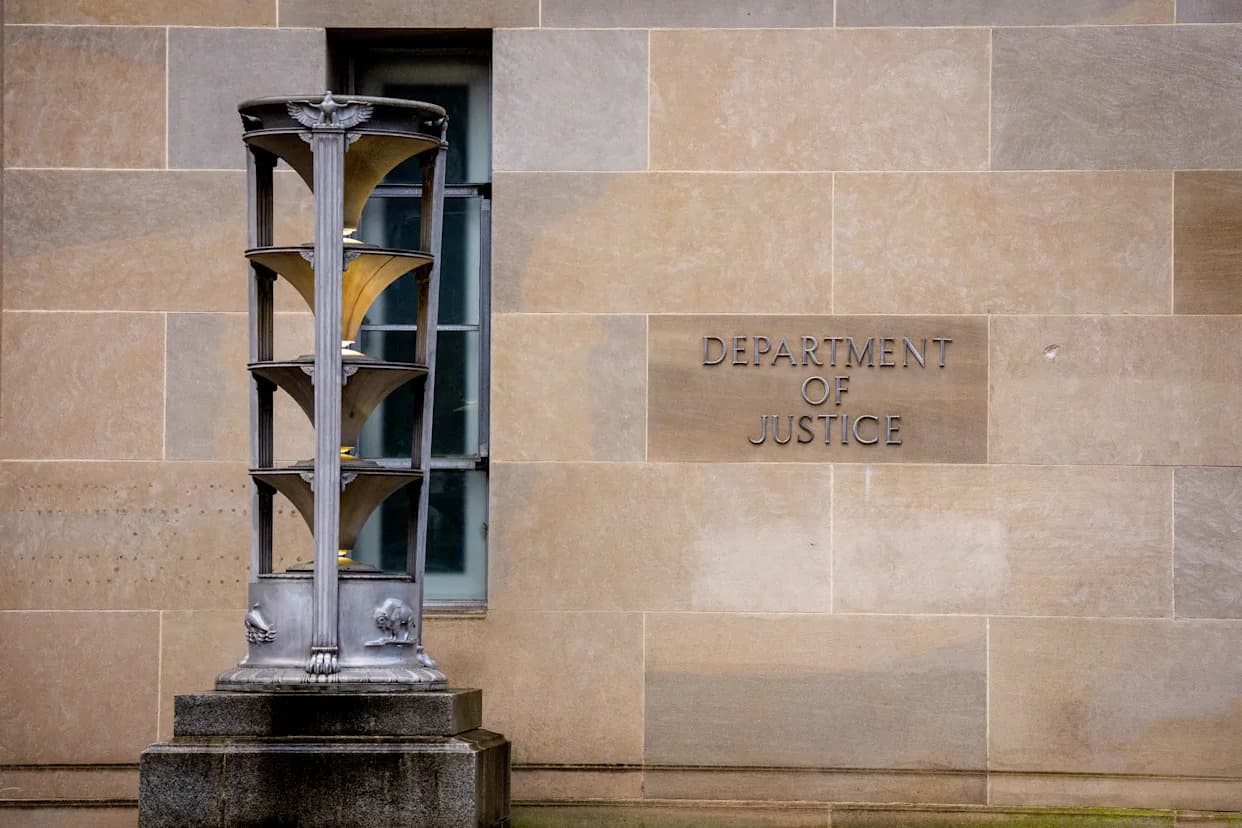
The U.S. Department of Justice, joined by the Ohio Attorney General, filed a civil antitrust complaint on Friday against OhioHealth Corporation, one of the state's largest health systems. The suit, filed in the U.S. District Court for the Southern District of Ohio, accuses OhioHealth of using contractual restrictions that prevent insurers from offering lower‑cost plan options to patients.
Allegations and Market Impact
According to the complaint, OhioHealth — which owns or manages 16 hospitals and outpatient facilities and is the dominant hospital system in the Columbus market — has restricted how commercial health insurers can steer patients or design lower‑cost networks. Justice Department officials say OhioHealth controls roughly a 40% share of the local market and has negotiated rates with insurers that are about 50% higher than competing providers. The complaint alleges these restrictions have been in place since at least 2003.
“These restrictions deprive patients of a choice among a full spectrum of competitive health insurance plans, where patients could decide for themselves whether going to OhioHealth for care is worth the high prices it charges,” the filing states. “If such plans were available, the employers and patients who choose them would benefit immediately from lower premiums and out‑of‑pocket costs.”
Enforcement Context and Leadership Changes
Officials described the case as the Antitrust Division's first civil enforcement action in about a year and said the investigation into OhioHealth has been ongoing for several years. The filing comes shortly after a leadership change in the Antitrust Division: Gail Slater was removed from her role as assistant attorney general and Omeed Assefi is now serving in an acting capacity. Assefi emphasized a renewed focus on affordability and said the division intends to pursue aggressive enforcement to deliver savings to consumers.
Response and Broader Trend
A spokesperson for OhioHealth did not immediately comment on the lawsuit. DOJ officials said the probe is one of multiple investigations into dominant hospital systems around the country. The most recent comparable matter cited in the filing involved Atrium Health (formerly Carolinas HealthCare System), which settled steering‑restriction claims in 2018.
What This Could Mean For Patients
If the court finds that OhioHealth's contractual provisions unlawfully limit insurer options, employers and patients may gain access to lower‑cost insurance plans and face lower premiums and out‑of‑pocket expenses. The case could also shape how hospital systems negotiate with insurers nationwide.
Help us improve.