President Trump has declined to invite Maryland Gov. Wes Moore and Colorado Gov. Jared Polis to a White House dinner during the National Governors Association meeting, citing a dispute over a convicted election clerk and a past Bronze Star controversy. Critics say the exclusions reflect a broader pattern of rhetoric and policy viewed as hostile to racial minorities and LGBTQ people. Both governors pledged to keep working with their peers, and Democrats warned of a possible boycott if invitations were not extended.
White House Snubs Governors Wes Moore And Jared Polis — Critics Say It Signals A Dangerous Precedent
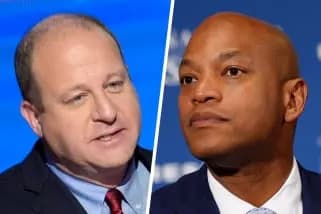
Trump’s exclusion of Moore and Polis from governors event is a new low — even for him
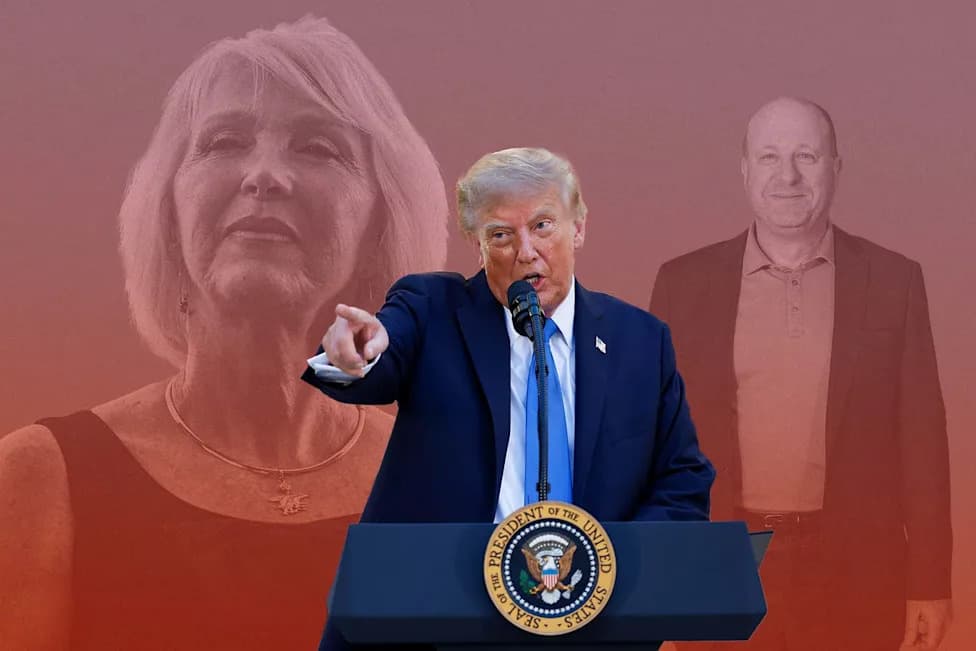
Governors from across the country convened in Washington for the National Governors Association meeting, but President Donald Trump announced that Maryland Governor Wes Moore and Colorado Governor Jared Polis would not be invited to a Saturday dinner at the White House. Moore, the nation’s only Black governor, and Polis, who is openly gay, were singled out from an event that has traditionally welcomed every governor.
Official Reasons And Responses
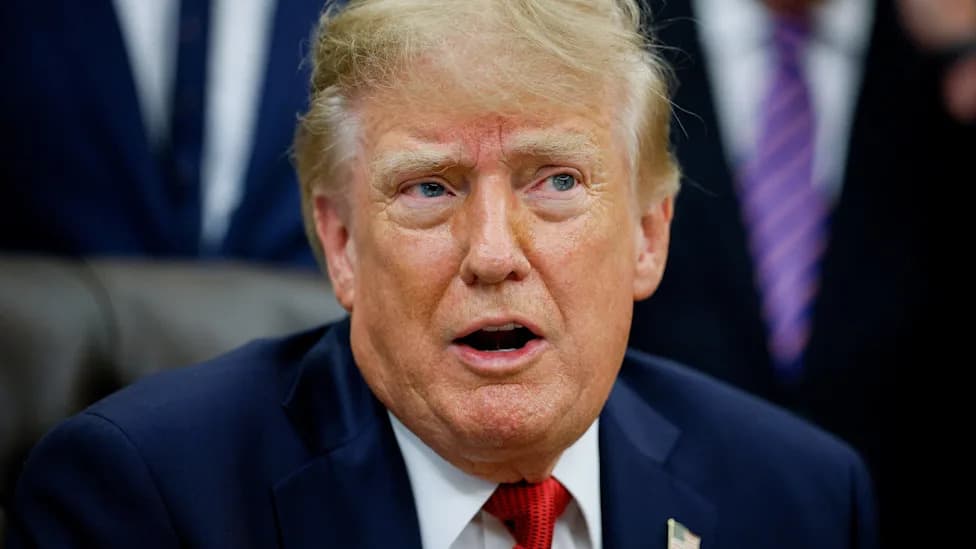
The White House offered distinct explanations for the omissions. Officials blamed Polis for refusing to intervene on behalf of Tina Peters, a former Mesa County election clerk convicted on charges related to illegally copying election records and other election-related offenses. Trump characterized Moore as "foul-mouthed" and cited a past dispute over language on a 2006 White House Fellows application regarding a Bronze Star.
Moore had previously apologized for the application wording, and military records and statements from his former commanding officer later indicated the award was appropriate; the Bronze Star was formally pinned in 2024. Polis emphasized cooperation in his response: "It’s disappointing that states and the federal government working together to improve our lives has been resisted by this federal administration," he said. Moore told CBS News’ Norah O’Donnell, "I have been very clear with the people of my state that I will work with anyone, but I will bow down to no one."
Broader Context And Concerns
Critics say the official explanations are thin and point to a wider pattern of rhetoric and policy from the administration that they view as hostile to racial minorities and LGBTQ communities. The article notes recent incidents and policies that have heightened those concerns, including a widely criticized social post depicting former President Barack and Michelle Obama in a demeaning way, executive actions critics say reduce workplace protections for minorities, and controversial rhetoric about diversity, equity and inclusion.
Advocates for LGBTQ rights have also highlighted a pattern of hostile rhetoric and policy moves. GLAAD, a leading U.S. LGBTQ civil-rights organization, has catalogued roughly 470 entries of policies, statements and appointments they consider anti-LGBTQ just over a year into the administration’s current term.
Political And Practical Fallout
Beyond the headline-grabbing exclusions, there are reported policy disputes that feed political tensions. Critics point to federal decisions that affected Maryland jobs and a reported relocation of some Space Force functions from Colorado to Alabama; Colorado has challenged that move in court. Democrats threatened to boycott the White House gathering if Polis and Moore were not invited, framing the issue as more than a personal slight — they see it as a precedent that could intimidate state leaders.
Why This Matters: If federal access and routine intergovernmental cooperation can be conditioned on identity or political retribution, critics warn, it would erode norms that enable governors and the White House to collaborate on trade, public safety, disaster response and more.
The National Governors Association meeting is normally a working forum where governors from both parties discuss policy areas such as trade, the environment and national security. While tensions between presidents and governors are not new, many observers say these exclusions change the tone and raise questions about fairness and precedent.
What’s Next
The immediate stakes include whether invitations will be extended and how unified governors and Democrats will remain in response. Longer-term, the episode is likely to deepen partisan debate about how federal power is used in dealings with state leaders and whether informal punishments will become an accepted tool of political leverage.
Help us improve.