A Norwegian researcher built a pulsed microwave device to test whether directed-energy exposure could produce the symptoms associated with Havana Syndrome and then exposed himself. He later developed neurological symptoms similar to those reported in past incidents. While U.S. panels have found foreign attack unlikely and MRI studies have shown no consistent structural brain changes, this case shows pulsed-energy can affect humans and underscores the need for transparent, peer-reviewed research.
Norwegian Scientist Built a Microwave Device to Test ‘Havana Syndrome’ — Then Fell Ill
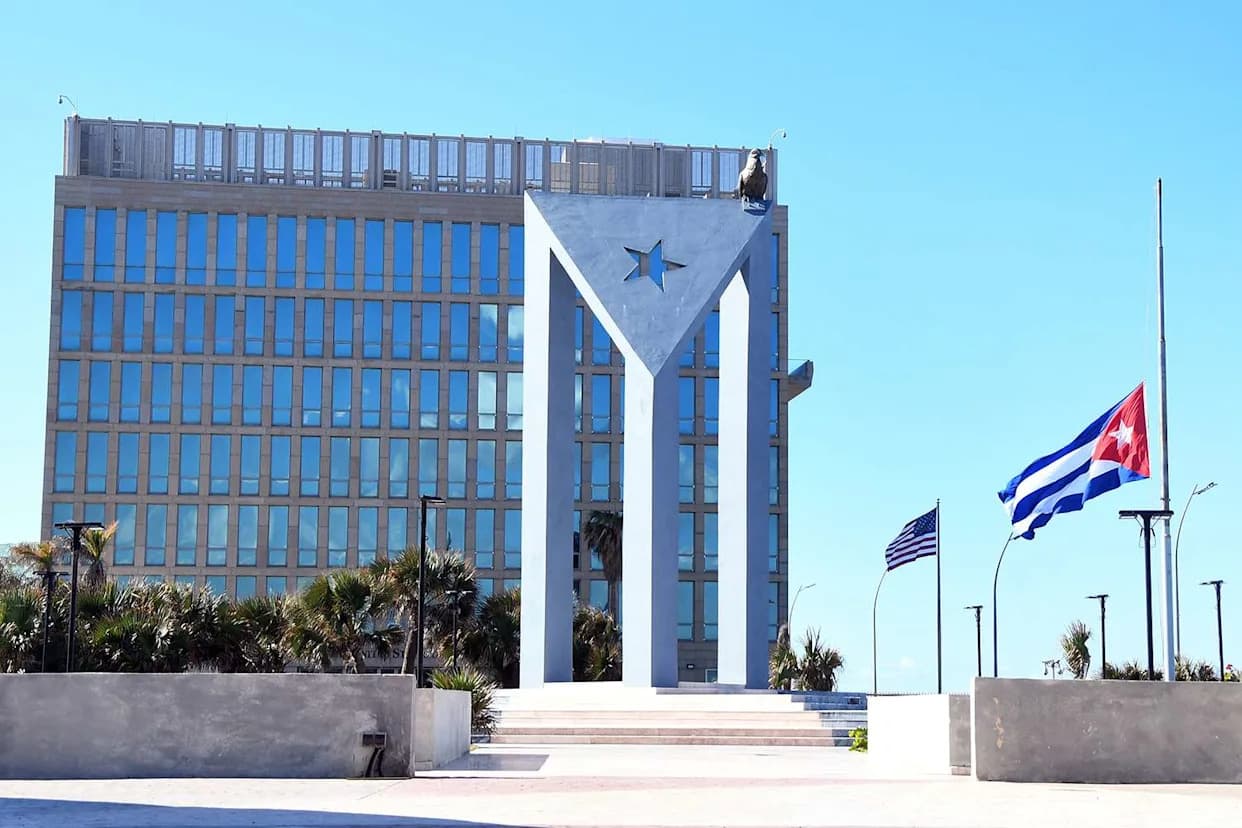
US Embassy in Havana, Cuba.Joaquin Hernandez/Xinhua via Getty
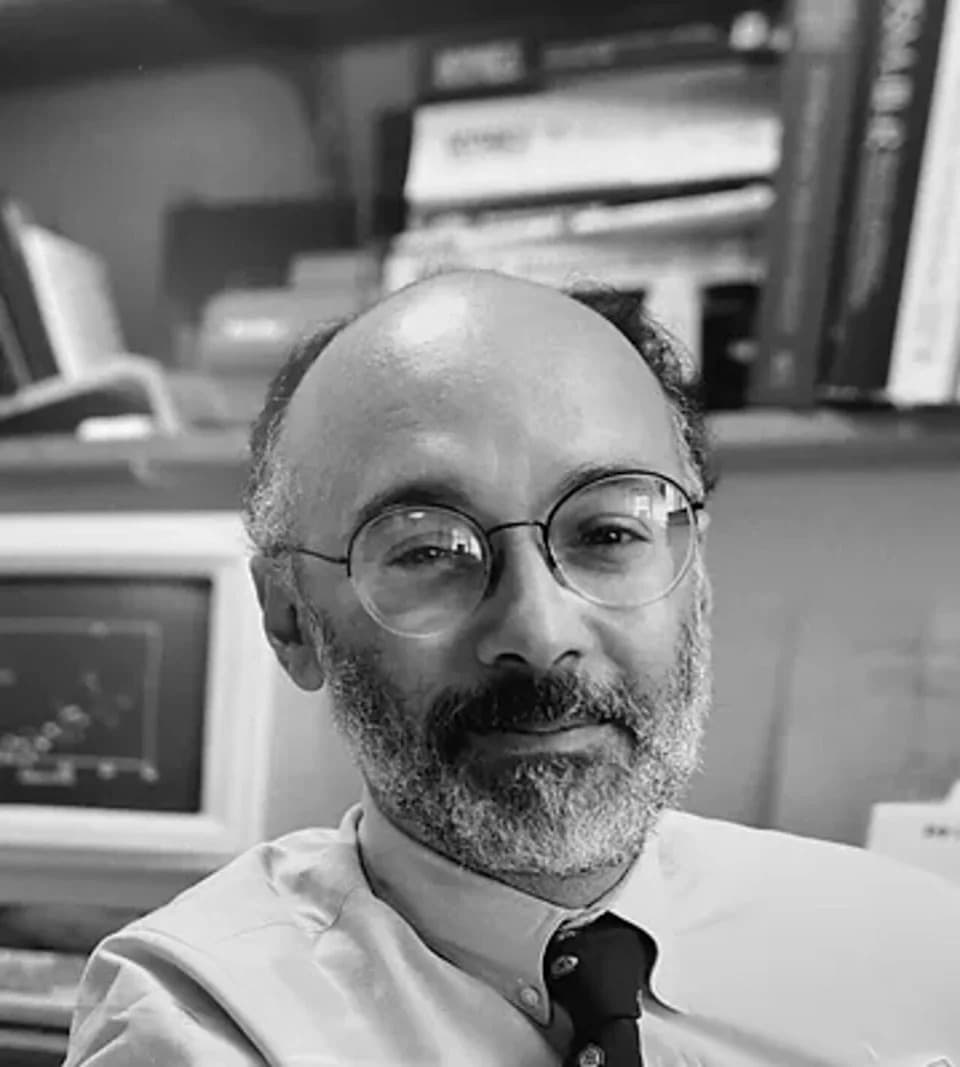
A Norwegian researcher who set out to test whether pulsed microwave energy could cause the symptoms associated with "Havana Syndrome" built a microwave-emitting device and tested it on himself, The Washington Post reports. Shortly after the experiment he developed neurological symptoms similar to those reported in Havana and other alleged incidents.
Background
Havana Syndrome refers to a cluster of unexplained neurological complaints first reported by U.S. embassy staff in Havana, Cuba, in 2016. Affected people have described headaches, dizziness, ear noise or pressure, difficulties with concentration and short-term memory, and other persistent neurologic problems. Similar reports later emerged in other cities, including Vienna in 2021, prompting concern that a directed-energy device might be responsible.
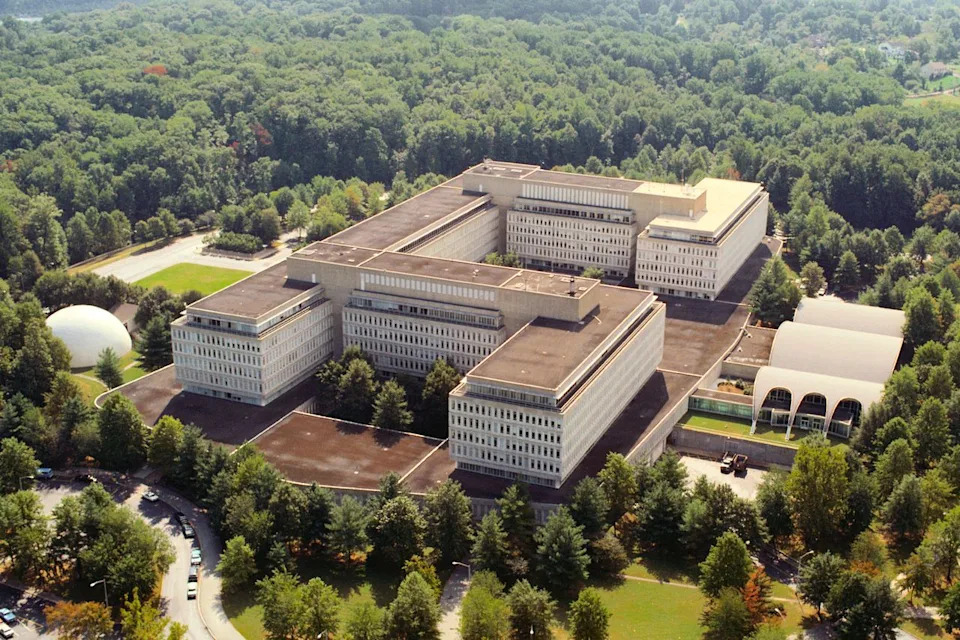
The CIA headquarters in Virginia.Glowimages/Getty
Investigations and Conflicting Findings
Investigations by U.S. agencies and outside researchers have produced mixed conclusions. In 2023, the U.S. intelligence community described the cluster of complaints as a socially constructed category encompassing varied health problems and stress reactions, as summarized in literature cited by the National Library of Medicine. The National Institutes of Health examined some cases and found no consistent structural changes on MRI scans, despite persistent symptom reports from patients.
The Norwegian Experiment
According to reporting, the unnamed scientist assembled a pulsed microwave apparatus reportedly modeled on technical plans that may have been stolen or classified. He activated the device on himself and soon developed neurological symptoms mirroring those associated with Havana Syndrome. Many details of the experiment remain classified or underreported, and the scientist’s identity has not been publicly disclosed.
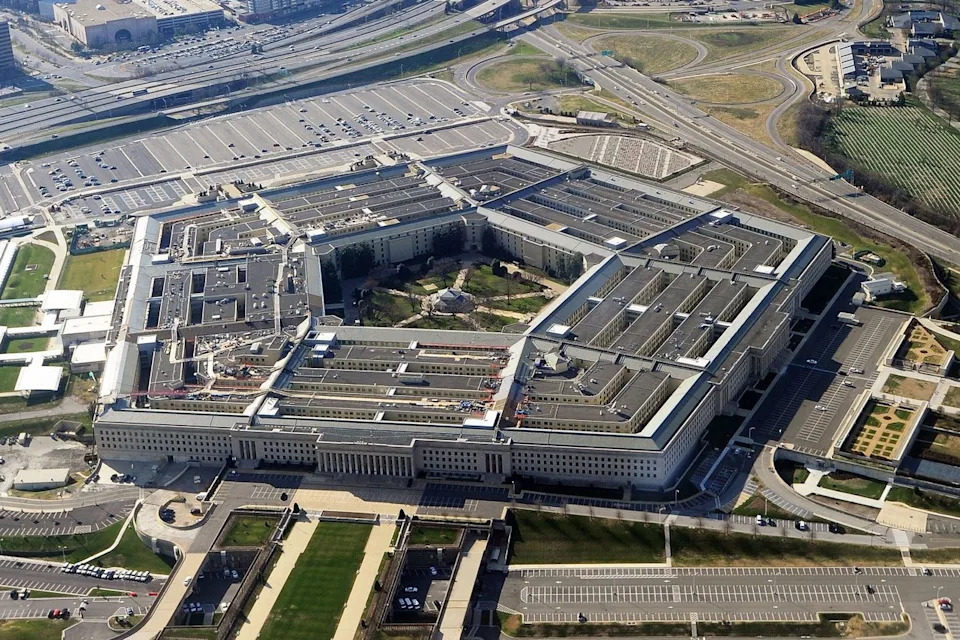
Overview of the U.S. Pentagon building in Washington, D.C. STAFF/AFP via Getty
What This Means
The episode does not conclusively prove that foreign adversaries used a secret weapon against diplomats or intelligence officers. However, it demonstrates that devices emitting pulsed energy can affect humans and produce symptoms like those reported in Anomalous Health Incidents (AHIs). Experts caution that a single experiment, especially one that is not fully documented or peer reviewed, cannot settle the larger scientific and policy debate.
“I don’t know what possessed him to go and do this,” a person familiar with the experiment told The Washington Post, adding that the scientist was "a bit of an eccentric."
Official and Victim Reactions
U.S. officials have generally regarded foreign attack as unlikely. A 2022 panel convened by Secretary of State Antony Blinken found no evidence that a foreign actor was responsible, and U.S. officials repeated in 2023 that a foreign actor was "very unlikely." Those who say they were harmed reject that conclusion. Former CIA officer Marc Polymeropoulos criticized the dismissive tone of some official statements and stressed ongoing frustration among victims.
Takeaway
The Norwegian case renews attention to whether pulsed-energy exposures can cause persistent neurological symptoms and underscores the need for transparent, peer-reviewed research and careful incident investigation. It also highlights the difficulty of drawing definitive conclusions from isolated or poorly documented experiments and the human cost for those who report lingering symptoms.
Help us improve.