
Tricia McLaughlin, DHS assistant secretary for public affairs, resigned after less than a year amid criticism that she repeatedly issued misleading or contradicted statements about violent encounters involving immigration officers. Several high-profile claims — including cases in Minneapolis and Chicago — were later undermined by video evidence or led to dropped charges. Observers and a federal judge faulted DHS for not correcting the record, and advocates call for a spokesperson who prioritizes accuracy and transparency.
DHS Spokesperson Tricia McLaughlin Resigns After Criticism Over Misleading Public Statements
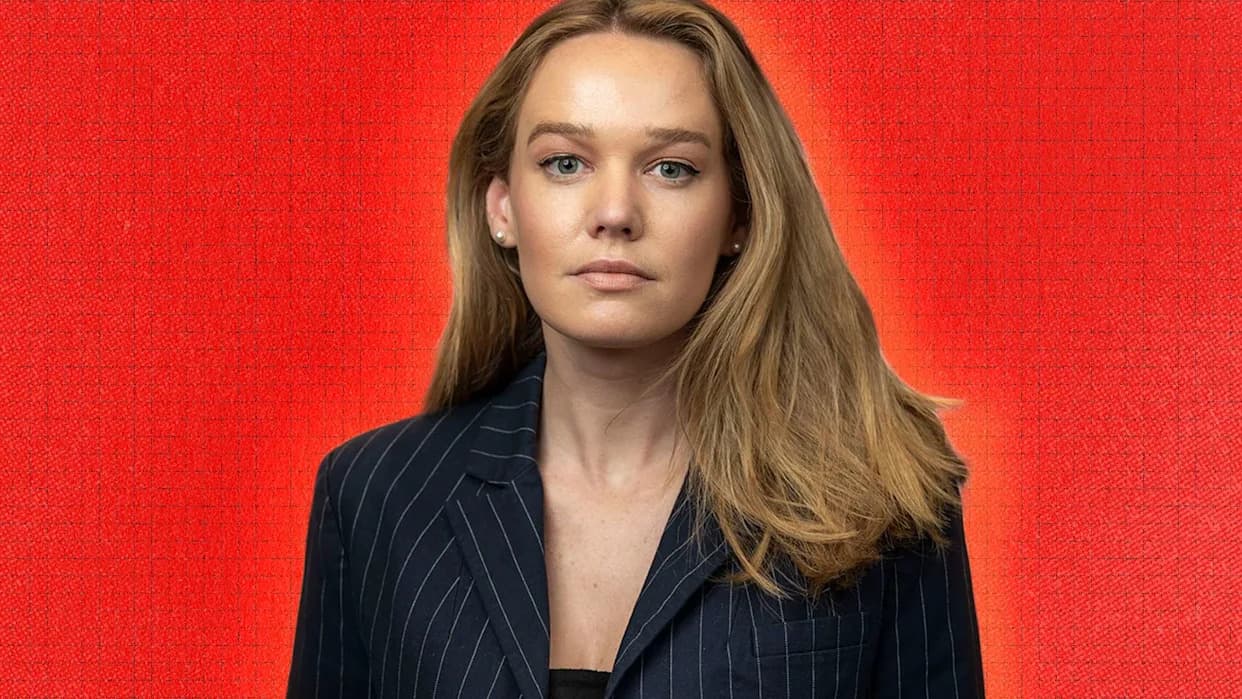
DHS Spokesperson Tricia McLaughlin Goes Out at the Top of Her Game
Politico reported Tuesday that Tricia McLaughlin, the Department of Homeland Security's assistant secretary for public affairs, is leaving the agency after less than a year on the job. Her departure follows reports of internal tensions at DHS and growing bipartisan criticism over the agency's handling of public messaging about several violent encounters involving federal immigration officers.
Why Her Remarks Sparked Controversy
McLaughlin frequently served as the department's combative public voice. Many of her on-the-record statements drew sharp attention because they included strong allegations that were later contradicted by video evidence, undermined in court filings, or resulted in prosecutors dropping charges.
National outlets, including The Washington Post and Reason, noted that McLaughlin's forceful language — and the department's reluctance to correct the record — intensified scrutiny. Critics say mainstream newsrooms faced dilemmas over whether to label official statements plainly as false, given norms around access and objectivity.
Notable Cases Cited
- Minneapolis Cases: McLaughlin described one Venezuelan suspect as having "mercilessly beat" a federal immigration officer; prosecutors later dropped charges, citing "newly discovered evidence" materially inconsistent with officers' allegations. She also characterized the fatal shootings of Renee Good and Alex Pretti in Minneapolis in language that critics say went beyond available evidence at the time.
- Marimar Martinez (Chicago): After a Border Patrol officer shot Martinez five times last October, DHS issued statements quoting McLaughlin that Martinez had "rammed" an agent's vehicle and tried to run over an officer. Subsequent court filings showed prosecutors moved to dismiss charges after reviewing video; body-camera footage later unsealed at Martinez's request appeared to show the officer intentionally swerving into her car.
- Chicago TV Producer Incident: DHS public affairs attributed a statement to McLaughlin saying a TV news producer "threw objects at Border Patrol's car" and was arrested for assault on a federal officer. Bystander video contradicted DHS's timeline, the producer was not charged, and DHS did not publicly correct its earlier description.
Concerns About Refusing To Retract
Even after charges were dropped or videos raised serious questions about initial accounts, DHS in several instances did not publicly retract or correct prior statements. That persistence prompted a federal judge to note the unusual public posture of the government, saying at a hearing that the government had made highly public statements about a criminal defendant while taking no visible steps to publicize that it had abandoned efforts to secure a conviction.
"The government made exceedingly public statements about a criminal defendant, who under our system is presumed innocent, and have made no efforts to equally publicize that they abandoned the opportunity to try to convict her," the judge said.
Advocates, journalists, and legal observers say the pattern raises serious questions about government accountability and the responsibilities of public affairs officials to ensure accuracy before issuing forceful public claims.
Looking Ahead
McLaughlin's exit leaves DHS searching for a communications leader who can balance forceful defense of agency actions with rigorous fact-checking and transparency. Many critics say the next spokesperson should prioritize accuracy and corrections when new evidence undermines earlier statements.
Sources: Reporting by Politico; contemporaneous coverage in The Washington Post and Reason; public court filings and unsealed body-camera footage referenced in reporting.
Help us improve.





















