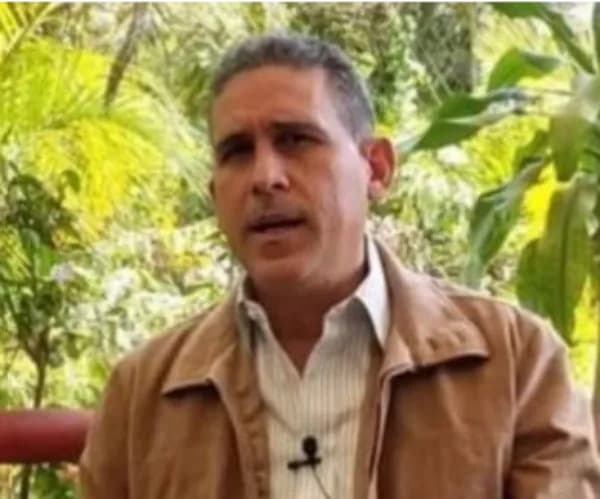
Evo Morales reappeared in the Chapare region after an almost seven-week absence, arriving in Chimoré to endorse municipal and regional candidates and to deny he had fled Bolivia. He said chikungunya and related complications had kept him out of public view and appeared frailer than before. Morales vowed to stay in the country despite an outstanding arrest warrant tied to human trafficking allegations and the conservative government’s moves to restore ties with the U.S. and invite back the DEA. President Rodrigo Paz plans to meet U.S. President Donald Trump in Miami on March 7, and Morales accused U.S. policy of trying to weaken left-wing parties across Latin America.
Evo Morales Reappears in Chapare After Nearly Seven Weeks, Denies Fleeing Amid Health and Legal Turmoil
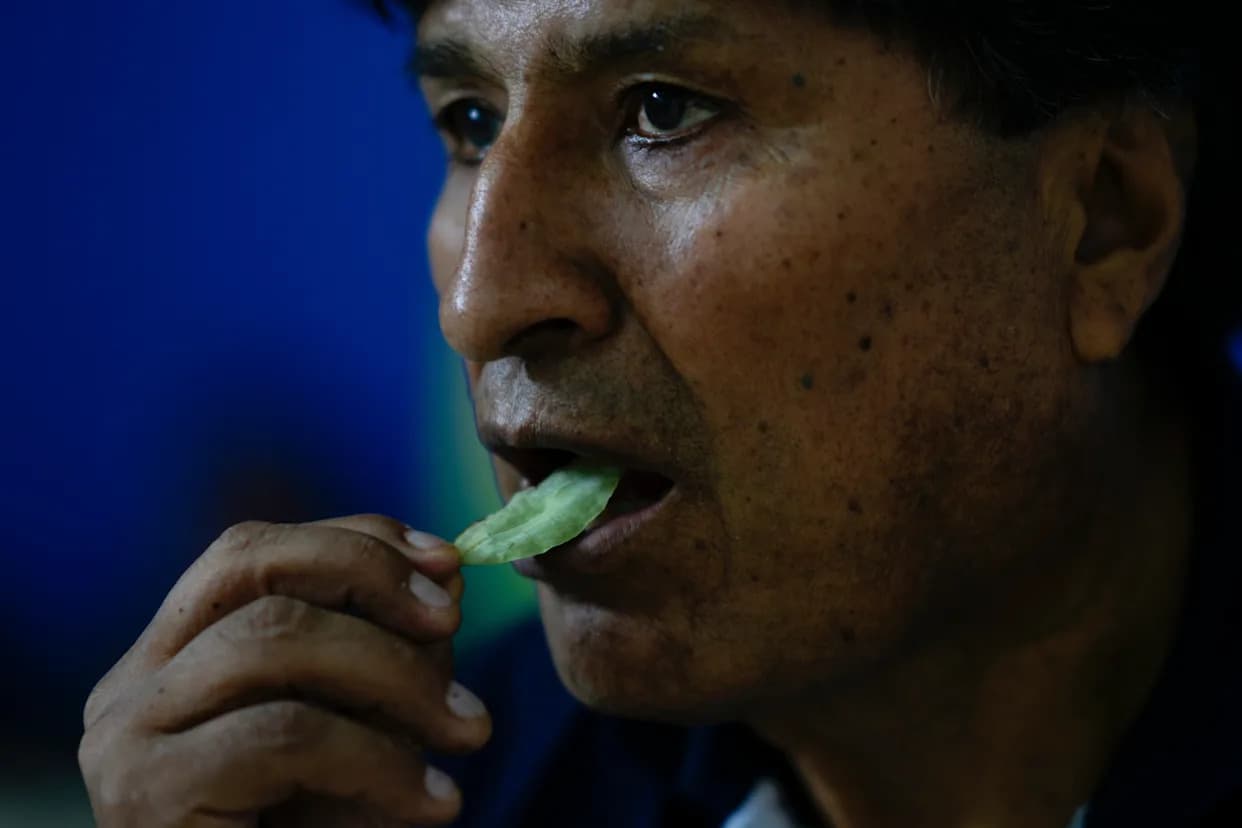
FILE - Bolivia's former President Evo Morales chews coca in Lauca N, Chapare region, Bolivia, Nov. 3, 2024, amid an ongoing political conflict with the government of President Luis Arce. (AP Photo/Juan Karita, File)(ASSOCIATED PRESS)
LA PAZ, Bolivia (AP) — Evo Morales, Bolivia’s long-serving former president, resurfaced Thursday in his Chapare stronghold after an almost seven-week unexplained absence, appearing in Chimoré to endorse candidates for upcoming municipal and regional elections and to push back against rumors that he had fled the country.
Return To Chimoré
Video released by Radio Kawsachun Coca, the media outlet of Morales’ coca-growers’ union, showed the 66-year-old leader arriving by tractor at a stadium in the central town of Chimoré, smiling behind dark sunglasses as he greeted supporters. Morales said he had been sidelined by chikungunya, a mosquito-borne disease that causes high fever and intense joint pain, and that complications of the illness had surprised him.
"Take care of yourselves against chikungunya — it is serious,"
Appearing frailer than in earlier years, Morales rejected social-media rumors and claims by local politicians that he planned to leave Bolivia. He reiterated his commitment to remain in the country despite the risk of arrest under the conservative administration of President Rodrigo Paz, whose election last October ended nearly two decades of rule by Morales’ Movement Toward Socialism (MAS) party.
Legal and Geopolitical Context
Morales has spent much of the past year in the remote Chapare region as he faces an arrest warrant tied to human trafficking allegations. Tensions in the coca-growing region — Morales’ political base — have been heightened by President Paz’s moves to restore diplomatic ties with the United States and efforts to reinstate the U.S. Drug Enforcement Administration (DEA) roughly 17 years after Morales expelled U.S. anti-narcotics agents.
Paz confirmed plans to meet U.S. President Donald Trump in Miami on March 7 for a summit of politically aligned Latin American leaders, part of a U.S. push to counter Chinese influence and reassert American influence in the hemisphere. Before naming the candidates he will endorse in next month’s local and regional votes, Morales launched into a forceful critique of U.S. policy toward Latin America.
"This is geopolitical propaganda on an international scale,"
he said, accusing Washington of attempting to diminish left-wing parties across the region. Morales also alluded to recent, unverified reports about actions involving his ally, Venezuela’s former president Nicolás Maduro, as part of the broader climate of fear and speculation.
Morales’ return — and his pledge to remain in Bolivia despite his legal exposure — is likely to further intensify political debate ahead of the elections and keep the Chapare region at the center of national attention.
Help us improve.