Airbus has offered to back a two-fighter solution within the FCAS programme if governments request it, as a governance dispute with Dassault stalls the next-generation fighter element. Other parts of FCAS—including drone swarms and a cloud communications system—are reportedly progressing. The programme faces an estimated development bill of around €100 billion and a political decision is expected at the end of February.
Airbus Says It Will Back Two-Fighter Option for FCAS as Governance Row Stalls Project
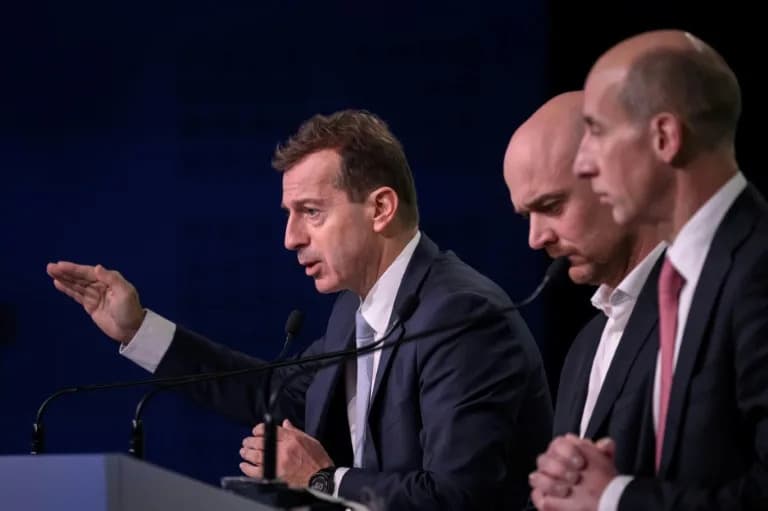
Airbus chief Guillaume Faury, left, and other executives at a press conference Thursday in Toulouse, southwest France (Ed JONES)(Ed JONES/AFP/AFP)
Airbus, the industrial lead for Germany and Spain in the multibillion-euro Future Combat Air System (FCAS) programme, said it would support building two separate next-generation fighters if the participating governments requested that approach, chief executive Guillaume Faury told reporters on Thursday.
"If mandated by our customers, we would support a two-factor solution and are committed to playing a leading role," Faury said, adding that the impasse over a single lead partner must not jeopardise the wider programme. "The deadlock of a single pillar should not jeopardise the entire future of this high-tech European capability which will bolster our collective defence," he warned.
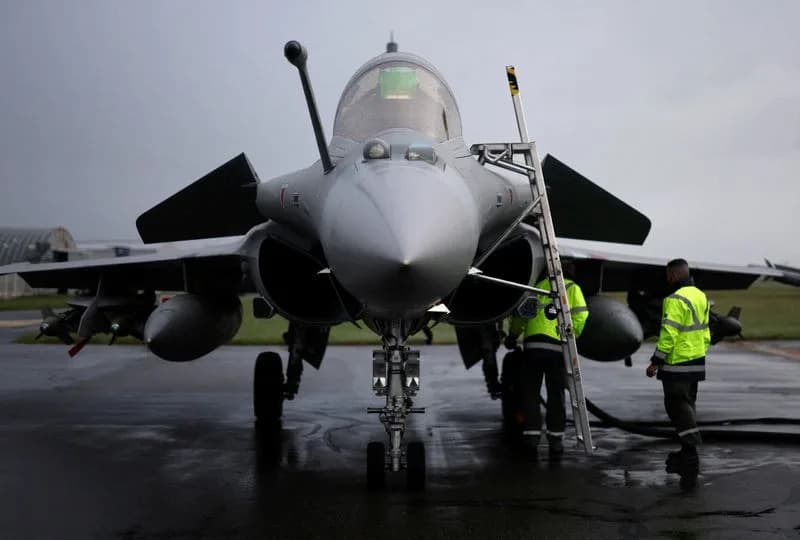
Launched in 2017, FCAS aims to replace France's Rafale fighters and the Eurofighter jets used by Germany and Spain. But the programme has been stalled for months by a governance dispute between Dassault Aviation and Airbus over who should lead the next-generation manned fighter component.
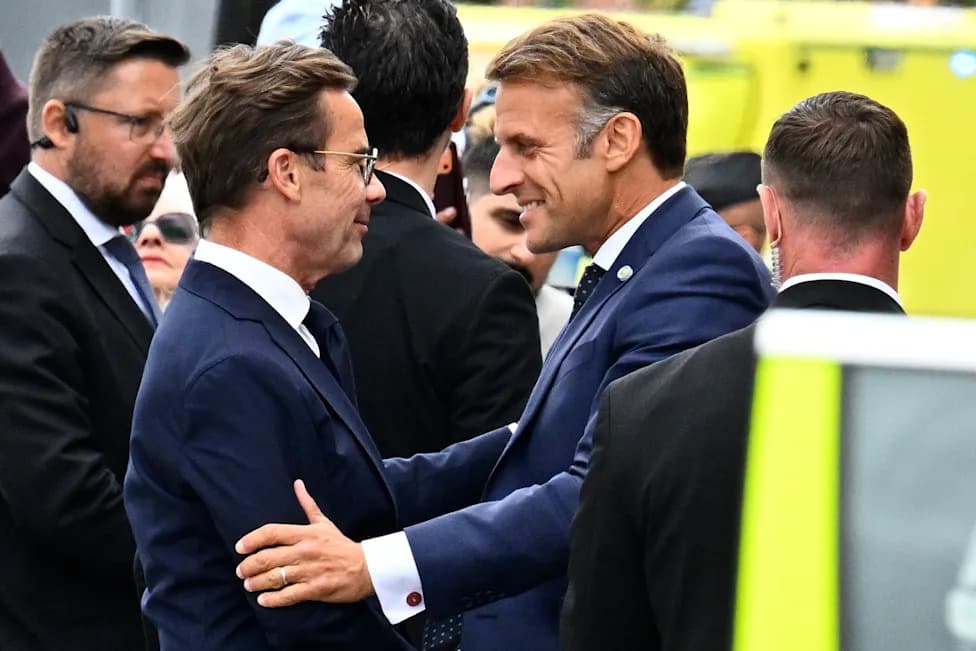
German Chancellor Friedrich Merz has suggested Berlin may walk away, saying Germany does not need the same type of fighter as France, while Paris — and President Emmanuel Macron — remain publicly committed to the project. Spain has also reiterated its commitment, citing the 2019 framework agreement among the three partner countries.
Faury stressed that other FCAS elements are progressing: an integrated drone swarm concept and a secure digital cloud communications backbone are advancing despite the fighter-level deadlock. He also said a two-fighter approach could open the door to additional industrial partners, though he emphasised that partner choices are ultimately for the participating governments to decide.
A German industrial source has floated the idea of partnering with Sweden's Saab, a company Airbus says it has a good working relationship with. Analysts estimate development of the new fighter and its enabling technologies could cost roughly €100 billion (about $118 billion), raising questions about whether budgets can support more than one airframe design.
Industry tensions have included complaints that Dassault has pushed to renegotiate terms and claim greater control of the aircraft segment. In past comments, Dassault's CEO said the company could, if necessary, develop a future European fighter independently.
A political decision on FCAS's future — originally expected in December — is now anticipated at the end of February. Observers say the outcome will be a test of Europe's ability to coordinate high-tech defence work amid geopolitical pressure from Russia and uncertainty over allied security guarantees.
Bottom line: Airbus is offering a pragmatic industrial fallback: build two fighters if governments ask, while pressing to preserve the broader interoperable systems that make FCAS more than just a single aircraft programme.
Help us improve.