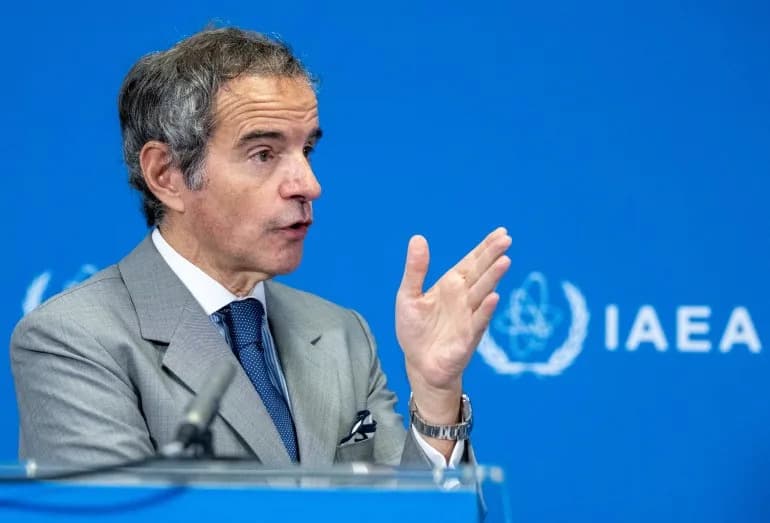
IAEA Director Rafael Grossi warned urgent diplomacy is needed to prevent U.S.-Iran hostilities, saying much of Iran's enriched material from before June last year remains in place despite U.S. strikes. He described Geneva talks as progress but said time is short and cautioned that new strikes could widen the conflict, especially as Russia joins Iranian exercises. U.S. officials expect Iran to return with detailed proposals soon, while Washington has not ruled out further military action.
U.N. Nuclear Chief: Time Is Running Out — Iran Still Holds Large Stockpiles, Risk Of Wider War Grows
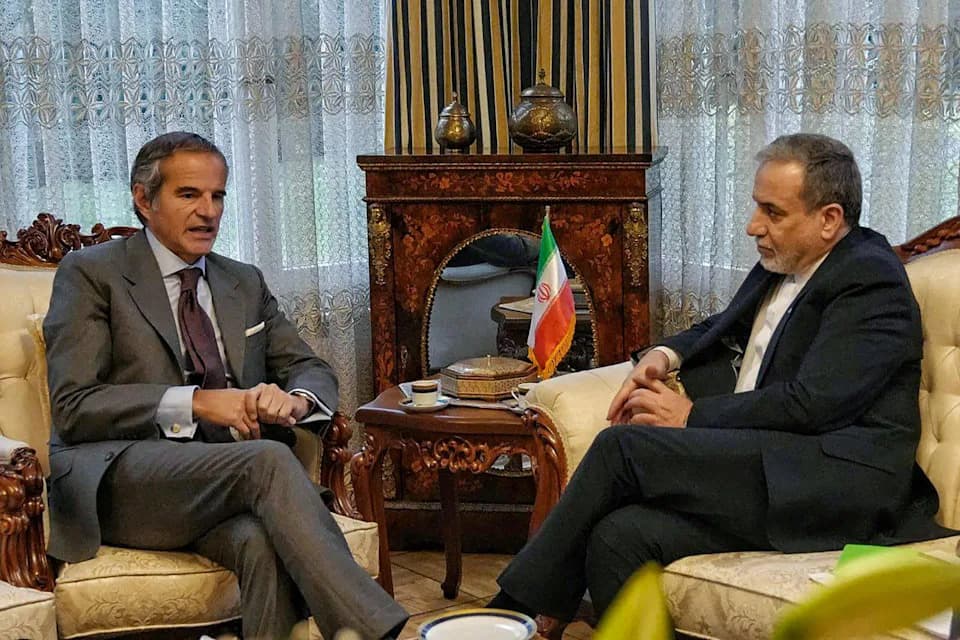
Iran's Foreign Minister Abbas Araghchi (right) meeting with International Atomic Energy Agency chief Rafael Grossi in Geneva, Switzerland, Feb. 16, 2026. / Credit: Iranian Ministry of Foreign Affairs/AFP/Getty
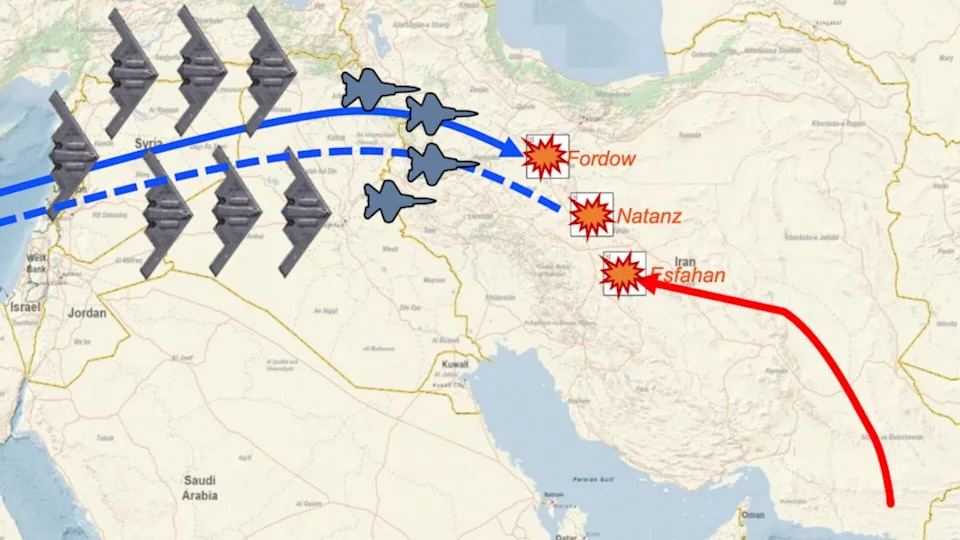
Rafael Grossi, director general of the International Atomic Energy Agency (IAEA), warned there is an urgent need for a diplomatic settlement to avert a potential war between the United States and Iran. Speaking after meetings in Geneva, Grossi said much of the enriched nuclear material Iran had accumulated up to June of last year remains largely intact despite U.S. strikes on three major facilities, and he stressed that new strikes risk escalating the conflict regionally.
IAEA Assessment and Diplomacy
Grossi described the recent Geneva talks—where he also met with Iranian officials—as "two steps forward," but cautioned that "further efforts are still needed." He told French broadcaster TF1: "The problem is, we don't have much time." According to Grossi, "most of the material that Iran had accumulated up until June of last year... is still there, in large quantities," and while some stockpiles may be less accessible, the material remains a non‑proliferation concern.
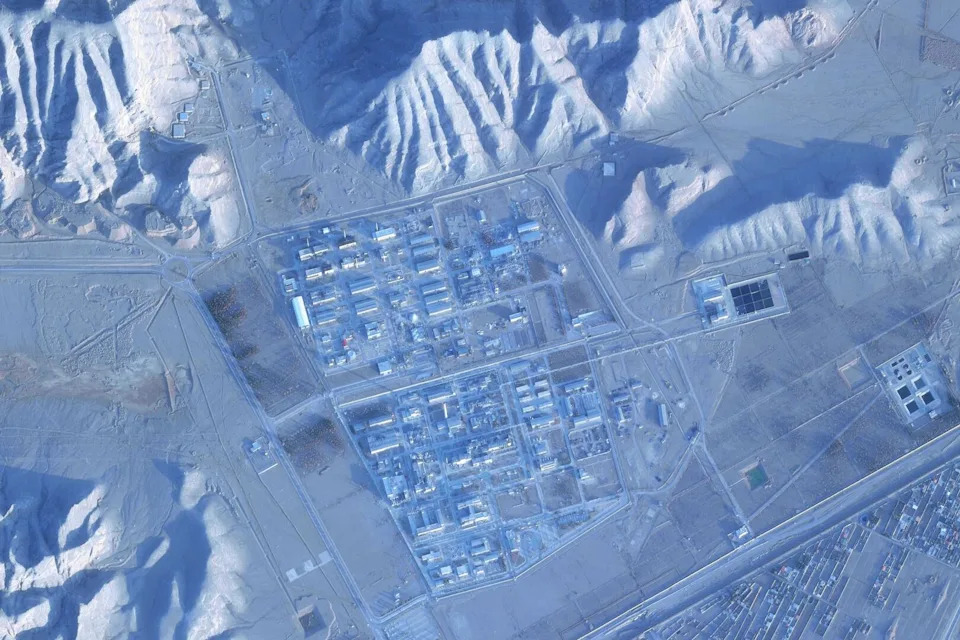
A satellite image from Planet Labs PBC shows Iran's Esfahan Nuclear Technology Center outside of Isfahan, Iran, Jan. 28, 2026. / Credit: Planet Labs PBC/AP(Planet Labs PBC / AP)
Military Tensions And Regional Risk
While diplomacy continues, the United States has reinforced its military presence in the region. President Donald Trump has said he will not allow Iran to develop a nuclear-weapons capability and has not ruled out further strikes. Sources told CBS News the administration was considering military options on a short timeline. Grossi warned that any new strikes could produce a "real risk of spillover and expansion to other countries," especially as Russian warships and aircraft joined Iranian exercises in the Strait of Hormuz and the Gulf of Oman.
Conflicting Assessments Of Last Year's Strikes
The U.S. operation last June, publicly linked to the name "Operation Midnight Hammer," was described by President Trump and Defense Secretary Pete Hegseth as having "obliterated" Iran's nuclear program. Those claims were questioned: an initial classified U.S. assessment reportedly found the strikes set Tehran's program back by months, while Mr. Trump said the setback equaled "basically decades." Grossi, however, said the IAEA has not seen evidence that Iran is currently working to develop a nuclear-weapons capability and noted he sees "a willingness on both sides to reach an agreement."
"Everything must be done to avoid that situation," Grossi told TF1, referring to the danger of regional escalation.
What Comes Next
Diplomats in Geneva reported progress but acknowledged outstanding details. U.S. officials told CBS News they expect Iran to return within weeks with detailed proposals to address remaining gaps. In the meantime, Poland's prime minister urged Polish citizens in Iran to leave immediately amid concerns that evacuations could soon become difficult if hostilities escalate.
Help us improve.