
The U.S. will increase rotations of advanced missile and unmanned systems in northern Luzon and nearby islands, enhancing long-range strike reach that can cover parts of southern China and key PLA sites. The deployments build on earlier Typhon and anti-ship system placements and are described by Manila as a deterrent. Beijing denounces the moves as destabilizing, underscoring rising strategic competition across the South China Sea and the first island chain.
US Expands Long-Range Missile Rotations In Northern Philippines, Bringing Chinese Targets Into Range
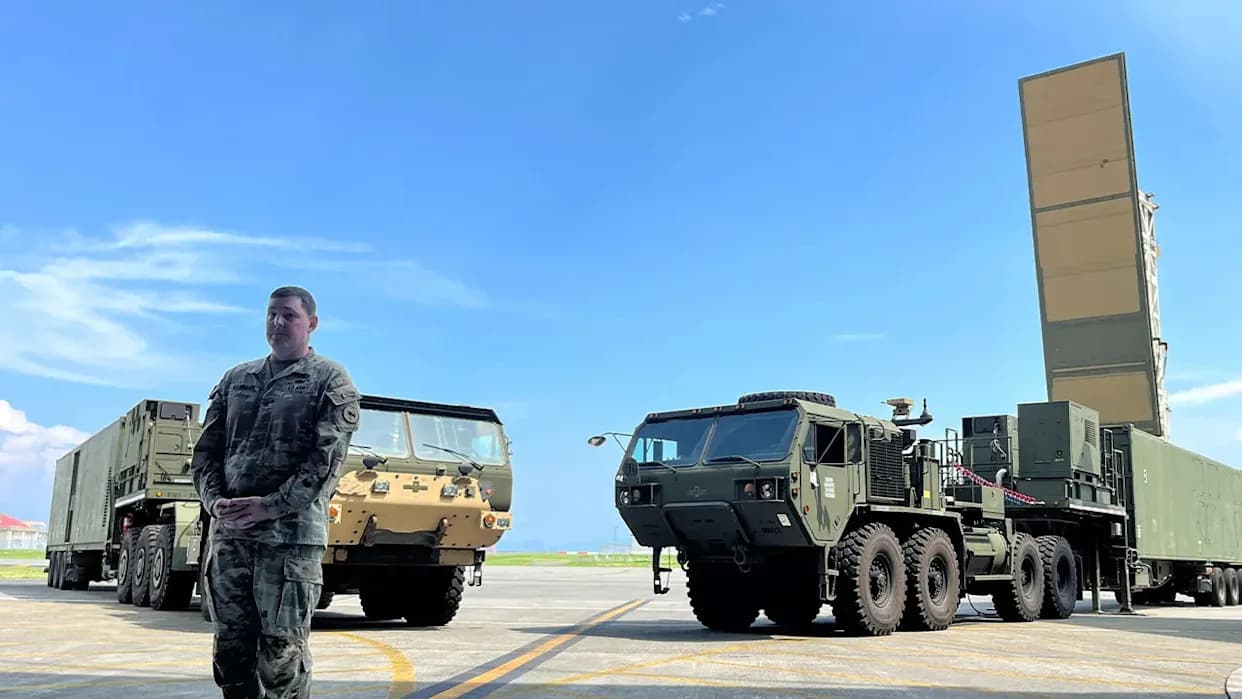
US moves to expand missiles in Philippines, putting China within range
The United States is preparing to expand rotations of advanced missile and unmanned systems in northern Luzon and nearby Philippine islands, increasing long-range strike capability that can reach parts of southern China and key People’s Liberation Army facilities. Manila says the deployments are intended to strengthen deterrence, while Beijing condemns the moves as destabilizing and an attempt to contain China.
What Was Announced
U.S. and Philippine officials said they will increase rotations of "cutting-edge missile and unmanned systems" to the Philippines. The announcement follows the April 2024 deployment of the U.S. Army's Typhon missile launcher to northern Luzon — a ground-based system able to fire Tomahawk cruise missiles with ranges exceeding 1,000 miles — and a 2025 deployment of an anti-ship launcher to Batan Island in Batanes province.
Strategic Implications
From northern Luzon, Tomahawk-capable systems can reach portions of southern China and some PLA facilities, while also covering large areas of the South China Sea and the maritime routes that connect it to the wider Pacific. Batan Island overlooks the Bashi Channel, a strategic strait just south of Taiwan that is critical for commercial and military transit between the South China Sea and the Western Pacific.
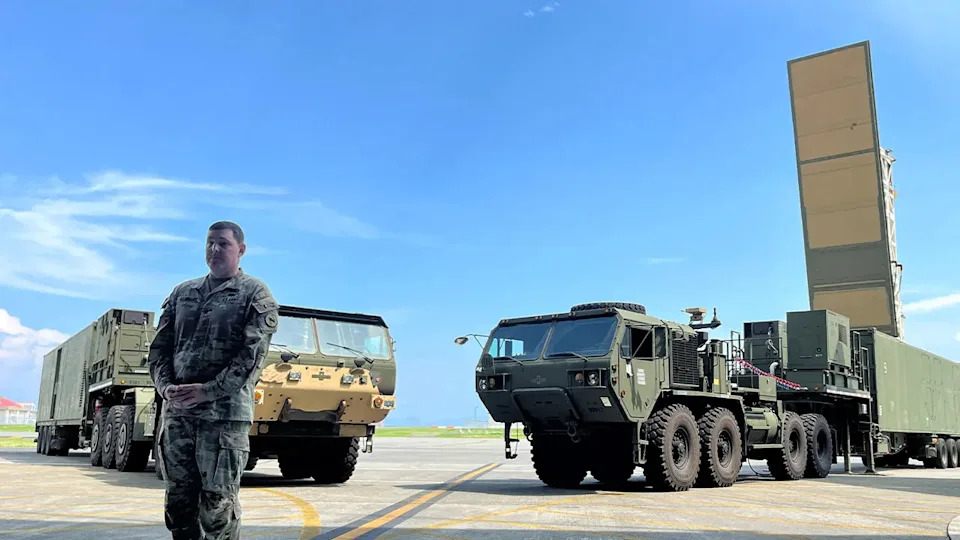
The U.S. is preparing to expand the deployment of advanced missile systems in the northern Philippines.(Reuters)
Regional Reactions
Beijing has repeatedly urged Manila to remove U.S. systems, calling the deployments irresponsible and likely to escalate tensions. Chinese embassy spokesperson Liu Pengyu said, "The introduction of strategic and offensive weapons that heighten regional tensions, fuel geopolitical confrontation, and risk triggering an arms race is extremely dangerous." Beijing also said the U.S. has no standing to intervene in maritime disputes between China and the Philippines and warned that actions perceived as crossing "red lines" on Taiwan will be met with countermeasures.
Philippine officials, including Ambassador to Washington Jose Manuel Romualdez, emphasized the deployments are meant to deter aggression and noted Manila may seek to procure upgraded systems in the future. "It's purely for deterrence," Romualdez told reporters, saying the presence of these systems strengthens the Philippines' defense posture.
Context And Background
The expanded rotations build on deeper U.S.-Philippine defense cooperation under the Enhanced Defense Cooperation Agreement, which broadened U.S. access to Philippine bases, including sites in northern Luzon nearer to Taiwan. The move also fits a broader U.S. strategy to strengthen posture along the so-called "first island chain," a string of territories from Japan through Taiwan and the Philippines that forms a geographic barrier to expanded Chinese naval power.
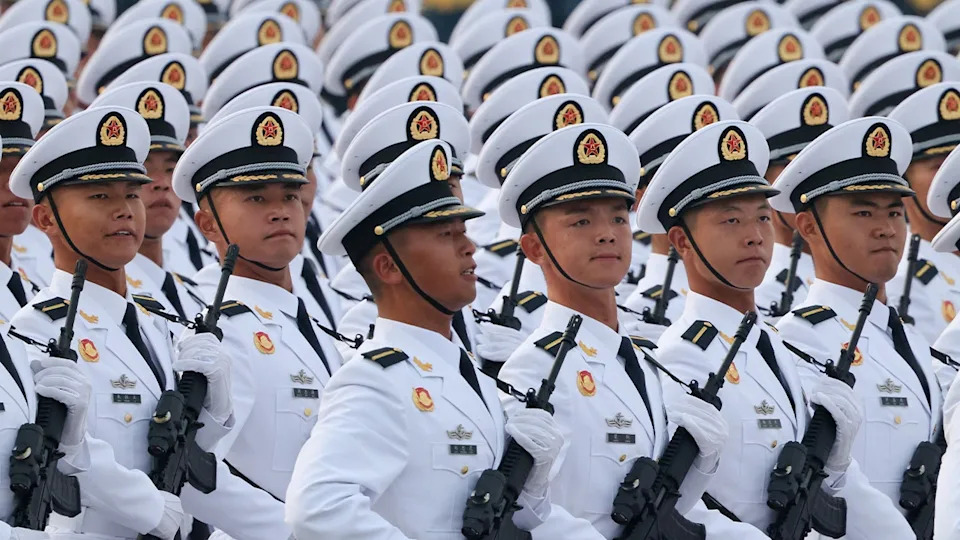
Members of the Chinese People's Liberation Army (PLA) Navy march during the rehearsal ahead of a military parade to mark the 80th anniversary of the end of World War Two, in Beijing, Sept. 3, 2025.
China claims nearly the entire South China Sea despite a 2016 international tribunal ruling that rejected many of Beijing's claims. In recent years, Chinese coast guard and maritime militia vessels have clashed with Philippine ships near disputed features such as Second Thomas Shoal. Washington and Manila have jointly condemned what they describe as China’s "illegal, coercive, aggressive and deceptive activities" in the South China Sea and reaffirmed support for freedom of navigation and unimpeded commerce.
Operational Considerations
U.S. planners view dispersed, mobile land-based missile systems as a way to complicate Beijing's operational calculus: ground batteries can be harder to detect and target than shipborne or airborne platforms and can credibly threaten naval and air assets. For China, the deployments reinforce concerns that the United States seeks to limit Beijing's regional influence by strengthening allied defenses across key maritime approaches.
What Comes Next
Neither Washington nor Manila disclosed the number of additional rotations or whether deployments will become permanent. The evolving security dynamic will hinge on diplomatic engagement, bilateral defense planning, and how Beijing, Manila and Washington manage incidents at sea and around Taiwan. As regional tensions evolve, the positioning of long-range systems in the Philippines highlights how geography and allied cooperation are shaping deterrence and strategic competition in the Indo-Pacific.
Help us improve.





















