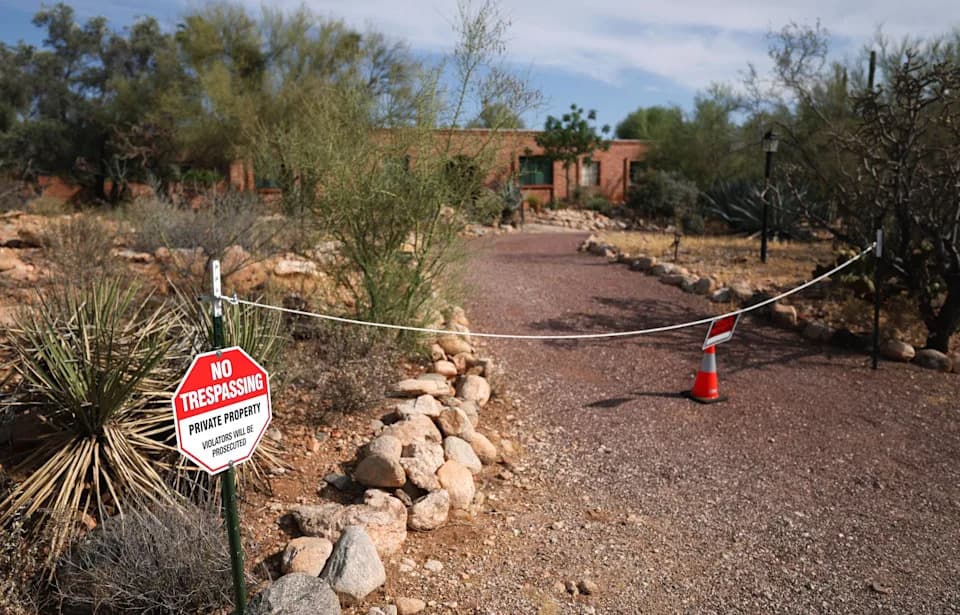
The FBI confirmed it is using investigative genetic genealogy (IGG) to analyze DNA recovered from a glove found about two miles from Nancy Guthrie's home and other samples taken inside her house after no CODIS matches were found. IGG searches for familial DNA matches and builds family trees to generate investigative leads. The method has helped solve prominent cases — including the University of Idaho killings, the Golden State Killer and the Bear Brook 'Allenstown Four' identification — but it also raises ongoing privacy and legal debates.
FBI Uses Genetic Genealogy in Nancy Guthrie Investigation — How IGG Solved Major Cold Cases

Savannah Guthrie and her mother, Nancy Guthrie, are pictured together in 2023.(Getty Images)
The FBI has confirmed it is using investigative genetic genealogy (IGG) to analyze DNA recovered from a glove found about two miles from Nancy Guthrie's home, as well as other biological samples collected inside her residence. Authorities turned to IGG after those samples returned no match in CODIS, the national law enforcement DNA database.
What Is Investigative Genetic Genealogy?
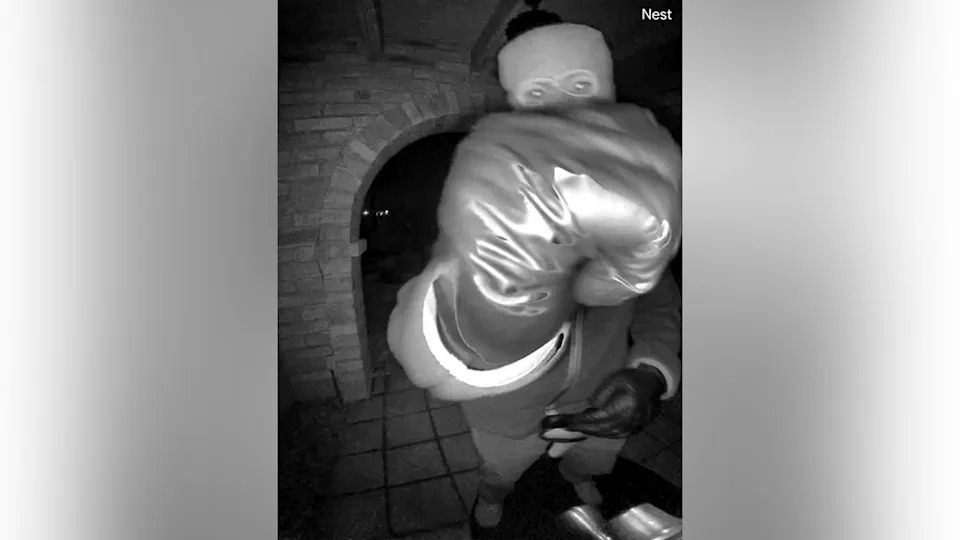
This image released by the FBI show an armed individual appearing to have tampered with the camera at Nancy Guthrie's front door the morning of her disappearance in Tucson, Arizona, Sunday, February 1, 2026.
The International Society of Genetic Genealogy defines IGG as 'the science of using genetic and genealogical methods to generate leads for law enforcement entities investigating crimes and identifying human remains.' Investigators upload a DNA profile to permitted public genealogy databases or work with specialized labs and services to find familial matches, build family trees and narrow potential suspects through traditional investigative work.
How the Method Works
IGG typically begins with a DNA sample that does not match CODIS entries. Investigators then look for partial or distant familial matches in public or approved databases, trace those matches back through genealogical records, and identify common ancestors. From those trees, they focus on branches containing individuals of the appropriate sex, age and geographic ties — then apply conventional police techniques to confirm a suspect.

Bryan Kohberger appears at the Ada County Courthouse for his sentencing hearing, Wednesday, July 23, 2025, in Boise, Idaho, for brutally stabbing four University of Idaho students to death.
Notable Cases Where IGG Helped Break Through
University of Idaho Murders (2022)
DNA recovered from a Ka-Bar knife sheath did not match CODIS, so authorities worked with forensic laboratory Othram to create a profile that eventually led to Bryan Kohberger. Items taken from trash at a family residence helped investigators confirm his link to the crime. Kohberger was arrested in December 2022 and later pleaded guilty to the murders.
Golden State Killer
IGG produced a profile that matched online genealogy records and pointed investigators toward relatives of Joseph James DeAngelo. That work narrowed the field to a small group of men, which ultimately led to DeAngelo's arrest in 2018 and his 2020 guilty plea to multiple murders and rapes.
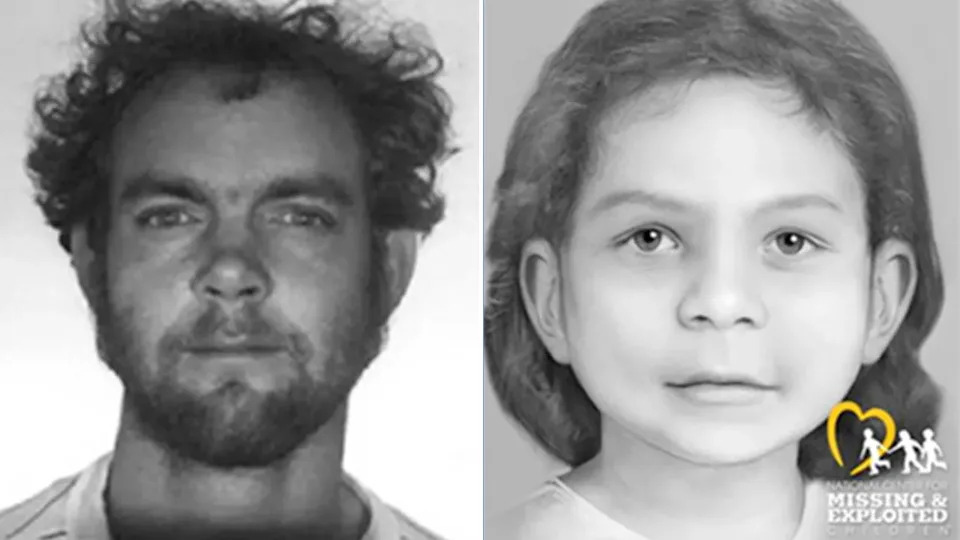
Genetic genealogy technology revealed Terry Rasmussen was the father of an unidentified girl found stuffed inside a barrel near New Hampshire's Bear Brook State Park in 2000. The girl was later identified as Rea Rassmussen.
Bear Brook / Allenstown Four Identification
In a decades-old cold case involving bodies found in barrels near Bear Brook State Park, investigators partnered with the DNA Doe Project and used IGG to identify the final previously unnamed child as Rea Rassmussen. The work traced the child's maternal line to a woman named Pepper Reed and used DNA from a living relative to confirm the identification.
Cook–Van Cuylenborg Case (1987)
Police uploaded crime-scene DNA to the public genealogy site GEDmatch; investigators identified two second cousins of William Talbott II, constructed a family tree and then obtained Talbott's DNA from a discarded coffee cup to confirm the match. Talbott was later convicted, in the first trial to rely heavily on IGG evidence.
Policy, Privacy and Practical Limits
IGG has proven powerful but also raised legal and ethical questions about privacy, consent and the scope of permissible database searches. CODIS contains profiles from individuals previously processed by law enforcement, while IGG may use public or opt-in genealogy databases that include people who never anticipated policing uses of their data. Policies vary by database and jurisdiction; many agencies follow strict rules about which databases they may consult and how results are handled.
Investigators hope the same techniques that solved other high-profile cases will provide leads in the Nancy Guthrie inquiry. As the probe continues, officials must balance investigative value with privacy concerns while pursuing follow-up leads generated by genealogical research.
Fox News Digital's Michael Ruiz contributed to this report.
Help us improve.