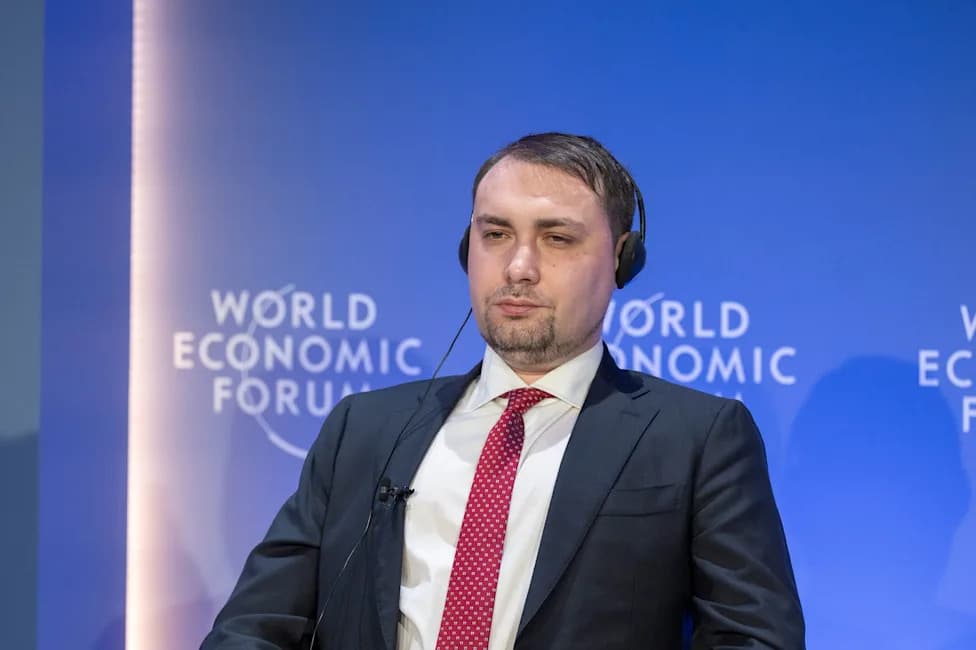
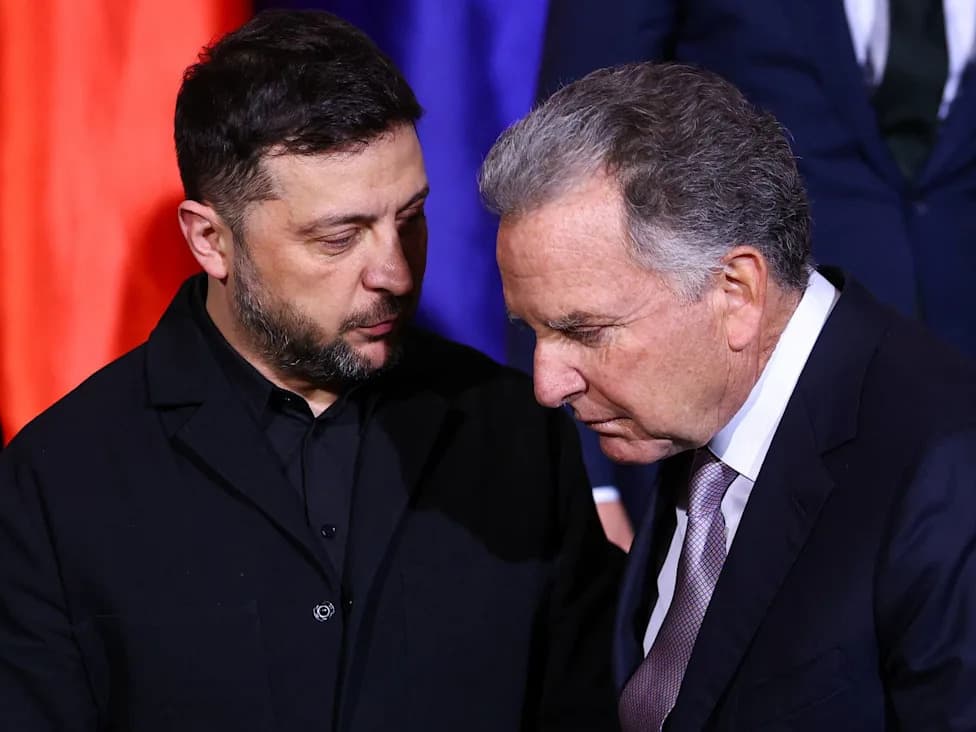
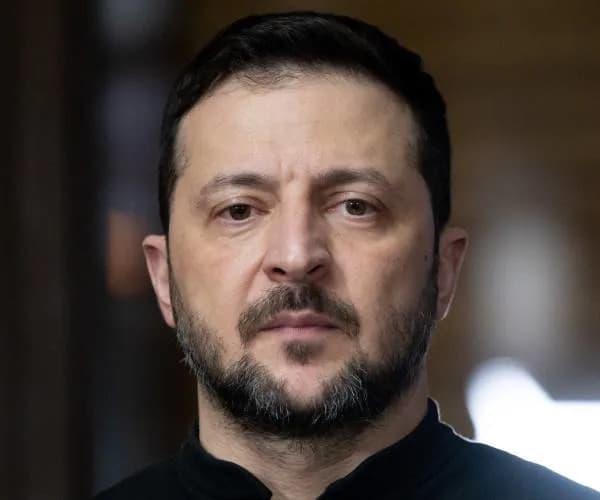
U.S.-mediated peace talks between Ukraine and Russia in Geneva ended after a two-hour final session, with President Zelenskiy describing the negotiations as "difficult" and accusing Russia of deliberately stalling. Kyiv said the second day was "intensive and substantive," while Russia indicated more talks would be held soon. The talks followed earlier U.S.-brokered rounds and took place amid public pressure from the United States and market jitters, with Ukrainian bonds sliding on reports of limited progress.
Geneva Peace Talks Stall After Two-Hour Session — Zelenskiy Accuses Russia Of Deliberate Delay
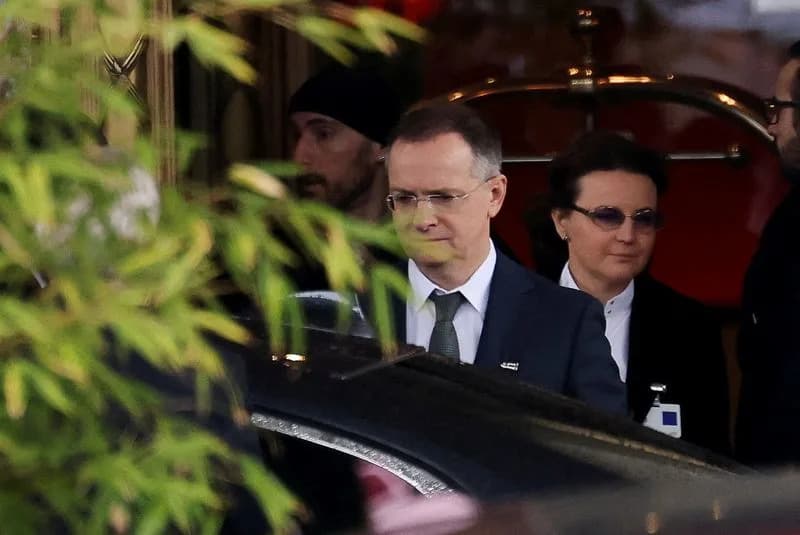
Kremlin aide Vladimir Medinsky walks out of the InterContinental hotel after the U.S.-mediated peace talks between Russia and Ukraine ended in Geneva, Switzerland, February 18, 2026. REUTERS/Pierre Albouy
Peace negotiations between Ukraine and Russia in Geneva concluded on Wednesday after a brief, two-hour final session, with President Volodymyr Zelenskiy calling the talks "difficult" and accusing Moscow of deliberately slowing progress toward a settlement to end the four-year war.
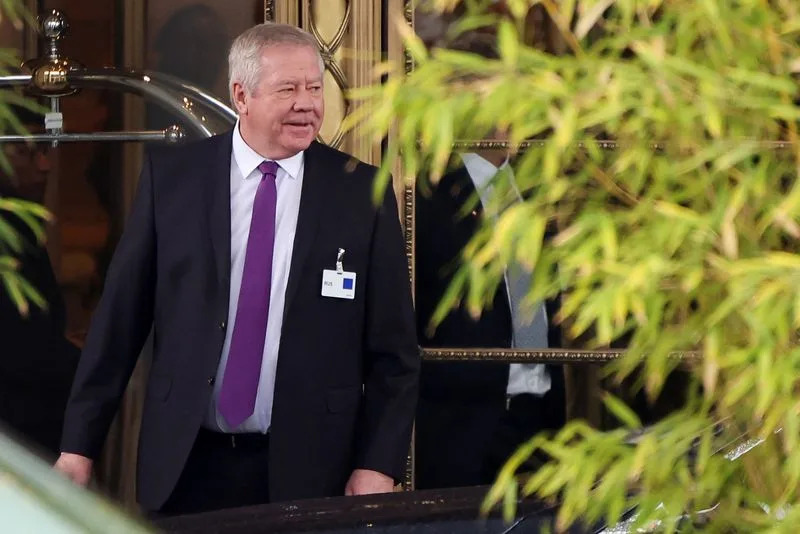
Gennady Gatilov, Russian Representative to the UN Office in Geneva, leaves the InterContinental hotel after the U.S.-mediated peace talks between Russia and Ukraine ended, in Geneva, Switzerland, February 18, 2026. REUTERS/Pierre Albouy
The U.S.-mediated discussions in Switzerland took place over two days. Kyiv said the second day was "intensive and substantive," while Russia signalled further talks would be held soon but gave no date. The meeting followed two earlier U.S.-brokered rounds in Abu Dhabi that also produced limited progress.
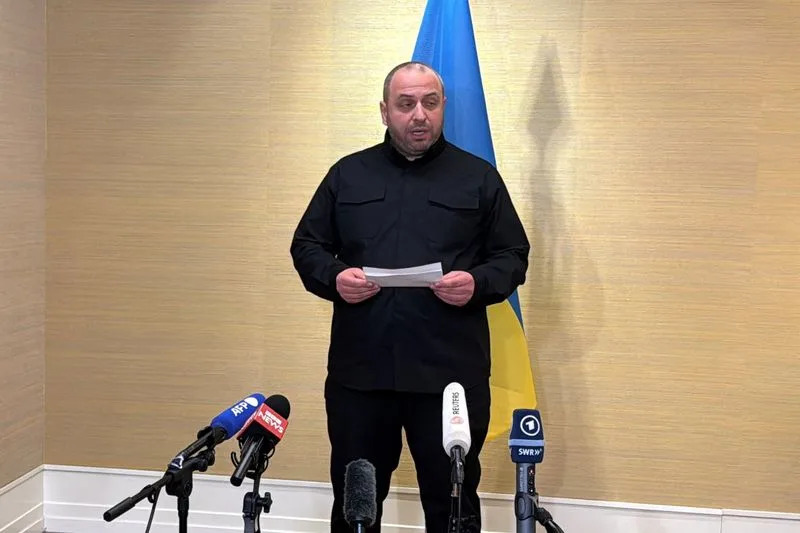
Secretary of the National Security and Defence Council of Ukraine Rustem Umerov speaks to members of the media after a meeting on the second day of the third round of trilateral talks between Ukraine, Russia and the U.S., amid Russia's attack on Ukraine, in Geneva, Switzerland, February 18, 2026. Picture taken with a mobile phone. REUTERS/Cecile Mantovani
Positions Remain Far Apart
Speaking to reporters via a WhatsApp chat shortly after the session ended, Zelenskiy said:
"We can see that progress has been made, but for now, positions differ because the negotiations were difficult."Kyiv's chief negotiator, Rustem Umerov, said both sides were working toward decisions that could be sent to their presidents. Russia's lead negotiator, former culture minister Vladimir Medinsky, told reporters additional talks would take place soon but did not give a date.
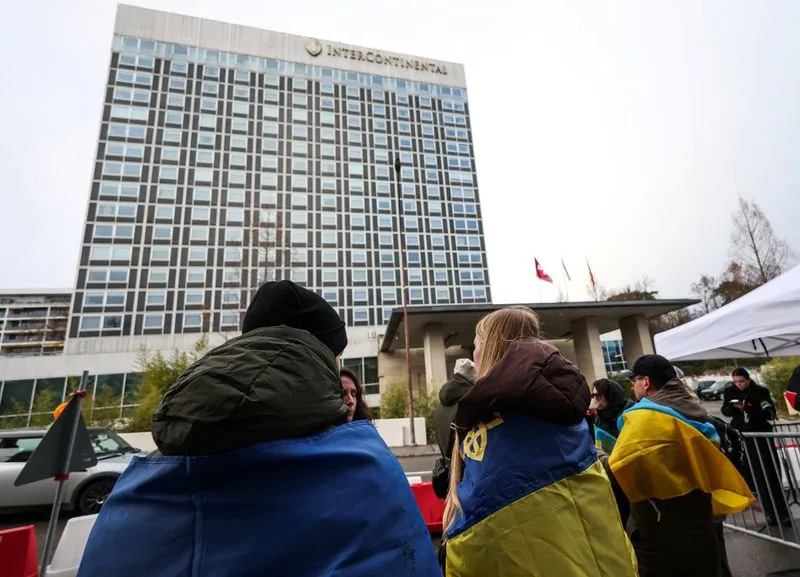
People wrapped in Ukrainian flags stand outside the InterContinental hotel, on the day of U.S.-mediated peace talks between Russia and Ukraine in Geneva, Switzerland, February 17, 2026. REUTERS/Pierre Albouy
Accusations Of Delay And Bad Faith
Ukrainian officials have repeatedly accused Moscow of negotiating in bad faith while continuing military pressure, including a winter bombing campaign that targeted Ukraine's energy infrastructure. Zelenskiy publicly accused Russia of "trying to drag out negotiations that could already have reached the final stage." Russia, for its part, denies deliberately targeting civilians.
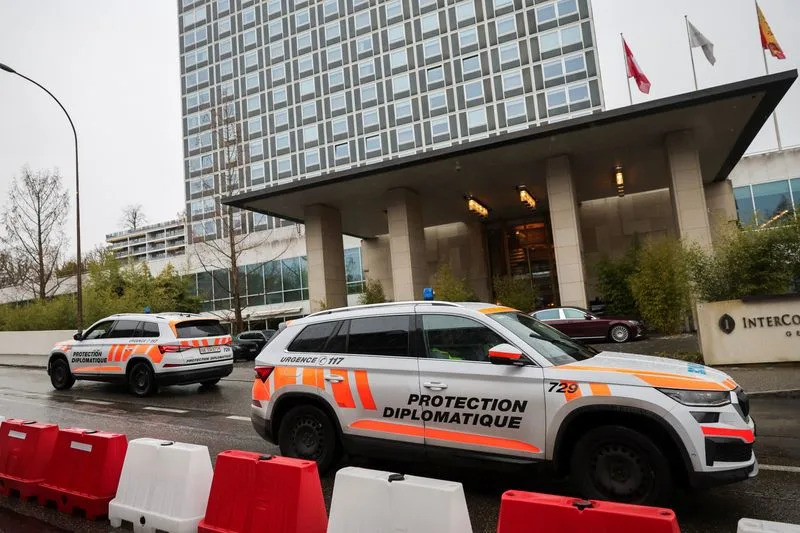
Cars belonging to security officials protecting the diplomats ply outside the InterContinental hotel as the U.S.-mediated peace talks between Russia and Ukraine continue in Geneva, Switzerland, February 18, 2026. REUTERS/Pierre Albouy
International Pressure And Market Reaction
The Geneva talks occurred amid public pressure from the United States. In an Axios interview published Tuesday, Zelenskiy said it was "not fair" that U.S. President Donald Trump repeatedly urged Ukraine — rather than Russia — to make concessions. Trump had said: "Ukraine better come to the table fast. That's all I'm telling you." Zelenskiy warned any plan requiring Ukraine to cede territory Moscow has not captured in the eastern Donbas would be rejected by Ukrainians if put to a referendum.
Markets reacted to reports of stalled progress: Ukrainian government bonds fell by as much as 1.9 cents on the dollar in European morning trade.
Context And Next Steps
The Geneva meetings took place days before the fourth anniversary of Russia's 2022 full-scale invasion. The conflict has caused massive human and material losses — hundreds of thousands killed or wounded, millions displaced, and many cities and towns devastated. Moscow currently occupies roughly 20% of Ukraine's internationally recognised territory, including Crimea and parts of the Donbas region seized before the wider 2022 invasion.
While negotiators described parts of the talks as substantive, the lack of a breakthrough and accusations of deliberate delay mean the path to a durable ceasefire and political settlement remains uncertain. Both sides indicated talks would continue, but concrete timelines and outcomes are not yet clear.
Help us improve.