
Iran briefly partially closed the Strait of Hormuz on Tuesday while holding nuclear talks with the United States in Geneva. The shutdown, caused by Iranian military drills, was the first such disruption since President Donald Trump threatened strikes in January. Negotiators reported progress that eased oil prices, though no breakthrough was reached. Analysts say a full closure remains unlikely but keep markets on alert.
Iran Partially Closes Strait of Hormuz During Geneva Nuclear Talks; Oil Prices Ease
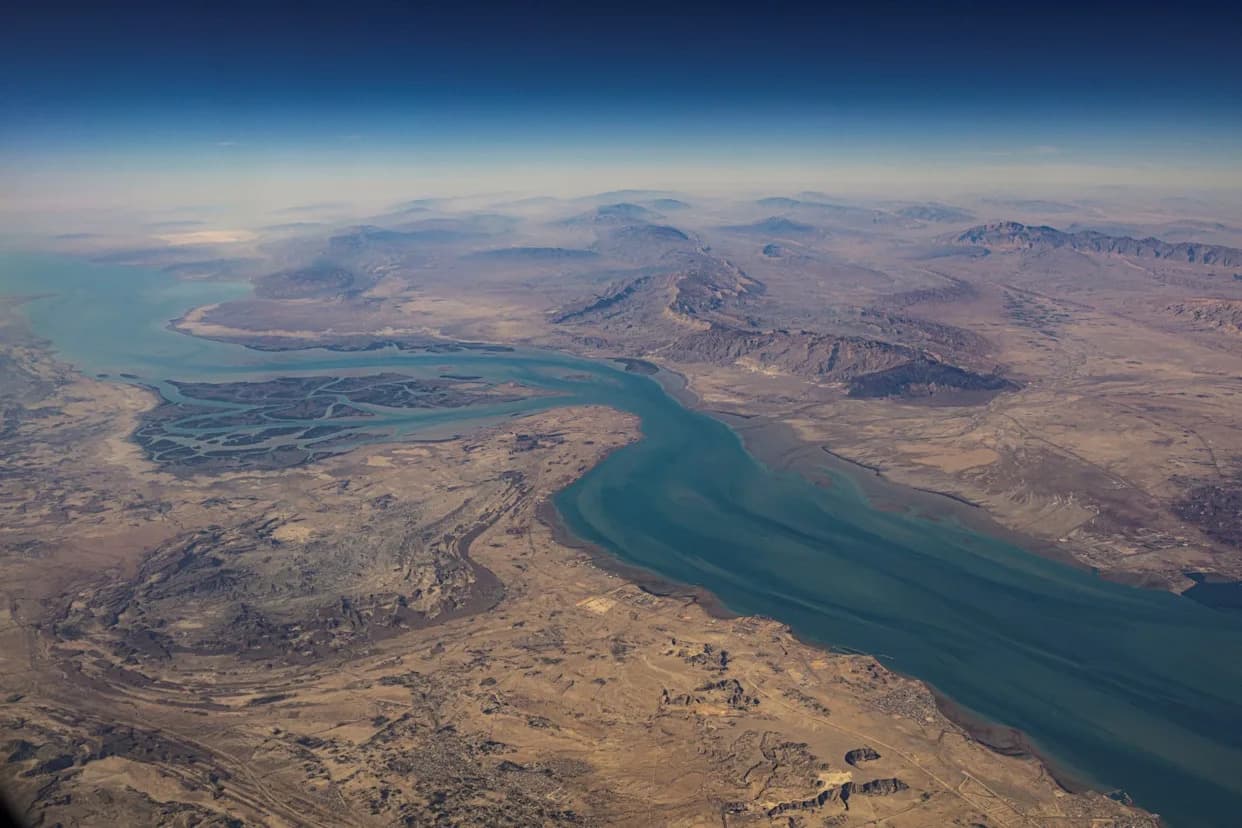
Iran on Tuesday partially closed the Strait of Hormuz — a strategic chokepoint for global oil shipments — while holding another round of nuclear talks with the United States in Geneva. The temporary shutdown occurred as Tehran conducted military drills in the waterway and marked the first disruption since US President Donald Trump threatened strikes against Iran in January.
Negotiations and Market Reaction
Officials on both sides said the Geneva talks produced some progress, which helped ease oil-market tensions, but they reported no decisive breakthrough. Brent crude, which fell sharply in 2025, has rebounded and is up nearly 13% year to date, driven by heightened geopolitical risk and concerns about possible wider conflict.
Why the Strait Matters
The Strait of Hormuz is one of the world's most important maritime chokepoints: roughly one-fifth of globally traded oil passes through the route. A full closure would cause major disruption to global energy markets, but analysts caution that a complete shutdown remains unlikely.
OilPrice.com described a total closure as the “mother of all disruptions,” but said such a scenario remains low probability.
While the partial closure and drills underscore the fragility of regional stability, experts say markets are watching the talks in Geneva closely for signs that diplomatic engagement can reduce the risk of military escalation.
Help us improve.





















