After US forces captured Nicolás Maduro on January 3, Delcy Rodríguez became acting president and quickly opened channels with the United States and European firms. Chevron-run fields have resumed significant production and at least seven tankers have left for the US, with Washington brokering large-scale sales that are beginning to ease inflation. Small student protests and softer repression point to a tentative political opening, but hundreds of political prisoners remain and major institutional reforms are still required. The shift is real but fragile — progress will be incremental.
After Maduro’s Capture, Venezuela Feels Unfamiliar — Oil Revenues Flow and Diplomacy Thaws, but Politics Remain Fragile
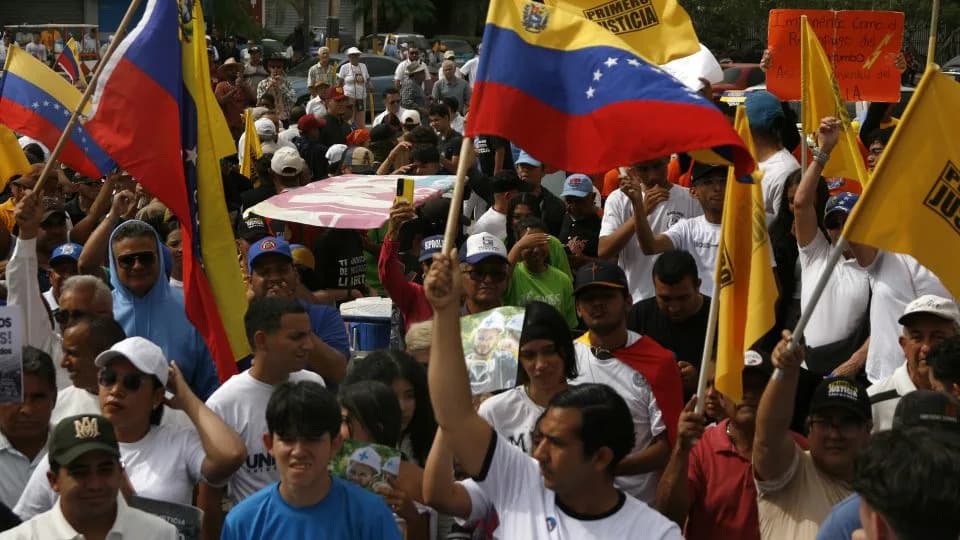
University students and members of civil society take part in a nationwide march for "Youth Day" on February 12 in the city of Maracaibo, Venezuela. - Humberto Matheus/Sipa USA/AP
It has been fewer than two months since US special forces captured Venezuela’s long-time leader, Nicolás Maduro, during a night raid in Caracas. The country already feels markedly different: a cautious optimism has returned to the streets, even as the work of rebuilding a shattered economy and fractured politics is only beginning.
A Sudden Shift
I moved to Caracas in 2016 and covered Venezuela through its worst years: mass emigration, hyperinflation, soaring violence and repeated street crackdowns. Through it all, Maduro remained in power. As I reported during the tumult of 2019, the country often felt trapped by a familiar paradox — changes were enacted, but the person at the top did not change.
'Everything must change for everything to remain the same.'
That image faded on January 3, when US forces seized Maduro and transported him to New York to face narco-trafficking charges he denies. In his absence, his former deputy, Delcy Rodríguez, became acting president and has moved quickly to reorient Venezuela’s geopolitical and economic posture.
Oil Returns To Center Stage
One of the most striking signs of change came at a remote Chevron-run oil field known as Petroindependencia 1. I joined a small group of international reporters who accompanied Rodríguez as she hosted US Secretary of Energy Chris Wright. The tone was unexpectedly collaborative: the two leaders rode together with minimal staff, traded technical details about field operations and signaled a willingness to rebuild commercial ties.
Chevron says the site currently produces roughly 40,000 barrels per day, though its potential capacity is about seven times that level. Data reviewed by CNN shows that, since Rodríguez assumed power, at least seven tankers have departed the port we visited bound for Texas and Louisiana. According to the White House, Washington is brokering sales of hundreds of millions of barrels — revenues that are beginning to circulate in the economy and help ease inflationary pressures.
Political Opening — Cautious and Partial
The newfound economic activity has coincided with small, tentative political openings. Student-led protests demanding the release of political prisoners took place in Caracas and other cities; these gatherings were far smaller than past mass movements, but they suggest the security apparatus may no longer inspire the same level of blanket fear.
Hundreds of political prisoners remain behind bars, human rights groups say. Opposition leader María Corina Machado remains largely on the sidelines and has called on international partners — notably the US — to press for a transition only after certain guarantees are secured.
Local activists emphasize that material preconditions must be met before a credible electoral transition: return of exiles, release of political prisoners, legal guarantees for parties and an overhaul of electoral authorities. Diplomats I spoke to urged patience — a common refrain was: 'No haste, but not hesitation.'
What This Means And What Comes Next
The most tangible changes so far have been economic and diplomatic: Western oil companies are operating again, and high-level US visits have resumed. Yet the Maduro-aligned political apparatus remains in place even as key figures are detained abroad. The transition ahead will be incremental and fraught, balancing the need to revive an economy with the demand for genuine political reform.
For now, Caracas feels different: cheaper, more active and cautiously hopeful. But beneath that optimism lie deep structural problems — from infrastructure and institutions to justice and accountability — that will take years and careful diplomacy to resolve.
Readership note: This report is based on on-the-ground reporting in Caracas and data available at the time of publication. The situation remains fluid and subject to rapid change.
Help us improve.